
Tag: Gobind Fertility & IVF centre

  • Endometriosis and Fertility: Can You Get Pregnant?
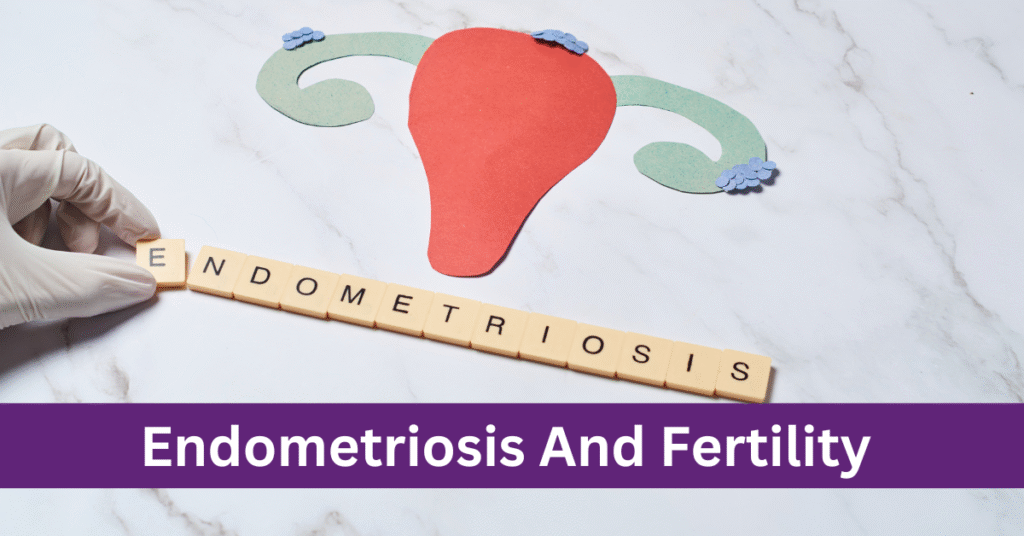
    Endometriosis and Fertility: Can You Get Pregnant?

    Endometriosis is a common yet often misunderstood condition that affects millions of women worldwide. One of the biggest concerns for women with endometriosis is fertility—can you still get pregnant? The answer isn’t straightforward, but with the right medical guidance and treatments, many women with endometriosis can conceive.  

    At Gobind Fertility & IVF Centre, we specialise in helping women with endometriosis achieve their dream of parenthood. In this article, we’ll explore the relationship between endometriosis and fertility, treatment options, and how assisted reproductive technologies like IVF can help.  

    Endometriosis occurs when tissue similar to the uterine lining (endometrium) grows outside the uterus, often on the ovaries, fallopian tubes, and pelvic lining. This tissue behaves like normal endometrial tissue—thickening, breaking down, and bleeding with each menstrual cycle—but because it has no way to exit the body, it causes inflammation, scarring, and pain.  

    1. Scarring and Adhesions – Endometriosis can cause scar tissue (adhesions) that may distort pelvic anatomy, blocking fallopian tubes or preventing the ovaries from releasing eggs properly.  

    2. Ovarian Cysts (Endometriomas) – Endometriomas, or “chocolate cysts,” can damage ovarian tissue, reducing egg quality and quantity.  

    3. Inflammation – Chronic inflammation in the pelvic cavity can create a hostile environment for eggs, sperm, and embryos.  

    4. Hormonal Imbalances– Endometriosis may interfere with ovulation and hormone regulation, making conception more difficult.  

    Despite these challenges, many women with endometriosis can still conceive, especially with early intervention and specialized fertility treatments.  

    Yes, some women with mild endometriosis can conceive naturally. However, moderate to severe endometriosis often requires medical assistance. Factors that influence natural conception include:  

    -Stage of Endometriosis (Minimal vs. Severe)  

    Age and Ovarian Reserve  

    Presence of Blocked Fallopian Tubes 

    Overall Reproductive Health 

    If you’ve been trying to conceive for 6-12 months without success, it’s advisable to consult a fertility specialist like those at Gobind Fertility & IVF Centre for a personalised evaluation.  

    A minimally invasive procedure to remove endometrial implants, scar tissue, and cysts can improve fertility. Studies show that **women with moderate endometriosis have higher pregnancy rates after surgery

    For mild endometriosis, fertility medications (like Clomid or Letrozole) combined with IUI can enhance conception chances by ensuring proper ovulation and sperm delivery.  

    IVF is the most effective treatment for women with severe endometriosis. It bypasses fallopian tube issues and allows for embryo selection before implantation. At Gobind Fertility & IVF Centre, our success rates with IVF for endometriosis patients are highly encouraging.  

    Women diagnosed with endometriosis at a young age may consider egg freezing to preserve fertility before the condition progresses.  

    Natural Conception: Possible in mild cases.  

    After Surgery: 30-50% success rate within a year.  

    IVF Success Rates: Vary but can be 40-60% per cycle, depending on age and ovarian reserve.  

    At Gobind Fertility & IVF Centre, we tailor treatment plans to maximise success, utilising advanced techniques such as blastocyst culture, PGT (Preimplantation Genetic Testing), and personalised hormone protocols.  

    1. Early Diagnosis & Treatment– The sooner endometriosis is managed, the better the fertility outcomes.  

    2. Healthy Lifestyle– Maintain a balanced diet, exercise, and reduce stress.  

    3. Consult a Specialist – A fertility doctor can recommend the best approach based on your condition.  

    Expertise in Endometriosis & Fertility – Our specialists have extensive experience in treating endometriosis-related infertility.  

    Advanced IVF Technology– We use cutting-edge techniques to improve pregnancy success.  

    Personalised Care– Every patient receives a customised treatment plan.  

    High Success Rates– Proven results in helping women with endometriosis conceive.  

    While endometriosis can make conception challenging, pregnancy is possible with the right medical support. If you’re struggling with infertility due to endometriosis, schedule a consultation at Gobind Fertility & IVF Centre to explore your options.  

    Don’t let endometriosis stop your dreams of motherhood—take the first step today!  

  • Why IVF Fails: Understanding the Common Reasons
    Why IVF Fails: Understanding the Common Reasons

    In vitro fertilisation (IVF) is a ray of hope for couples struggling with infertility. It offers a scientific and highly effective way to achieve pregnancy, especially when other methods fail. However, despite technological advancements, IVF does not guarantee success. Many couples are devastated when their IVF cycle doesn’t result in a pregnancy, especially when everything appears to be going well.

    At Gobind Fertility & IVF Centre, we believe in transparent communication, scientific diagnosis, and emotional support throughout your fertility journey. In this article, we’ll uncover the most common reasons why IVF fails, what factors influence success, and how you can improve your chances in future cycles.

    IVF, or In-Vitro Fertilisation, is an assisted reproductive technology (ART) where eggs are retrieved from the ovaries, fertilised with sperm in a laboratory, and the resulting embryo is transferred into the uterus.

    The goal is simple: a successful implantation leading to a healthy pregnancy. But the process involves several complex stages, and any problem in these steps can cause the IVF cycle to fail.

    Even with normal ovarian reserve, the quality of eggs plays a crucial role in embryo development. Poor egg quality may lead to:

    • Failed fertilization
    • Genetically abnormal embryos
    • Implantation failure
    • Early miscarriage

    Egg quality naturally declines with age, but in some women, even younger ones, poor egg quality can exist due to genetics or hormonal issues.

    Sperm count, motility, and morphology are commonly tested before IVF. However, sperm DNA fragmentation—often not visible in standard semen analysis—can also hinder embryo development.

    Not all embryos are capable of implantation. A healthy-looking embryo may still have chromosomal abnormalities that prevent it from attaching to the uterine lining.

    • Day 3 or Day 5 embryos may look normal under the microscope, but fail to grow further
    • Embryos with genetic defects may lead to implantation failure or miscarriage

    Preimplantation Genetic Testing (PGT) can help identify genetically normal embryos for transfer.

    Implantation is a complex process that requires perfect coordination between a healthy embryo and a receptive endometrium (uterine lining). Even a top-quality embryo can fail to implant due to:

    • Thin endometrial lining
    • Infections in the uterus
    • Unexplained uterine inflammation
    • Immune-related disorders

    Age is one of the most significant predictors of IVF success. Women over 35 may have:

    • Fewer antral follicles
    • Lower AMH levels
    • Higher chance of chromosomal abnormalities in eggs

    At Gobind Fertility & IVF Centre, we use ovarian reserve testing and personalised stimulation protocols to optimise outcomes in advanced maternal age.

    Sometimes, IVF failure is due to problems in the uterus that prevent embryo implantation or growth, such as:

    • Uterine fibroids or polyps
    • Scar tissue (Asherman’s syndrome)
    • Congenital abnormalities (septate uterus)

    Certain lifestyle habits can negatively impact IVF success, including:

    • Smoking and alcohol consumption
    • Obesity or being underweight
    • High stress levels
    • Lack of proper nutrition

    At Gobind Fertility, we emphasise pre-IVF counselling, lifestyle modification, and dietary guidance.

    IVF requires a controlled hormonal environment. If hormone levels are not optimal during ovulation stimulation or the luteal phase, IVF may not succeed.

    Common hormone-related issues include:

    • Elevated prolactin levels
    • Thyroid dysfunction
    • PCOS (Polycystic Ovary Syndrome)
    • Premature ovarian failure

    Although rare, some failures may be attributed to issues within the IVF laboratory, such as:

    • Inadequate fertilisation techniques
    • Faulty cultural conditions
    • Embryo mishandling
    • Inexperienced embryologists

    At Gobind Fertility & IVF Centre, we follow strict international lab protocols, use state-of-the-art technology, and employ experienced embryologists to ensure optimal outcomes.

    An unsuccessful IVF cycle can take a heavy emotional toll on couples. Feelings of grief, guilt, anxiety, and hopelessness are common. At Gobind Fertility, our in-house fertility counsellors offer psychological support to help couples navigate through these difficult times.

    A failed IVF cycle doesn’t mean the end of your journey. Here’s what you can do next:

    Review the Cycle in Detail
    A cycle review with your fertility doctor helps identify what went wrong.

    Advanced Testing
    Consider tests like ERA (Endometrial Receptivity Analysis), PGT, or sperm DNA fragmentation test.

    Consider Donor Options
    In cases of poor egg or sperm quality, donor gametes may offer better success.

    Modify Lifestyle and Nutrition
    Adopt a fertility-friendly lifestyle to enhance your body’s response in the next cycle.

    Stay Positive and Informed
    Success may require more than one cycle. Stay informed, committed, and emotionally strong.

    At Gobind Fertility & IVF Centre, we are committed to helping every couple build their family with compassion and cutting-edge care. Here’s why patients trust us:

    • High IVF success rates
    • Personalised treatment protocols
    • Advanced lab and diagnostic tools
    • 24×7 patient support and counselling
    • Affordable IVF packages in Hisar and the Haryana region

    While IVF failure is heartbreaking, it is not the end of the road. Understanding the reasons behind failed IVF helps in making more informed and effective choices for the next cycle. With expert guidance, accurate diagnosis, and the right fertility clinic like Gobind Fertility & IVF Centre, many couples go on to achieve their dream of parenthood.

    If you’ve experienced an unsuccessful IVF cycle, don’t give up hope. Book your consultation today with our fertility experts and let us help you take the next confident step in your journey.

  • The Role of Exercise in Enhancing Fertility

    The Role of Exercise in Enhancing Fertility

    Role of Exercise in Fertility - guide by Gobind Fertility & IVF Centre

    How Staying Active Can Boost Your Chances of Conception

    Fertility is influenced by a complex interplay of hormones, lifestyle, environmental exposures, and genetics. While medical interventions like IVF and IUI are critical in many cases, an increasing number of fertility specialists now emphasise the importance of holistic lifestyle changes, especially regular physical activity. Exercise, when practised in moderation, has been shown to positively impact reproductive health in both men and women. At Gobind Fertility & IVF Centre, promoting evidence-based lifestyle practices, including exercise, is an integral part of patient care.

    Exercise is not just about physical appearance or weight loss. It plays a vital role in regulating hormonal function, improving blood circulation, reducing stress, and boosting metabolism—all of which contribute to a healthier reproductive system.

    For individuals struggling to conceive, incorporating regular physical activity can improve ovulation in women, enhance sperm quality in men, and even improve the success rates of fertility treatments like IVF. However, the type, intensity, and frequency of exercise matter greatly.

    1. Hormonal Balance and Ovulation

    Moderate physical activity helps regulate the endocrine system, which is responsible for hormone production. For women, this is especially critical, as conditions like Polycystic Ovary Syndrome (PCOS), thyroid disorders, and obesity can lead to irregular ovulation or anovulation (absence of ovulation). Studies show that moderate exercise can help restore regular menstrual cycles and ovulation in women with hormonal imbalances.

    1. Weight Management

    Body weight is a major factor in female fertility. Both underweight and overweight women may face difficulties conceiving. Excess body fat can lead to an overproduction of estrogen, which disrupts the menstrual cycle. On the other hand, being too lean may hinder ovulation due to insufficient fat reserves to produce adequate estrogen.

    Exercise aids in achieving and maintaining a healthy BMI, thereby increasing the likelihood of natural conception and reducing the need for medical intervention.

    1. Stress Reduction

    Infertility can be a stressful experience, and chronic stress can interfere with reproductive hormones such as GnRH (gonadotropin-releasing hormone), which plays a key role in the menstrual cycle and ovulation. Regular exercise is a natural stress reliever. Activities like yoga, swimming, and brisk walking release endorphins—natural mood elevators—that help reduce stress and anxiety.

    1. Improved Blood Flow

    Good circulation is crucial for the reproductive organs to function optimally. Cardiovascular exercise promotes healthy blood flow to the uterus and ovaries, supporting endometrial health and ovulatory function.

    1. Boosting Testosterone Levels

    Exercise, especially strength training and high-intensity interval training (HIIT), has been linked to higher testosterone levels in men. Testosterone plays a key role in sperm production and sexual function. However, balance is key—overtraining or intense endurance sports may suppress testosterone and harm fertility.

    1. Improving Sperm Quality

    Men who engage in moderate physical activity tend to have higher sperm concentration, motility, and morphology—all critical factors for successful fertilisation. Obesity and sedentary lifestyles, in contrast, are associated with poor semen parameters and reduced reproductive potential.

    1. Reducing Oxidative Stress

    Excessive free radicals in the body can damage sperm DNA. Regular, moderate exercise helps enhance the body’s antioxidant defences, reducing oxidative stress and improving overall sperm health.

    While exercise is beneficial, too much of it can backfire. Women who engage in intense physical training, such as marathon running, high-impact aerobics, or multiple hours of daily gym sessions, may experience disrupted menstrual cycles or even amenorrhea (absence of menstruation).

    Likewise, men who overtrain or use anabolic steroids for bodybuilding may experience reduced sperm counts or testicular shrinkage. The goal should be moderation and consistency.

    • Moderate aerobic activity: 150 minutes per week (e.g., brisk walking, cycling, dancing)
    • Strength training: 2–3 times per week
    • Stretching and mindfulness: Incorporate yoga or stretching for relaxation and improved flexibility

    At Gobind Fertility & IVF Centre, fertility specialists work closely with patients to customise lifestyle and fitness plans that align with their fertility goals.

    If you’re undergoing treatments like IVF or IUI, it’s essential to adapt your exercise routine to support, not hinder, the process. Mild to moderate activities are generally safe, but strenuous exercise can sometimes negatively impact ovarian stimulation or embryo implantation.

    Patients are encouraged to:

    • Engage in low-impact exercises such as walking, prenatal yoga, or light Pilates
    • Avoid activities that involve bouncing, twisting, or jarring motions
    • Stay hydrated and avoid overheating
    • Listen to their body and rest when needed

    Before starting any new exercise regimen, it’s always advisable to consult your fertility specialist. At Gobind Fertility & IVF Centre, the team provides tailored recommendations that consider your medical history, current treatment plan, and physical capacity.

    Recognising that fertility is not only a medical journey but also a lifestyle one, Gobind Fertility & IVF Centre adopts a comprehensive, patient-centred approach. This includes:

    • Personalised consultations on weight management and fitness
    • Integrated stress-reduction programs
    • Nutritional counselling to complement exercise efforts
    • Regular monitoring of hormonal and reproductive parameters

    Patients benefit from a multidisciplinary team that understands the crucial role exercise and wellness play in optimising fertility outcomes.

    Exercise is a powerful, natural tool in enhancing fertility for both men and women. It regulates hormones, improves reproductive organ function, boosts mental health, and supports overall well-being. But like all things, balance is crucial. Overexertion can have the opposite effect, so it’s essential to tailor physical activity according to individual needs and health conditions.

    If you’re trying to conceive, combining a sensible exercise routine with guidance from fertility experts can significantly improve your chances. At Gobind Fertility & IVF Centre, this holistic approach ensures that patients are not just medically treated but also empowered to make positive lifestyle changes that support their fertility journey.

    Whether you’re just starting to explore parenthood or are in the middle of fertility treatments, remember that even small steps, like a 30-minute walk a few times a week, can make a big difference. Fertility is not just about medicine; it’s about movement, mindset, and making healthier choices every day.

  • Emotional Recovery Tips After IVF Failure
    Emotional Recovery Tips After IVF Failure

    Emotional Recovery Tips After IVF Failure Given By Gobind Fertility & IVF Centre

    For couples struggling with infertility, IVF (In-Vitro Fertilisation) represents more than just a medical procedure—it’s a journey filled with hope, anticipation, and deep emotional investment. So when an IVF cycle fails, the disappointment can be devastating.

    Feelings of grief, sadness, frustration, and even guilt are common, and navigating through this emotional storm can be challenging. At Gobind Fertility & IVF Centre, we understand that recovery isn’t just about medical treatment—it’s also about healing the heart and mind.

    In this article, we have shared expert-backed emotional recovery tips after IVF failure, insights on how to support each other as a couple, and how to prepare for your next step with renewed strength.

    IVF failure affects more than just your fertility—it can shake your self-worth, identity, and emotional stability. This is especially true after weeks or months of hormone injections, appointments, financial investment, and mental preparation.

    Common emotions couples experience after IVF failure include:

    • Deep sadness or depression
    • Anger and frustration
    • Shock or denial
    • Shame or guilt
    • Anxiety about the future
    • Feelings of isolation

    The grief that comes with a failed IVF cycle is real and valid, and understanding this is the first step toward emotional healing.

    It’s okay to feel heartbroken after a failed IVF cycle. Don’t suppress your emotions—allow yourself to cry, talk, and grieve the loss of what you hoped would be.

    • Write your thoughts in a journal
    • Talk to a friend or family member
    • Take time off work if needed
    • Avoid self-judgment and comparisons

    Remember, healing begins with accepting and validating your emotions.

    After your emotions settle slightly, schedule a follow-up consultation with your fertility doctor. At Gobind Fertility & IVF Centre, we provide detailed cycle reviews to understand what might have gone wrong and what can be done differently next time.

    This process helps you:

    • Get closure from the failed cycle
    • Understand the medical reasons for failure
    • Build confidence for your next steps

    Knowledge brings clarity, and clarity brings peace of mind.

    IVF is a shared journey, and so is the grief that follows. Sometimes one partner may hide their feelings to stay strong for the other, but open communication is vital for healing together.

    • Share your feelings honestly
    • Listen without judgment
    • Avoid blame or resentment
    • Take time for non-fertility conversations and activities

    Emotional recovery after IVF can strengthen your bond when you support each other with patience and love.

    Professional support can be invaluable in navigating complex emotions. Fertility-related depression and anxiety are real, and getting help is not a sign of weakness.

    At Gobind Fertility & IVF Centre, we offer access to experienced fertility counsellors who understand the emotional toll of IVF treatments.

    Therapy can help you:

    • Process your emotions in a safe space
    • Develop coping strategies
    • Reduce anxiety and depression
    • Rebuild self-esteem and confidence

    Sometimes, talking to someone who’s been in your shoes can offer the greatest comfort. Online and offline fertility support groups can provide:

    • A sense of community
    • Shared experiences and success stories
    • Emotional encouragement
    • Practical tips and resources

    Knowing you’re not alone can bring immense relief and courage.

    During IVF, many couples place their lives on hold. After a failed cycle, it’s time to focus on yourself again.

    Consider activities like:

    • Gentle yoga or meditation
    • Walking in nature
    • Journaling or creative hobbies
    • Aromatherapy or spa sessions
    • Traveling to recharge emotionally

    Self-care is not selfish—it’s necessary for your healing and emotional well-being.

    After you’ve had time to process your emotions, sit down as a couple and decide on your next move.

    Options include:

    • Trying another IVF cycle
    • Exploring ICSI or donor options
    • Taking a break from fertility treatments
    • Considering adoption or surrogacy
    • Living a child-free life with intention

    Every couple’s journey is different. Choose the path that feels right for both of you, not what society expects.

    One failed IVF cycle doesn’t mean you’ll never conceive. Many couples succeed in their second or third attempt. IVF success depends on multiple factors, and advances in fertility treatments continue to improve outcomes.

    At Gobind Fertility & IVF Centre, we tailor every IVF plan based on your individual medical history, emotional state, and future goals.

    • Use the failed cycle as a learning experience
    • Stay optimistic but realistic
    • Believe in your body’s ability to try again

    We understand that IVF is not just a medical process—it’s an emotional rollercoaster. That’s why we offer:

    • Personalised emotional support
    • Access to certified counselors
    • Clear communication and empathy
    • A calm, patient-friendly environment
    • Success plans based on your unique journey

    Your emotional health is just as important as your physical health in your fertility journey.

    IVF failure is painful—but it’s not the end of your journey. Following Emotional Recovery Tips After IVF, such as a right support system, compassionate care, and emotional healing strategies, you can move forward with strength and hope.

    At Gobind Fertility & IVF Centre, we walk with you every step of the way—through your pain, through your healing, and toward your dreams of parenthood.If you’ve experienced an unsuccessful IVF cycle and need guidance, support, or just someone to talk to, book a consultation with our experts today. You’re not alone—we’re here for you.

  • Blocked Fallopian Tubes: Causes, Symptoms, and Treatments
    Blocked Fallopian Tubes: Causes, Symptoms, and Treatments

     An expert insight by Gobind Fertility & IVF Centre on Blocked Fallopian Tubes

    When it comes to female fertility, healthy fallopian tubes play a crucial role in ensuring a successful pregnancy. Unfortunately, blocked fallopian tubes are a common cause of infertility in women, often going undetected until a woman starts trying to conceive. At Gobind Fertility & IVF Centre, we frequently diagnose and treat patients struggling with tubal issues, helping them take the right steps toward parenthood.

    In this article, we explore everything you need to know about blocked fallopian tubes – including causes, symptoms, diagnosis, and treatment options – while highlighting how Gobind Fertility & IVF Centre offers world-class solutions for tubal infertility.

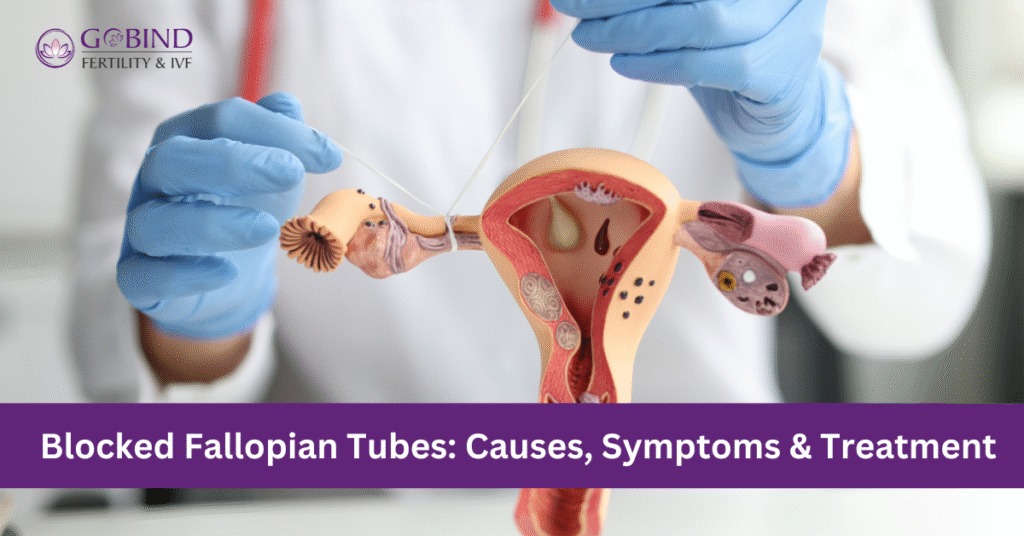
    Fallopian tubes are narrow, muscular tubes that connect the ovaries to the uterus. After ovulation, the egg travels through the fallopian tube, where fertilisation typically occurs if sperm is present. If the fallopian tubes are blocked or damaged, the egg cannot meet the sperm, resulting in difficulty getting pregnant.

    Blocked fallopian tubes can occur due to various reasons, often related to past infections, surgery, or medical conditions. Some of the most common causes include:

    One of the leading causes of blocked tubes, PID is an infection of the reproductive organs, often caused by sexually transmitted infections (STIs) like chlamydia or gonorrhea. It can lead to scarring and adhesions in the fallopian tubes.

    This condition causes the tissue that normally lines the uterus to grow outside it, including around the fallopian tubes. This can cause inflammation, scarring, and blockage.

    Surgeries involving the abdomen or pelvis, especially those related to ectopic pregnancies, appendicitis, or fibroid removal, can cause scar tissue that blocks the fallopian tubes.

    This surgical procedure, often performed as a permanent form of birth control, involves cutting or sealing the fallopian tubes and can be irreversible in many cases.

    This is a condition where the fallopian tube becomes blocked and filled with fluid, typically due to infection or trauma. It can prevent fertilisation and also reduce IVF success rates.

    In most cases, blocked fallopian tubes do not cause any noticeable symptoms. Many women only discover the problem when they struggle to conceive.

    However, if the blockage is caused by conditions like PID or endometriosis, you may experience:

    • Chronic pelvic pain
    • Painful periods
    • Pain during intercourse
    • Unusual vaginal discharge
    • Fever (if infection is present)

    If a hydrosalpinx is present, it may also cause lower abdominal discomfort or fluid-filled swelling near the tubes.

    At Gobind Fertility & IVF Centre, we use the latest diagnostic tools to assess tubal health. Some of the most effective techniques include:

    This is a specialised X-ray procedure where a contrast dye is injected into the uterus and fallopian tubes. If the dye does not flow through the tubes, it indicates a blockage.

    Also known as a saline infusion sonogram, this test uses ultrasound along with a saline solution to evaluate the uterus and fallopian tubes for any obstruction.

    This is a minimally invasive surgical procedure where a small camera is inserted into the abdomen to directly view and treat the fallopian tubes if necessary. It’s considered the gold standard for diagnosing and treating blocked tubes.

    The best treatment for blocked fallopian tubes depends on the extent of the blockage, cause, and the overall reproductive health of the woman. At Gobind Fertility & IVF Centre, we offer a comprehensive range of treatment options:

    In selected cases where the blockage is minimal, surgery can be performed to open the tubes or remove scar tissue. Surgical options include:

    • Tuboplasty (repairing the tube)
    • Fimbrioplasty (repairing the finger-like ends of the tube)
    • Salpingostomy (creating a new opening)

    Surgery is usually recommended for women under 35 with mild to moderate tubal damage.

    When the fallopian tubes are severely damaged or completely blocked, IVF is the most effective treatment. In IVF, the eggs are fertilised outside the body and then implanted directly into the uterus, bypassing the fallopian tubes entirely.

    At Gobind Fertility & IVF Centre, we have an advanced embryology lab and a team of IVF experts who specialise in treating tubal infertility. Our high IVF success rates offer hope to many women with blocked tubes.

    If hydrosalpinx is present, the affected fallopian tube may need to be removed surgically before starting IVF. This significantly improves implantation and pregnancy rates.

    • Expert Diagnosis: Our fertility specialists use advanced imaging and diagnostics to assess tubal health accurately.
    • Customised Treatment Plans: We develop personalised treatment strategies based on your condition, age, and fertility goals.
    • Advanced Surgical Care: We offer laparoscopic and microsurgical options for tubal repair with minimal downtime.
    • IVF Excellence: Our state-of-the-art IVF facilities are ideal for patients who need to bypass blocked fallopian tubes.
    • Emotional Support: We provide psychological counselling and support throughout your fertility journey.

    While not all blockages can be prevented, some steps can reduce the risk:

    • Practice safe sex to prevent sexually transmitted infections
    • Seek early treatment for pelvic infections
    • Maintain a healthy weight and avoid smoking
    • Regular gynaecological checkups for early detection of issues

    Blocked fallopian tubes can be a hidden barrier to conception, but they are not the end of the road. With timely diagnosis and the right treatment approach, many women go on to have successful pregnancies. At Gobind Fertility & IVF Centre, we specialize in diagnosing and treating tubal factor infertility with compassion and care.

    If you are struggling to conceive or suspect a tubal issue, don’t hesitate to consult with our fertility experts. We’re here to help you take the next step on your journey to parenthood.

    Schedule your consultation today at Gobind Fertility & IVF Centre – your trusted partner in fertility and hope.

  • The Psychological Impact of Infertility: Coping Strategies for Couples
    The Psychological Impact of Infertility: Coping Strategies for Couples

    The Psychological Impact of Infertility Coping Strategies for Couples explained by Gobind Fertility & IVF Centre

    Infertility is a deeply personal and emotionally challenging experience that affects millions of couples worldwide. Defined as the inability to conceive after one year of regular, unprotected sexual intercourse, infertility can lead to significant psychological distress, relationship strain, and social isolation. For many couples, the dream of parenthood is an integral part of their identity and life plan. When that dream is disrupted, the emotional consequences can be profound and far-reaching.

    This article explores the psychological impact of infertility on individuals and relationships and outlines effective coping strategies that can help couples navigate this difficult journey together. Trusted institutions like Gobind Fertility & IVF Centre play a crucial role in offering both medical and emotional support to those struggling with infertility.

    Infertility is more than a medical condition—it’s a life crisis that touches every aspect of a couple’s emotional world. The psychological effects often include:

    Couples facing infertility often experience a cycle of hope and disappointment, especially during fertility treatments. Each failed attempt can feel like a loss, similar to mourning the death of a dream. This grieving process is complex and ongoing, involving sadness, anger, guilt, and denial.

    Studies have shown that women undergoing infertility treatment often experience depression and anxiety levels comparable to those diagnosed with cancer or heart disease. Men, though less likely to express their emotions openly, are not immune to these struggles and may exhibit signs of stress, irritability, or emotional withdrawal.

    Parenthood is closely linked to personal identity for many people. When that path is blocked, individuals may question their self-worth or feel “incomplete.” Women may feel they are failing in a biological or societal role, while men may struggle with feelings of inadequacy if male-factor infertility is involved.

    Infertility can strain even the strongest relationships. The stress of treatment, financial pressures, and differing emotional responses can lead to misunderstandings, blame, and reduced intimacy. Communication often suffers as each partner tries to cope in their own way.

    Friends and family may not fully understand the pain of infertility, often offering unhelpful advice or making insensitive comments. Pregnancies and baby announcements among peers can feel like painful reminders of what is missing, leading many couples to withdraw socially.

    While the emotional challenges of infertility are undeniable, there are constructive ways to cope. Healthy communication, mutual support, and professional help can make a significant difference.

    One of the most vital tools in coping with infertility is honest and open communication. Couples should make time to talk about their feelings, fears, and hopes. Listening without judgment and validating each other’s emotions can foster deeper understanding and emotional connection.

    Tip: Set aside regular “check-in” times where each partner can express their thoughts without interruptions. This intentional practice helps prevent miscommunication and emotional distance.

    Mental health professionals who specialise in infertility can offer invaluable guidance. Individual or couples therapy can provide a safe space to process emotions, improve communication, and develop coping skills. Fertility centres like Gobind Fertility & IVF Centre often provide counselling as part of their holistic care approach, ensuring patients feel supported at every step.

    Tip: Look for therapists trained in reproductive psychology or consider joining an infertility support group, either locally or online.

    Understanding the medical aspects of infertility can reduce fear and uncertainty. Couples should actively engage with their healthcare providers to learn about treatment options, success rates, and possible outcomes. Being informed empowers couples to make thoughtful decisions and reduces the feeling of helplessness.

    Tip: Clinics like Gobind Fertility & IVF Centre offer educational resources, expert consultations, and personalised treatment plans tailored to individual needs.

    Self-care is crucial during the emotional rollercoaster of infertility. Activities that promote mental and physical well-being, such as exercise, meditation, hobbies, and adequate sleep, can help manage stress and improve resilience.

    Tip: Encourage each other to maintain individual self-care routines and consider doing calming activities together, like walking, cooking, or practising yoga.

    Infertility treatments can turn sex into a mechanical task, stripping it of spontaneity and intimacy. Couples should prioritise emotional closeness and physical affection beyond the goal of conception.

    Tip: Schedule non-fertility-related dates or weekends away to rekindle the connection. Physical touch, like hugging and holding hands, also strengthens emotional bonds.

    Couples should feel empowered to set boundaries with family and friends regarding discussions about fertility. It’s okay to decline baby showers or limit conversations with individuals who are not supportive or understanding.

    Tip: Prepare gentle but firm responses in advance for common questions like “When are you having kids?” or “Why don’t you just adopt?”

    For some, coping means expanding the definition of family. Whether through adoption, surrogacy, or choosing a child-free life, couples should explore all options and decide what feels right for them. Accepting alternative outcomes can be a powerful step toward healing and fulfilment.

    Tip: Discuss long-term goals and possible scenarios together early in the process. Knowing you’re on the same page about the future can bring comfort and clarity.

    Facing infertility requires not just medical intervention but compassionate care that acknowledges the emotional weight of the journey. Gobind Fertility & IVF Centre stands out as a trusted partner for couples, offering not only advanced reproductive technology but also emotional counselling, ethical guidance, and personalized support throughout the fertility process.

    With a team of experienced professionals and a patient-centered approach, the Centre empowers couples with knowledge, options, and hope—reassuring them that they are not alone.

    Infertility is an emotionally intense experience that affects not just the individuals involved, but their relationships and broader social networks. Acknowledging the psychological impact of infertility is the first step toward healing. By embracing open communication, seeking professional support, and practicing self-care, couples can navigate the journey of infertility with greater resilience and connection.Supportive institutions like Gobind Fertility & IVF Centre remind us that with the right care, compassion, and guidance, even the most challenging paths can lead to hope, healing, and sometimes, new beginnings.

  • Top 10 Questions to Ask Your Fertility Doctor
    Top 10 Questions to Ask Your Fertility Doctor

    Navigating fertility treatment can be both overwhelming and emotional. Whether you’re just beginning your journey or already undergoing tests or treatments, one of the most important steps is having an open and informed discussion with your fertility doctor. The right questions can provide clarity, set realistic expectations, and help you feel more empowered.

    Here are the top 10 essential questions you should ask your fertility doctor during your consultation:

    Understanding the root cause is the first step toward treatment. Ask your doctor what potential factors may be contributing to your fertility struggles — whether it’s related to ovulation, sperm quality, fallopian tubes, endometriosis, PCOS, age, or unexplained infertility.

    Fertility evaluation involves a series of tests for both partners. These may include:

    • Hormonal blood tests (e.g., AMH, FSH, LH)
    • Pelvic ultrasound
    • Hysterosalpingography (HSG)
    • Semen analysis for the male partner

    Knowing what to expect helps you prepare mentally and physically.

    Every couple’s journey is different. Depending on your diagnosis, age, and health, your doctor may recommend:

    • Lifestyle modifications
    • Ovulation induction
    • Intrauterine insemination (IUI)
    • In-vitro fertilization (IVF)
    • Intracytoplasmic sperm injection (ICSI)
    • Donor sperm/eggs or surrogacy

    Understanding the options helps you make informed decisions.

    Success rates can vary based on age, cause of infertility, and type of treatment. Ask for statistics that apply specifically to your age group and diagnosis, not just general clinic averages.

    Fertility treatments may require more than one cycle. Ask how many cycles are typically attempted before moving to the next step and what the cumulative success rates look like.

    Every procedure has potential side effects, whether it’s related to hormone medications, egg retrieval, or embryo transfer. Discuss both short-term side effects and long-term risks, such as ovarian hyperstimulation syndrome (OHSS).

    Your doctor may suggest changes to improve fertility outcomes, including:

    • Maintaining a healthy weight
    • Limiting alcohol or caffeine
    • Avoiding smoking
    • Managing stress
    • Incorporating fertility-friendly nutrition

    Small changes can make a big difference.

    Fertility treatments can be expensive. Get a detailed breakdown of cost,s including:

    • Consultations
    • Lab tests
    • Medications
    • Procedures (IUI, IVF, etc.)
    • Embryo freezing or storage (if applicable)

    Also, ask if insurance covers any part of the treatment. 

    Fertility struggles can take a toll on mental health. Inquire whether the clinic offers:

    • In-house counseling
    • Support groups
    • Mental health professionals or therapists

    Emotional well-being is a crucial part of your journey. Our counsellors at Gobind Fertility & IVF centre are always there to guide, motivate you and your partner. 

    It’s important to have a plan B. Ask what comes next if the first round isn’t successful — whether it’s adjusting the protocol, trying a different treatment, or exploring donor options. This helps set realistic expectations and reduce stress.

    Final Thoughts

    Preparing for a fertility consultation with the right questions ensures you make the most of your time and receive comprehensive care. Be open and honest about your concerns, and don’t hesitate to ask for clarification when needed. Remember, no question is too small when it comes to your health and future.

    Your fertility journey is unique, and we at Gobind Fertility & IVF Centre is there to guide and support you at every step.

  • 10 Tips for Post-IVF Transfer Care

    10 Tips for Post-IVF Transfer Care

    Tips for Post IVF Transfer Care

    Undergoing an In-Vitro Fertilization (IVF) transfer is an exciting yet delicate time for hopeful parents. The period after the embryo transfer is crucial for implantation and a successful pregnancy. Proper care and guidance from Gobind Fertility & IVF Centre specialists can improve your chances of success. Here are ten essential tips for Post-IVF transfer.

    While complete bed rest isn’t necessary, avoid strenuous activities. Light walking helps with circulation, which is beneficial for implantation. Follow your doctor’s advice regarding movement and exercise.

    Eating a balanced diet rich in protein, fibre, healthy fats, and antioxidants supports embryo implantation. Include leafy greens, nuts, whole grains, dairy, and lean meats.

    Drinking plenty of water ensures proper blood circulation, vital for embryo implantation. Avoid excessive caffeine and sugary drinks.

    Emotional stress can negatively impact IVF success rates. Engage in relaxing activities like meditation, deep breathing, or light yoga to maintain emotional well-being.

    Your doctor at Gobind Fertility & IVF Centre will prescribe medications such as progesterone to support implantation. Adhere to your medication schedule strictly to optimize success.

    Refrain from lifting heavy objects or engaging in high-intensity workouts. Excessive strain can affect implantation and increase the risk of complications.

    Stay hopeful and practice mindfulness. Surround yourself with supportive loved ones, engage in hobbies, and avoid unnecessary stressors.

    Avoid alcohol, smoking, and exposure to harmful chemicals. Take organic foods, minimize plastic use, and steer clear of processed foods.

    Aim for at least 7-9 hours of quality sleep. Proper rest supports hormonal balance and enhances your body’s ability to sustain pregnancy.

    Regular communication with your specialist at Gobind Fertility & IVF Centre ensures that any concerns or symptoms are promptly addressed. Attend follow-up appointments and adhere to medical advice.

    The post-IVF transfer phase is crucial, and following these ten tips can help improve implantation chances. With expert guidance from Gobind Fertility & IVF Centre, a healthy lifestyle, and a positive mindset, you increase the possibility of a successful pregnancy. Trust the process, take care of your health, and stay hopeful on your journey to parenthood.

  • Advances in Fertility Preservation for Cancer Patients

    Advances in Fertility Preservation for Cancer Patients

    Advances in Fertility Preservation for Cancer Patients

    Cancer treatments such as chemotherapy and radiation, while life-saving, can often have adverse effects on fertility. This has led to significant advancements in the field of fertility preservation, providing hope and solutions for patients who wish to have children after their recovery. At the forefront of these advancements are dedicated fertility specialists and state-of-the-art centres, such as Gobind Fertility & IVF Centre, where experts like Dr Manju Khurana make a difference.

    Cancer therapies can negatively impact both male and female reproductive systems. For women, treatments may lead to diminished ovarian reserve, premature ovarian failure, or uterine damage. Men, on the other hand, may experience reduced sperm count, motility, or complete azoospermia. With increasing cancer survival rates, the demand for fertility preservation methods has grown exponentially, allowing survivors to achieve their family-building dreams.

    1. Egg and Embryo Freezing: Vitrification, a rapid freezing technique, has revolutionized egg and embryo cryopreservation. This method ensures high survival rates and maintains the integrity of eggs and embryos, making it a reliable option for women undergoing cancer treatment. Gobind Fertility & IVF Centre has adopted this cutting-edge technology, offering patients the best chances of future parenthood.
    2. Ovarian Tissue Cryopreservation: A promising option for prepubescent girls and women who cannot delay cancer treatment, ovarian tissue cryopreservation involves the surgical removal and freezing of ovarian tissue. Once the patient is in remission, the tissue can be reimplanted to restore fertility and hormonal function.
    3. Sperm Banking: For men, sperm banking remains a straightforward and effective fertility preservation method. Patients can deposit multiple samples, which are then frozen and stored for future use.
    4. Testicular Tissue Freezing: This experimental technique is aimed at preserving fertility in prepubescent boys who cannot produce mature sperm. Early trials have shown promising results, with the potential to develop viable sperm from stored tissue in the future.
    5. GnRH Agonists: Gonadotropin-releasing hormone (GnRH) agonists are medications used to suppress ovarian function during chemotherapy temporarily. This approach helps protect ovarian reserve and reduce the risk of premature ovarian failure.

    Fertility preservation is not just a medical journey but an emotional one. Gobind Fertility & IVF Centre emphasizes holistic care, offering counseling services to help patients cope with the stress and uncertainty of cancer treatment and fertility preservation. This integrated approach fosters hope and confidence, enabling patients to focus on their recovery.

    Gobind Fertility & IVF Centre has earned a reputation for offering personalized, evidence-based care. Led by renowned fertility expert Dr Manju Khurana, the centre provides a comprehensive range of fertility preservation services tailored to each patient’s unique needs.

    Dr Manju Khurana and her team employ the latest technologies and protocols to ensure optimal outcomes. With a compassionate approach, they guide patients through the complex decisions involved in fertility preservation, ensuring their emotional and physical well-being.

    Advancements in fertility preservation have transformed the landscape for cancer patients, empowering them to look beyond their diagnosis and plan for a fulfilling future. With cutting-edge techniques and dedicated fertility specialists like Dr. Manju Khurana, patients can access world-class solutions that prioritize their health and aspirations. As research continues, the horizon of fertility preservation promises even greater possibilities for cancer survivors.

  • The Role of Genetic Testing in Identifying Infertility Causes

    The Role of Genetic Testing in Identifying Infertility Causes

    Role of Genetic Testing in Identifying Infertility Causes

    Nowadays, Infertility is one of the most distressing issues faced by millions of couples worldwide. As medical technology advances, genetic testing has shown promising results in diagnosing the root causes of infertility. This diagnostic tool is now an essential part of fertility assessments, providing valuable insights into the genetic factors that may contribute to infertility. One of the leading fertility centres in Hisar helping couples navigate this journey is Gobind Fertility & IVF Centre, which utilizes genetic testing to tailor fertility treatments more effectively and improve patient outcomes.

    Genetic testing involves analyzing a person’s DNA to identify changes or mutations in genes that could affect reproductive health. These genetic mutations may cause a range of issues, such as reduced egg or sperm quality, implantation failure, and recurrent miscarriage. By identifying these genetic factors early on, fertility specialists can provide more precise and personalized treatment plans. At Gobind Fertility & IVF Centre, genetic testing is used as part of the infertility evaluation to detect underlying genetic abnormalities that could hinder natural conception.

    1. Carrier Screening: Carrier Screening identifies whether either partner carries genes for inherited disorders such as cystic fibrosis, sickle cell anaemia, or Tay-Sachs disease. It also helps in determining whether there’s an increased risk of passing on genetic disorders to the offspring, which can affect fertility outcomes.
    2. Karyotyping: Karyotyping is a genetic test used to analyze an individual’s chromosomes. It can detect chromosomal abnormalities that can cause infertility or miscarriage. At Gobind Fertility & IVF Centre, karyotyping is often recommended for individuals experiencing repeated miscarriages or unexplained infertility.
    3. Single Gene Testing: Single Gene Testing is used to evaluate specific genetic mutations that are linked to infertility, causing male factor infertility or ovarian reserve issues. Male infertility can sometimes be linked to genetic mutations in the Y chromosome, and women may have mutations that impact their ovarian function.
    4. Genetic Screening of Embryos (PGT-A): For couples undergoing in vitro fertilization (IVF), preimplantation genetic testing for aneuploidy (PGT-A) helps identify embryos with abnormal chromosome numbers. Gobind Fertility & IVF Centre uses advanced PGT-A technology and selects genetically healthy embryos to increase the chances of a successful pregnancy.
    1. Personalized Fertility Treatment Plans: Genetic testing enables fertility specialists to create customized treatment strategies based on the genetic makeup of the couple. For example, suppose one partner carries a gene that affects sperm quality. In that case, Dr Manju Khurana – one of the best Fertility specialists at Gobind Fertility & IVF Centre can recommend specific fertility treatments such as sperm retrieval techniques, IVF, or sperm donation.
    2. Improved IVF Success Rates: By using PGT-A and other genetic tests, fertility specialists can select the most viable embryos for transfer, reducing the risk of miscarriage and increasing the likelihood of a healthy pregnancy. 
    3. Early Identification of Genetic Disorders: For couples concerned about passing on genetic disorders to their children, genetic testing can identify potential risks before conception. 
    4. Reduced Emotional and Financial Burden: Fertility treatments can make anyone emotional. Genetic testing can help identify the most likely causes of infertility, allowing couples to pursue the most effective treatments early in the process. 

    As genetic testing continues to evolve, its role in identifying infertility causes is growing. Advances in genomic technologies promise precise and comprehensive tests that can predict fertility challenges before they arise. The future holds the potential for more non-invasive testing methods, such as blood tests, which could further simplify the diagnostic process.

    For couples facing infertility challenges, genetic testing provides a beacon of hope. Centres like Gobind Fertility & IVF Centre are leading the charge by integrating genetic testing into their services, offering couples a clearer understanding of their fertility issues and the best path forward.

    Genetic testing is a revolutionary tool in the diagnosis and treatment of infertility. It allows for a more thorough understanding of the genetic factors that can affect reproductive health, providing fertility specialists with the necessary information to design targeted, effective treatment plans. Whether through carrier screening, karyotyping, or PGT-A, genetic testing has transformed the way infertility is addressed, bringing new hope to many couples seeking to start or grow their families.