



Early Pregnancy Symptoms Before a Missed Period
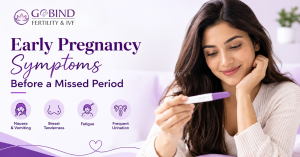
Pregnancy is an exciting journey, and many women start noticing subtle changes in their bodies even before they miss their period. While a missed menstrual cycle is often considered the first obvious sign of pregnancy, hormonal changes begin much earlier. These changes can cause a variety of physical and emotional symptoms that may indicate conception.
However, these symptoms vary from woman to woman. Some may experience several signs, while others may notice none at all.
In this article, we’ll discuss the early pregnancy symptoms before a missed period, what causes them, and when you should take a pregnancy test.
What Happens During Early Pregnancy?
After fertilisation, the embryo travels to the uterus and implants into the uterine lining approximately 6–12 days after ovulation. During implantation, your body begins producing Human Chorionic Gonadotropin (hCG), the pregnancy hormone responsible for many early pregnancy symptoms.
At the same time, rising levels of progesterone and estrogen prepare your body to support a healthy pregnancy.
Top Early Pregnancy Symptoms Before a Missed Period
1. Implantation Bleeding
One of the earliest signs of pregnancy is implantation bleeding.
What does it look like?
- Light pink or brown spotting
- Much lighter than a regular period
- Usually lasts a few hours to two days
Not every woman experiences implantation bleeding, so its absence doesn’t rule out pregnancy.
2. Mild Cramping
Some women experience mild cramping similar to menstrual cramps.
These cramps occur because the fertilised egg is attaching itself to the uterine lining. The discomfort is generally mild and short-lived.
3. Breast Tenderness and Swelling
Hormonal changes begin almost immediately after conception.
You may notice:
- Tender breasts
- Swollen breasts
- Tingling sensation
- Darkening of the nipples
These symptoms often appear one to two weeks after conception.
4. Fatigue
Feeling unusually tired is one of the most common early pregnancy symptoms.
The increase in progesterone levels can make you feel sleepy even after getting adequate rest.
Other contributing factors include:
- Increased blood production
- Lower blood sugar
- Lower blood pressure
5. Frequent Urination
Although more common later in pregnancy, some women notice frequent urination before missing a period.
Hormonal changes increase blood flow to the kidneys, causing your bladder to fill more quickly.
6. Nausea or Morning Sickness
Morning sickness doesn’t always occur in the morning.
Some women experience:
- Mild nausea
- Food aversions
- Sensitivity to smells
These symptoms can begin as early as one to two weeks before a missed period.
7. Food Cravings or Food Aversions
Hormonal changes may suddenly alter your taste preferences.
You may:
- Crave unusual foods
- Dislike your favourite meals
- Become sensitive to certain smells
These changes are caused by rising estrogen levels.
8. Mood Swings
Changing hormone levels can affect neurotransmitters in the brain.
As a result, you may experience:
- Irritability
- Anxiety
- Emotional sensitivity
- Sudden mood changes
9. Bloating
Progesterone slows digestion, causing:
- Abdominal bloating
- Feeling of fullness
- Gas
Many women mistake this symptom for premenstrual syndrome (PMS).
10. Increased Basal Body Temperature
If you’ve been tracking your basal body temperature (BBT), you may notice it remains elevated for more than two weeks after ovulation.
A sustained rise in BBT may indicate pregnancy.
11. Light Headaches
Hormonal fluctuations and increased blood circulation can trigger mild headaches during early pregnancy.
Staying hydrated and getting enough rest can help reduce discomfort.
12. Increased Vaginal Discharge
Early pregnancy often causes an increase in clear or milky white vaginal discharge.
This discharge helps protect the uterus from infections and is generally normal unless accompanied by itching, foul odour, or pain.
Early Pregnancy Symptoms vs PMS
Many early pregnancy symptoms resemble PMS, making it difficult to tell the difference.
| Symptom | PMS | Early Pregnancy |
| Breast tenderness | Yes | Yes |
| Mood swings | Yes | Yes |
| Fatigue | Mild | Often more intense |
| Nausea | Rare | Common |
| Implantation bleeding | No | Possible |
| Missed period | No | Yes |
| Frequent urination | Rare | Possible |
| Food aversions | Rare | Common |
When Should You Take a Pregnancy Test?
Although symptoms can appear early, home pregnancy tests are most accurate after your missed period.
If you test too early, the hCG level may still be too low to detect.
For the most reliable result:
- Test on the first day of your missed period.
- Use the first urine of the morning.
- Follow the test instructions carefully.
If the result is negative but your period hasn’t started, repeat the test after 48–72 hours.
When Should You Consult a Fertility Specialist?
While early pregnancy symptoms can be encouraging, they do not confirm pregnancy.
You should consult a fertility specialist if:
- You’ve been trying to conceive for over one year (or six months if you’re over 35).
- You have irregular menstrual cycles.
- You have a history of miscarriages.
- You experience severe pelvic pain or heavy bleeding.
- You have conditions such as PCOS, endometriosis, or thyroid disorders.
Early evaluation can help identify underlying fertility concerns and improve your chances of a healthy pregnancy.
Tips During the Two-Week Wait
The time between ovulation and your expected period can feel stressful.
Here are a few healthy practices:
Eat a balanced diet
Include fruits, vegetables, protein, whole grains, and healthy fats.
Stay hydrated
Drink plenty of water throughout the day.
Avoid alcohol and smoking
These can negatively affect fertility and early pregnancy.
Continue taking folic acid
Folic acid supports healthy fetal development from the earliest stages.
Manage stress
Practice yoga, meditation, or gentle exercise to reduce anxiety.
Frequently Asked Questions (FAQs)
Can pregnancy symptoms start before a missed period?
Yes. Some women notice symptoms like implantation bleeding, fatigue, breast tenderness, bloating, or mild nausea about one to two weeks after conception.
How early can implantation bleeding occur?
Implantation bleeding typically occurs 6–12 days after ovulation, often a few days before the expected period.
Is cramping before a missed period normal?
Mild cramping can occur during implantation and is generally normal. Severe pain or heavy bleeding should be evaluated by a doctor.
Can I feel pregnant after one week?
Some women notice subtle hormonal changes within a week of conception, while others may not experience symptoms until several weeks later.
Is nausea before a missed period common?
Yes. Although it varies, some women experience mild nausea before missing their period due to rising hCG levels.
Can PMS and pregnancy symptoms feel the same?
Yes. Many symptoms overlap, including fatigue, breast tenderness, bloating, and mood swings. A pregnancy test is the most reliable way to confirm pregnancy.
Why Choose Gobind Fertility & IVF Centre?
At Gobind Fertility & IVF Centre, we understand that every fertility journey is unique. Our experienced fertility specialists provide personalised care, advanced fertility treatments, accurate diagnostic services, and compassionate support to help couples achieve their dream of parenthood.
Whether you’re planning a pregnancy, facing fertility challenges, or seeking expert guidance after noticing early pregnancy symptoms, our team is here to support you every step of the way.
Early pregnancy symptoms before a missed period can offer exciting clues that conception has occurred. From implantation bleeding and breast tenderness to fatigue and nausea, these signs result from the body’s natural hormonal changes.
However, because many symptoms overlap with PMS, the best way to confirm pregnancy is through a home pregnancy test after your missed period or a blood test recommended by your doctor.
If you’ve been trying to conceive or have concerns about your fertility, seeking timely medical advice can make all the difference.