



Posts by Admin
Adenomyosis and Fertility: Can It Make Getting Pregnant More Difficult?
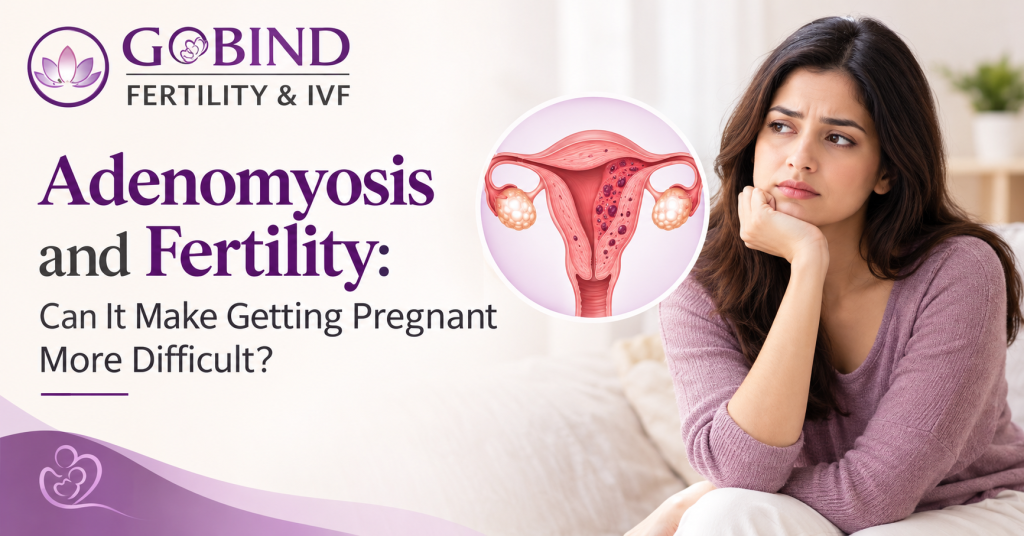
When a woman is diagnosed with adenomyosis, one of the first concerns is often about fertility. Questions like “Will I be able to conceive?” “Will I need IVF?”, or “Can adenomyosis affect implantation?” are completely understandable. Adenomyosis is a condition in which tissue similar to the uterine lining grows within the muscular wall of the uterus.…
Read MoreEarly Pregnancy Symptoms Before a Missed Period
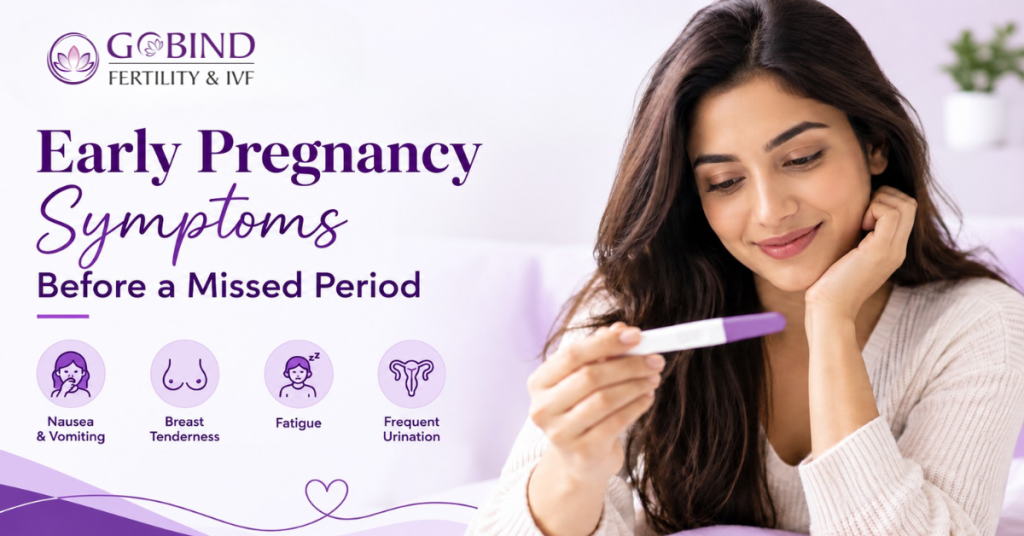
Pregnancy is an exciting journey, and many women start noticing subtle changes in their bodies even before they miss their period. While a missed menstrual cycle is often considered the first obvious sign of pregnancy, hormonal changes begin much earlier. These changes can cause a variety of physical and emotional symptoms that may indicate conception.…
Read MoreCan Vitamin D Deficiency Cause Infertility?

Infertility affects millions of couples worldwide, and while factors such as age, hormonal imbalances, and reproductive disorders are well-known causes, nutritional deficiencies are increasingly being recognised as contributors to fertility problems. One nutrient that has gained significant attention is vitamin D. Often called the “sunshine vitamin,” vitamin D is essential not only for strong bones…
Read MoreMonsoon Fertility Care Tips: A Healthy Guide for Couples Trying to Conceive

The monsoon season brings cooler weather and relief from the summer heat. However, increased humidity, waterlogging, sudden temperature changes, and a higher risk of seasonal infections can also affect daily routines and overall well-being. For couples trying to conceive, preparing for pregnancy, or undergoing fertility treatment, maintaining healthy habits during the rainy season is important.…
Read MoreDoes Night Shift Work Affect Fertility?
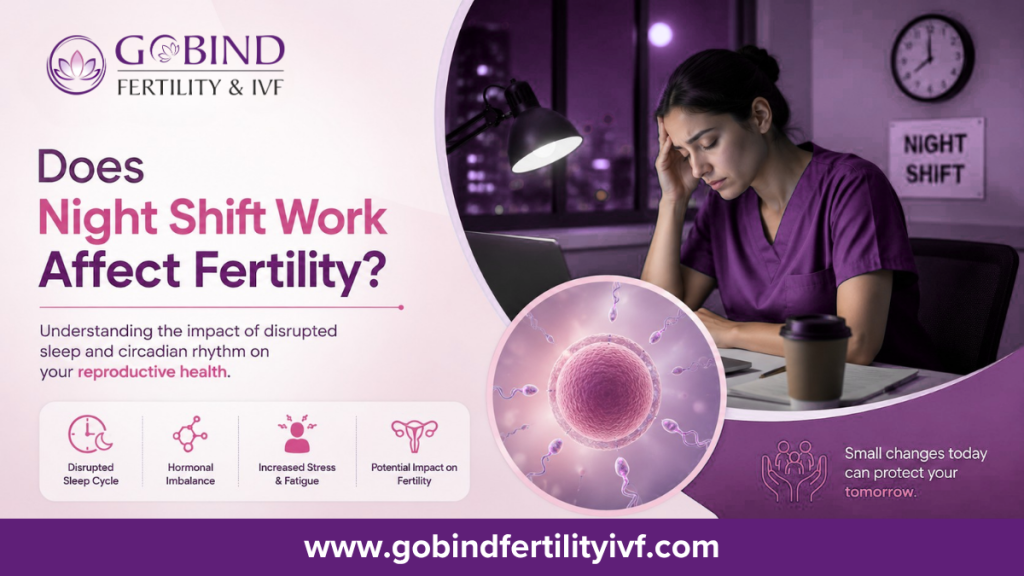
In today’s fast-paced world, millions of people work outside the traditional 9-to-5 schedule. Healthcare professionals, IT employees, factory workers, customer support executives, security personnel, and many others often work night shifts to keep essential services running. While shift work is a necessity for many careers, it may have unintended effects on overall health—including reproductive health.…
Read MoreFoods to Avoid During Pregnancy After IVF: A Complete Guide for a Safe and Healthy Pregnancy
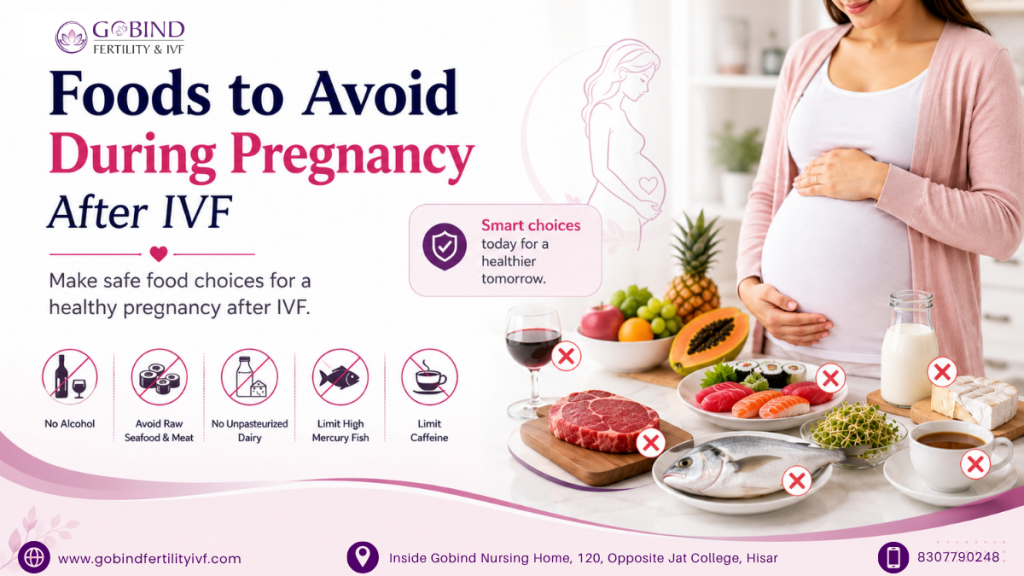
A positive pregnancy test after IVF is an incredibly special moment. After the emotional and physical journey of fertility treatment, it is completely natural to become extra careful about what you eat, drink, and do during the early weeks of pregnancy. One of the most common questions we hear at Gobind Fertility and IVF Centre…
Read More