



Foods to Avoid During Pregnancy After IVF: A Complete Guide for a Safe and Healthy Pregnancy
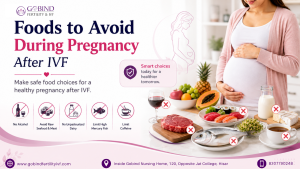
A positive pregnancy test after IVF is an incredibly special moment. After the emotional and physical journey of fertility treatment, it is completely natural to become extra careful about what you eat, drink, and do during the early weeks of pregnancy. One of the most common questions we hear at Gobind Fertility and IVF Centre is: “After IVF, what foods should I avoid during pregnancy?”
The good news is that you do not need to follow an extremely restrictive diet simply because your pregnancy was achieved through IVF. Once pregnancy is established, the basic principles of healthy pregnancy nutrition are similar to those for other pregnancies. However, IVF patients may understandably want to be especially careful about food safety, adequate nutrition, and avoiding unnecessary risks.
The focus should be on eating a balanced, nutritious diet while avoiding foods that may increase the risk of food poisoning, certain infections, excessive mercury exposure, or other pregnancy-related concerns.
Does Pregnancy After IVF Require a Special Diet?
There is no single “IVF pregnancy diet” that guarantees a successful pregnancy.
After embryo transfer and a positive pregnancy test, your body needs adequate protein, carbohydrates, healthy fats, vitamins, minerals, fibre, and fluids. The goal is to support your health and the baby’s development rather than unnecessarily eliminating large numbers of foods.
At Gobind Fertility and IVF Centre, we generally encourage patients to concentrate on food quality, hygiene, balanced nutrition, and medically recommended supplements rather than following internet-based food restrictions.
Some foods should be avoided during pregnancy because of infection or toxin risks, while others simply need to be limited.
1. Avoid Alcohol Completely
Alcohol should be avoided during pregnancy.
There is no established safe level of alcohol consumption during pregnancy, and alcohol can cross the placenta and affect fetal development.
For women who have conceived after IVF, this is particularly important because once pregnancy is confirmed, alcohol should not be considered part of a “small occasional” allowance.
Choose instead: water, pasteurised milk, safe fruit beverages, or other non-alcoholic drinks appropriate for pregnancy.
2. Avoid Raw or Undercooked Meat
Raw or inadequately cooked meat can carry bacteria and parasites, including those associated with toxoplasmosis and other foodborne illnesses.
During pregnancy, avoid meat that is:
- Raw or visibly undercooked
- Pink or bloody in the centre
- Insufficiently cooked minced meat
- Undercooked kebabs or meat preparations
- Raw meat preparations such as certain cured meats unless appropriately cooked
Chicken, mutton, fish and other meats should be cooked thoroughly.
This is especially important when eating out, where you may not always know how the food has been stored or prepared.
3. Be Careful With Raw Eggs
Raw or partially cooked eggs can carry bacteria such as Salmonella.
During pregnancy, it is safest to eat eggs that have been properly cooked, particularly when the source and food-safety standards are uncertain. FDA guidance recommends cooking eggs until the yolk and white are firm.
Be cautious with foods that may contain raw eggs, including:
- Homemade mayonnaise
- Certain mousses
- Raw cake batter
- Some desserts
- Homemade sauces containing uncooked egg
Eggs themselves can be an excellent source of protein during pregnancy—you generally don’t need to avoid eggs; the key is proper preparation.
4. Avoid Unpasteurized Milk and Dairy Products
Unpasteurized milk and products made from it can carry Listeria and other harmful bacteria.
This means pregnant women should avoid:
- Raw/unpasteurized milk
- Dairy products made from unpasteurized milk
- Uncertain-source milk products where pasteurisation cannot be confirmed
Pasteurised milk, curd/yogurt, cheese and other pasteurised dairy products can generally be included in a healthy pregnancy diet.
For Indian households, this is particularly relevant when purchasing dairy products from local or informal sources. If you are unsure whether a product is pasteurised or safely prepared, it is better to choose a reliable source.
5. Avoid Raw Fish and Raw Shellfish
Raw seafood can contain bacteria and parasites that can cause foodborne illness.
During pregnancy, avoid:
- Raw fish
- Sashimi
- Raw shellfish
- Raw oysters
- Undercooked seafood
- Sushi containing raw fish or shellfish
Fish itself does not need to be eliminated from your diet. Fish can provide protein and important nutrients, but choose lower-mercury varieties and make sure seafood is properly cooked.
6. Limit High-Mercury Fish
Certain fish can contain higher levels of mercury, which can affect the developing nervous system.
Fish that are commonly advised against during pregnancy include:
- Shark
- Swordfish
- Marlin
- Bigeye tuna
- Certain other large predatory fish
The exact recommendations can vary by country and local fish species, so follow advice appropriate to where you live.
At Gobind Fertility and IVF Centre, we encourage pregnant patients not to eliminate fish altogether simply because they have heard that “fish is unsafe.” The better approach is to select safe, low-mercury fish and consume them in appropriate amounts.
7. Avoid Liver and Excess Vitamin A
Liver and liver-based products can contain high amounts of preformed vitamin A.
Excessive vitamin A during pregnancy can be harmful to the developing baby. For this reason, pregnancy guidance recommends avoiding liver and liver products.
This is also why you should not take vitamin supplements containing high doses of vitamin A unless specifically recommended by your doctor.
Remember that prenatal vitamins are formulated differently from general multivitamins. Take only the supplements recommended by your fertility specialist or obstetrician.
8. Be Careful With Unwashed Fruits and Vegetables
Fresh fruits and vegetables are an important part of a healthy pregnancy diet—but they should be washed properly before eating.
Unwashed produce can potentially carry harmful organisms, including parasites such as Toxoplasma. FDA guidance recommends washing fruits and vegetables thoroughly under running water and removing damaged or bruised areas. Before eating fruits and vegetables:
- Wash them thoroughly under running water.
- Avoid eating visibly dirty or damaged produce.
- Wash produce even if you plan to peel it.
- Keep cutting boards and kitchen surfaces clean.
You do not need to avoid fruits simply because you are pregnant after IVF.
9. Avoid Raw Sprouts
Raw sprouts—including certain types of mung bean, alfalfa, radish and clover sprouts—can allow bacteria to multiply during the sprouting process.
Because washing may not eliminate bacteria inside sprouts, pregnant women are advised to avoid raw sprouts and eat them only when thoroughly cooked.
This is especially worth remembering when eating salads, sandwiches or restaurant meals.
10. Be Cautious With Street Food and Unhygienically Prepared Foods
Street food is not automatically unsafe during pregnancy, but food hygiene becomes particularly important.
Foods that have been sitting at room temperature for long periods, poorly refrigerated dairy products, raw chutneys, unwashed salad ingredients, and improperly handled ready-to-eat foods can increase the risk of foodborne illness.
When eating outside:
- Choose clean and reputable establishments.
- Prefer freshly cooked food served hot.
- Avoid food that has been sitting uncovered.
- Be cautious with raw salads if hygiene is uncertain.
- Avoid questionable dairy or freshly prepared juices from uncertain sources.
For patients at Gobind Fertility and IVF Centre, we often emphasise that food safety is just as important as the nutritional value of the food.
11. Limit Caffeine
You do not necessarily have to completely give up tea or coffee during pregnancy, but caffeine should be limited.
We recommend keeping caffeine intake to no more than 200 mg per day during pregnancy. Caffeine can come from coffee, tea, cola, energy drinks, chocolate and some supplements.
Remember that caffeine content varies considerably between drinks.
For example, your daily intake may include caffeine from:
- Morning tea
- Coffee
- Green tea
- Cola
- Chocolate
- Energy drinks
If you are unsure how much caffeine you are consuming, discuss it with your healthcare provider.
12. Avoid Energy Drinks and Unnecessary Herbal Supplements
Energy drinks can contain significant amounts of caffeine and other stimulants, so they are best avoided during pregnancy unless specifically advised otherwise.
You should also be cautious about herbal preparations, fertility supplements, detox drinks and traditional remedies.
“Natural” does not automatically mean “safe during pregnancy.”
Some herbs and supplements have not been adequately studied during pregnancy, and some may interact with medications.
If you are taking progesterone, prenatal vitamins, or any other medication following IVF, tell your fertility specialist about any supplement you are considering.
At Gobind Fertility and IVF Centre, we recommend discussing herbal products and supplements with your treating doctor before adding them to your pregnancy routine.
What About Papaya, Pineapple and Other Common IVF Food Myths?
After IVF, patients are often told to completely avoid certain fruits such as papaya or pineapple because they are believed to cause miscarriage.
This is where it is important to separate traditional beliefs from evidence-based pregnancy care.
You should not unnecessarily eliminate nutritious fruits from your diet because of internet rumours or social-media advice. The bigger priorities are food safety, proper washing, balanced nutrition and following your doctor’s recommendations.
If you have been specifically advised to avoid a particular food because of your medical condition, follow that personalised advice.
What Should You Eat After IVF?
Avoiding unsafe foods is only one part of pregnancy nutrition. Your diet should also include a variety of nutritious foods.
Depending on your individual nutritional needs, a balanced pregnancy diet may include:
Protein
- Eggs
- Well-cooked chicken or meat
- Well-cooked fish
- Dal
- Beans and legumes
- Paneer from a safe, pasteurized source
- Curd/yogurt
- Nuts and seeds
Fruits and Vegetables
Include a variety of colourful fruits and vegetables after washing them thoroughly.
Whole Grains
Options can include:
- Whole-wheat roti
- Oats
- Brown rice
- Millets
- Whole-grain breads
Healthy Fats
Nuts, seeds, appropriate cooking oils and other sources of healthy fats can be part of a balanced diet.
Your exact nutritional requirements may vary depending on your weight, medical history, blood tests, pregnancy stage and any conditions such as diabetes or thyroid disorders.
Do IVF Patients Need to Avoid More Foods Than Other Pregnant Women?
Not necessarily.
IVF itself does not mean that a woman must follow a dramatically restricted diet after pregnancy is confirmed.
However, fertility patients may have additional considerations depending on their treatment, medications, medical conditions and pregnancy history.
At Gobind Fertility and IVF Centre, dietary advice is best viewed as part of personalised pregnancy care. Instead of following a long list of foods to avoid from social media, patients should focus on evidence-based recommendations and discuss individual concerns with their fertility specialist.
Simple Food-Safety Rules to Remember
If remembering every recommendation feels overwhelming, follow these simple rules:
Cook it thoroughly.
Avoid raw and undercooked meat, eggs and seafood.
Choose pasteurized dairy.
Avoid unpasteurized milk and dairy products.
Wash fresh produce.
Clean fruits and vegetables properly before eating.
Choose fish wisely.
Eat properly cooked, lower-mercury fish and avoid high-mercury species.
Limit caffeine.
Keep total intake within recommended limits.
Avoid alcohol.
Do not drink alcohol during pregnancy.
Be cautious with supplements.
Take prenatal vitamins and other supplements only as advised.
Prioritise hygiene.
Be careful with street food, ready-to-eat foods and food stored improperly.
Final Takeaway
A pregnancy after IVF deserves careful attention, but it does not mean you have to live on a highly restrictive diet.
The most important dietary principles are to avoid alcohol, raw and undercooked foods, unpasteurized dairy, raw seafood, high-mercury fish and excessive caffeine, while maintaining good food hygiene. Properly washed fruits and vegetables, safe dairy products, well-cooked protein sources, whole grains and other nutritious foods can form part of a balanced pregnancy diet.
At Gobind Fertility and IVF Centre, we encourage women who have conceived through IVF to focus on balanced nutrition rather than unnecessary food restrictions. Your individual diet may need to be adjusted according to your health, pregnancy progress, medications and nutritional requirements.
Most importantly, avoid making major dietary changes based solely on online lists or family advice. If you are unsure whether a particular food, supplement, herbal preparation or drink is safe during your IVF pregnancy, discuss it with your fertility specialist before consuming it regularly.
A healthy pregnancy is built on appropriate medical care, balanced nutrition, food safety, adequate rest and regular monitoring—not on fear of individual foods.
This article is intended for general educational purposes and does not replace personalised medical advice. Dietary requirements can vary during pregnancy, particularly in women with diabetes, thyroid disorders, nutritional deficiencies, food allergies or other medical conditions. Always follow the advice of your fertility specialist or obstetrician.