
Category: Blog

  • Infertility Vs Sterility: A Comparative Overview
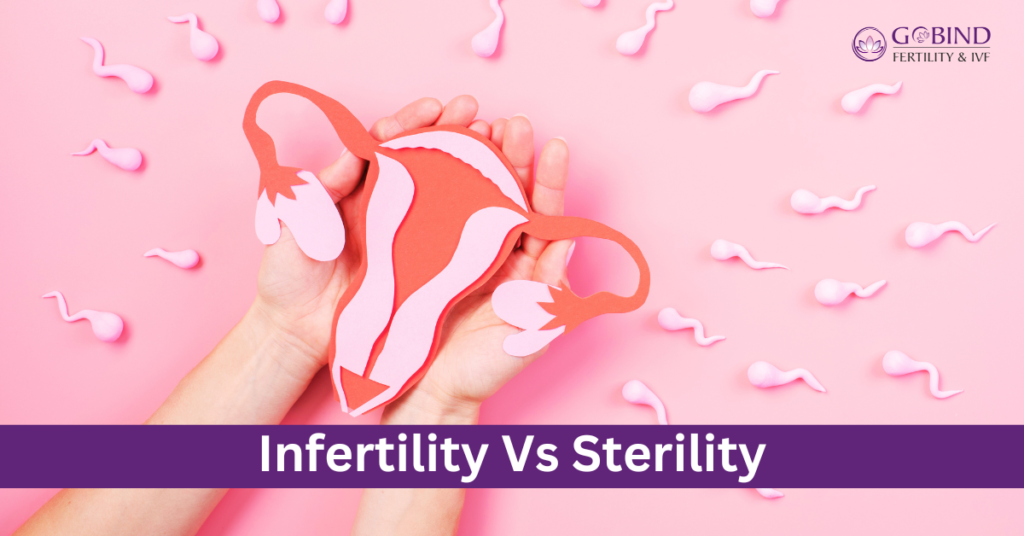
    Infertility Vs Sterility: A Comparative Overview

    Infertility Vs Sterility

    Infertility and sterility are often used interchangeably, but they are distinct medical conditions. Understanding the differences between these two terms is crucial for individuals experiencing reproductive challenges and for healthcare professionals providing guidance.

    Infertility is the inability to conceive and carry a pregnancy to term after a year of unprotected sexual intercourse. It can affect both men and women and can be caused by various factors.

    • Ovulation issues: Irregular or absent ovulation can prevent fertilization.
    • Fallopian tube problems: Blockages or damage to the fallopian tubes can hinder the movement of sperm and eggs.
    • Endometriosis: A condition where tissue similar to the uterine lining grows outside the uterus can affect fertility. This extra tissue can attach to other organs, such as the ovaries, fallopian tubes, and even the bladder or intestines.
    • Uterine abnormalities: Uterine abnormalities are structural deviations from the normal shape or size of the uterus. These abnormalities can affect fertility, pregnancy outcomes, and menstrual health.
    • Male infertility: Factors such as low sperm count, poor sperm quality, or erectile dysfunction can contribute to infertility.
    • Hormonal imbalances: Hormonal imbalances can disrupt the reproductive process.
    • Chronic health conditions: Certain medical conditions, such as diabetes, thyroid disorders, and autoimmune diseases, can impact fertility.

    Sterility, on the other hand, is the complete inability to reproduce. It is often a permanent condition and is typically caused by underlying medical issues or surgical procedures that render an individual incapable of conceiving or carrying a pregnancy.

    • Surgical procedures: Hysterectomy (removal of the uterus), tubal ligation (tying of the fallopian tubes), or vasectomy (surgical sterilization of the vas deferens) can render an individual sterile.
    • Severe reproductive organ damage: Damage to the reproductive organs due to infections, trauma, or congenital abnormalities can lead to sterility.
    • Genetic factors: In some cases, genetic conditions can cause sterility.
    • Radiation or chemotherapy: Exposure to radiation or chemotherapy can damage reproductive tissues and lead to sterility.
    FeatureInfertilitySterility
    DefinitionInability to conceive and carry a pregnancy after a year of unprotected sex.Complete inability to reproduce.
    ReversibilityOften reversible with medical interventions or treatments.Typically irreversible.
    CausesVarious factors, including ovulation issues, fallopian tube problems, endometriosis, uterine abnormalities, male infertility, hormonal imbalances, and chronic health conditions.Surgical procedures, severe reproductive organ damage, genetic factors, and radiation or chemotherapy.
    1. In Vitro Fertilization (IVF)
      • This involves retrieving eggs, fertilizing them with sperm in a laboratory, and transferring the embryos into the uterus.
      • It can be effective for couples with male infertility, female infertility, or unexplained infertility.
    2. Intracytoplasmic Sperm Injection (ICSI)
      • A specialized technique is used when sperm quality is poor. A single sperm is injected directly into an egg.
      • This can be combined with IVF for couples facing severe male infertility.
    3. Donor Sperm or Eggs
      • For couples where one partner has a complete absence of reproductive cells, using donor sperm or eggs can be an option.
      • This involves a rigorous screening process for donors.
    4. Surrogacy
      • For couples who cannot carry a pregnancy, a surrogate can carry a baby for them.
      • This involves legal and ethical considerations.
    5. Experimental Treatments
      • Ongoing research is exploring new techniques, such as stem cell therapy and genetic engineering, to address certain cases of sterility. However, these are still in the experimental stages and may not be widely available.
    • Success Rates: The success rates of these treatments vary depending on individual factors, such as age, underlying causes of sterility, and the specific treatment chosen.
    • Emotional Impact: Dealing with sterility can be emotionally challenging. Seeking support from fertility specialists, support groups, or mental health professionals can be beneficial.
    • Financial Factors: Fertility treatments can be expensive. Considering the costs involved and exploring insurance coverage or financial assistance options is essential.

    While infertility and sterility can be distressing, it’s important to understand the distinctions between them. Infertility may be temporary and treatable, while sterility is often permanent. It’s crucial to consult with a fertility specialist Dr. Manju Khurana, one of the best fertility specialist in Hisar to discuss your specific situation, understand the available options, and make informed treatment decisions.

  • Tips for Dealing with Morning Sickness

    Tips for Dealing with Morning Sickness

    Morning sickness is a common and often challenging aspect of early pregnancy. Affecting up to 80% of pregnant women, it typically presents as nausea and vomiting during the first trimester, though it can extend into later stages for some. Here’s a comprehensive guide to managing morning sickness and finding relief.

    Morning sickness, despite its name, can occur at any time of the day or night. It’s thought to be caused by hormonal changes, particularly the increase in human chorionic gonadotropin (hCG) and estrogen. While it is usually harmless and resolves by the end of the first trimester, it can be debilitating for those who experience severe symptoms.

    1. Eat Small, Frequent Meals: Instead of three large meals, opt for six smaller ones throughout the day. This can help keep blood sugar levels stable and prevent nausea.
    2. Choose bland foods: Foods that are bland and easy to digest, such as crackers, rice, or applesauce, are less likely to trigger nausea.
    3. Incorporate Ginger: Ginger has been shown to alleviate nausea. Try ginger tea, ginger ale (with real ginger), or ginger candies.
    4. Avoid Trigger Foods: Pay attention to foods that worsen your nausea and try to avoid them. Greasy, spicy, or highly aromatic foods might be particularly troublesome.
    5. Stay Hydrated: Dehydration can exacerbate nausea. Sip water or electrolyte-rich beverages throughout the day. If plain water is hard to keep down, try flavoured or carbonated water.
    1. Get Plenty of Rest: Fatigue can worsen nausea. Ensure you’re getting enough sleep and consider taking naps if needed.
    2. Adjust Your Sleeping Position: Some women find that sleeping propped up or on their side can help reduce nausea. Experiment with different positions to find what works best for you.
    3. Avoid Strong Odors: Strong smells from cooking, perfumes, or other sources can trigger nausea. Try to stay in well-ventilated areas and avoid cooking if the smells bother you.
    4. Practice Relaxation Techniques: Stress can worsen nausea. Techniques such as deep breathing, meditation, or gentle yoga can help manage stress and reduce symptoms.
    1. Vitamin B6: Some studies suggest that vitamin B6 can help reduce nausea. Consult with your healthcare provider about appropriate dosages.
    2. Antacids: If you’re experiencing heartburn along with nausea, antacids may provide some relief. However, check with your doctor before starting any new medications.

    While morning sickness is typically not a cause for concern, there are times when it’s important to consult with a healthcare professional:

    1. Severe Symptoms: If you are unable to keep food or fluids down, or if you experience severe vomiting, it could be a sign of hyperemesis gravidarum, a more serious condition that requires medical attention.
    2. Dehydration: Signs of dehydration include dark urine, dizziness, and dry mouth. If you suspect dehydration, seek medical advice.
    3. Unexplained Symptoms: If you experience symptoms that are unusual or worsening, it’s always best to consult with your healthcare provider.

    Morning sickness is a challenging aspect of pregnancy, but with the right strategies, it can be managed effectively. By making dietary changes, adjusting your lifestyle, and using both conventional and alternative therapies, you can reduce the severity of your symptoms and improve your overall comfort. Remember to consult with the best fertility specialist nearby before starting any new treatments or making significant changes to your routine. With patience and perseverance, you’ll find the best approach to navigating this phase of your pregnancy.

  • A Comprehensive Guide on When to Visit a Fertility Specialist
    A Comprehensive Guide on When to Visit a Fertility Specialist

    When to Visit a Fertility Specialist | Gobind Fertility & IVF Center in Hisar

    Navigating the journey to parenthood can be a deeply personal and sometimes challenging experience. The path to conception is straightforward for many couples, but for others, it may require professional assistance. Knowing when to visit a fertility specialist is crucial for optimizing your chances of achieving a successful pregnancy. This article guides on the right time to consult a fertility specialist and what to expect from the process.

    Before delving into when to visit a fertility specialist, it’s important to understand what is considered normal when trying to conceive.

    • General Timeline: For most couples, the average time to conceive is within 6 to 12 months of regular, unprotected intercourse. This timeframe may vary based on age and health factors.
    • Age Considerations: Fertility naturally declines with age, especially for women. Women over 35 are advised to seek professional advice after 6 months of trying, while women under 35 can generally wait up to 12 months before consulting a specialist.

    Several indicators suggest it may be time to consult a fertility specialist.

    Here’s a breakdown of key signs:

    • For Women: If you’re under 35 and haven’t conceived after a year of regular, unprotected sex, it’s a good idea to seek help. For those over 35, consider seeing a specialist after 6 months.
    • For Men: If there are concerns about sperm quality, such as low libido or issues with ejaculation, a fertility specialist can provide an evaluation.
    • Women with irregular or absent menstrual cycles may have underlying conditions such as polycystic ovary syndrome (PCOS) or thyroid issues, which can affect fertility. A fertility specialist can help diagnose and treat these conditions.
    • Experiencing recurrent miscarriages (typically defined as three or more) warrants a consultation with a fertility specialist. They can perform tests to identify potential causes and recommend treatments to improve the chances of a successful pregnancy.
    • Conditions like endometriosis, uterine fibroids, or chronic illnesses such as diabetes can impact fertility. Consulting a specialist can help manage these conditions in the context of conception.
    • Women over 40 or men with concerns about age-related fertility decline should seek early consultation with a specialist. Fertility treatments and interventions may be more effective with early planning.
    • If you or your partner have known genetic conditions or hormonal imbalances, a fertility specialist can offer testing and treatment options to address these issues.
    • If you’ve undergone previous unsuccessful fertility treatments, it might be time to consult a specialist for a second opinion or to explore advanced treatment options.

    When you decide to see a fertility specialist, here’s what you can expect:

    • The first visit typically involves a thorough review of your medical history, lifestyle factors, and fertility concerns. Both partners may be asked to provide information to identify any potential issues.
    • The specialist may recommend a series of tests to evaluate fertility. This might include blood tests, hormone level assessments, ultrasound scans, semen analysis for men, and possibly more specialized tests depending on individual circumstances.
    • Based on the results, the specialist will discuss possible treatment options. These may range from lifestyle changes and medication to more advanced interventions such as in vitro fertilization (IVF) or intrauterine insemination (IUI).
    • A fertility specialist will work with you to create a personalized treatment plan that aligns with your goals, health, and circumstances. They will also provide guidance on the next steps and what to expect throughout the process.
    • Navigating fertility issues can be emotionally challenging. Many fertility clinics offer counselling and support services to help individuals and couples cope with the stress and emotional aspects of the journey.

    Deciding to visit a fertility specialist is a significant step, and knowing when to seek help can make a difference in your journey to parenthood. If you find yourself facing prolonged difficulties in conceiving, experiencing reproductive health issues, or have concerns about your fertility, Dr. Manju Khurana (Senior IVF Specialist ) at Gobind Fertility & IVF Center in Hisar can provide valuable insights and treatment options.

    Remember, seeking professional help early can often lead to better outcomes and provide you with the support and resources needed to achieve your fertility goals.

    ..

  • What is Thin Uterus Lining: Its Symptoms and Solutions
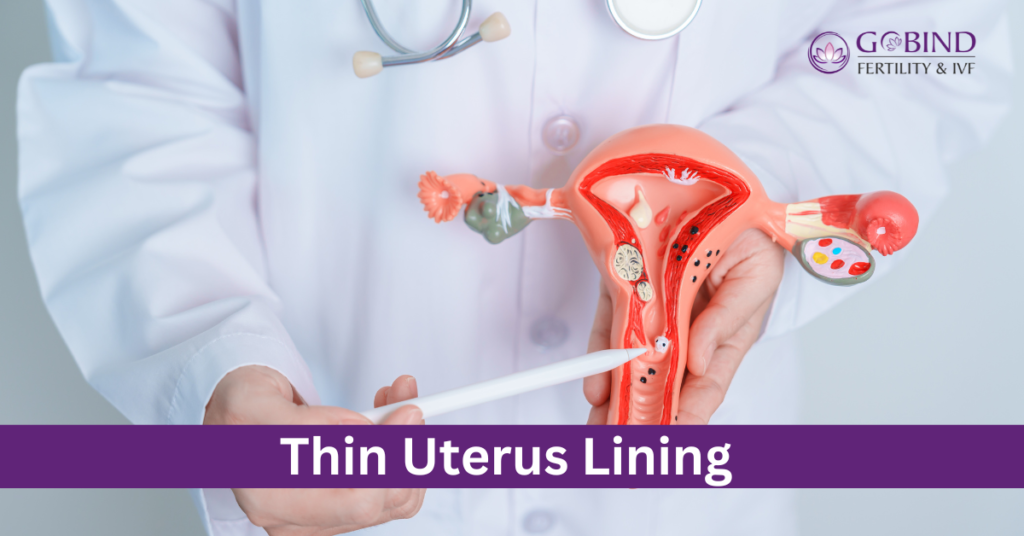
    What is Thin Uterus Lining: Its Symptoms and Solutions

    Thin Uterus Lining

    Assisted Reproductive Technologies (ART): Techniques such as in vitro fertilization (IVF) can sometimes bypass issues with the endometrial lining, especially if other treatments are not effective.

  • Understanding TESE: What Is It and What Are Its Success Rates?

    Understanding TESE: What Is It and What Are Its Success Rates?

  • Frozen Embryo Transfer (FET): Procedure, Advantages & Disadvantages

    Frozen Embryo Transfer (FET): Procedure, Advantages & Disadvantages

    Preparation Phase:

  • Dysmenorrhea: Causes, Symptoms, and Treatment

    Dysmenorrhea: Causes, Symptoms, and Treatment

  • Ways To Take Care of Women’s Reproductive Health

    Ways To Take Care of Women’s Reproductive Health

    ways to take care of female reproductive health
  • Ovarian Cyst: Causes, Symptoms, and Treatment

    Ovarian Cyst: Causes, Symptoms, and Treatment

    4. Laparoscopy: A minimally invasive surgical procedure to view the ovaries directly and sometimes remove the cyst.

  • Uterine Polyps: Causes, Symptoms & Treatment

    Uterine Polyps: Causes, Symptoms & Treatment

     Picture is showing a uterus having Polyp called Uterine Polyp