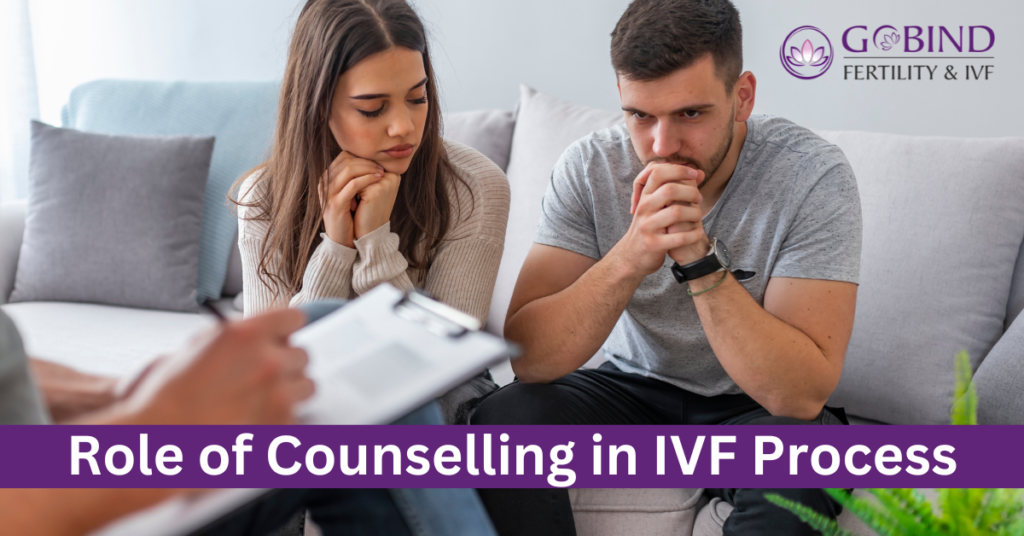

In vitro fertilization (IVF) is a remarkable medical advancement that has helped millions of couples and individuals achieve their dream of having a child. However, while IVF has transformed reproductive medicine, the journey to parenthood through assisted reproductive technologies can be emotionally and psychologically challenging. It is often a path filled with hope, disappointment, uncertainty, and physical demands. This is where counselling plays an essential role in the IVF process.
The Emotional Rollercoaster of IVF
The IVF process involves several stages: hormonal treatments, egg retrieval, fertilization, embryo transfer, and, hopefully, a successful pregnancy. Each stage carries its own set of physical and emotional challenges. The physical side effects of IVF medications, the waiting period to find out if the treatment was successful, and the financial burden of multiple cycles can contribute to a significant emotional toll. ItтАЩs common for individuals and couples undergoing IVF to experience stress, anxiety, depression, and a sense of loss.
Couples often feel isolated as they navigate the complexities of infertility, and the pressure to succeed can add to the emotional strain. For some, the process may take longer than expected, leading to feelings of inadequacy or frustration. Counselling can provide critical support during these times, helping individuals and couples manage their emotions and cope with the pressures associated with IVF.
How Counseling Can Support IVF Patients
1. Managing Stress and Anxiety
The IVF process can trigger a range of emotions, from excitement to anxiety about the outcome. The waiting periods, multiple appointments, and the uncertainty of success can create significant stress. Stress management techniques taught in counselling can help patients navigate these feelings more effectively. Cognitive-behavioral therapy (CBT), for example, helps individuals identify and challenge negative thought patterns, replacing them with healthier, more realistic perspectives.
2. Improving Coping Skills
For many people, infertility and IVF are deeply emotional experiences that may challenge their sense of identity and self-worth. Couples may feel guilt or shame, especially if IVF fails, leading to feelings of failure or grief. Counseling can offer a space for individuals to express these emotions without judgment. Therapists can also help develop coping strategies to deal with the difficult emotions that arise, including disappointment and frustration.
3. Communication Between Partners
One of the most significant aspects of IVF counseling is its role in improving communication between partners. Infertility can place a strain on relationships, especially if one partner feels more affected by the process than the other. Counseling provides a safe, neutral environment where couples can express their concerns, fears, and hopes without fear of judgment. Effective communication during this time is crucial to maintaining a strong relationship.
4. Dealing with Loss and Grief
Even when IVF is successful, the emotional impact can be profound. If an IVF cycle fails, couples may experience a sense of loss, similar to grief, even though they may not have a baby yet. Counselling can support patients through the grieving process, helping them to understand that these feelings are a natural response to loss. A therapist can guide individuals through the grieving stages, helping them find a sense of closure if they need to consider alternative options like donor eggs, sperm, or adoption.
5. Improving Decision-Making
The IVF journey often requires tough decisions, such as whether to continue with another cycle, whether to use donor gametes or how many embryos to implant. These decisions can be emotionally charged and difficult to make. IVF counsellors help patients weigh their options thoughtfully, considering both their emotional readiness and their long-term goals. This kind of support ensures that decisions are made from a place of clarity rather than impulsivity or pressure.
6. Supporting the Whole Family
IVF doesnтАЩt only impact the individual or couple undergoing the treatment. Family members, particularly parents or siblings, may also struggle with how to support their loved ones through the process. Family therapy or counseling sessions can help families better understand the emotional dynamics of IVF, enabling them to offer more effective emotional support to their loved ones.
7. Managing Expectations
One of the most important roles of counseling in IVF is helping individuals and couples manage their expectations. IVF success rates are not guaranteed, and the emotional rollercoaster that comes with each failed cycle can be overwhelming. Counselors work with patients to ensure that they have realistic expectations about their chances of success, while also emphasizing the importance of resilience and persistence. This can help minimize feelings of devastation when the outcome is not as hoped.
Types of Counseling Services for IVF Patients
Counseling services for IVF patients are typically offered through fertility clinics or can be sought externally. Some of the most common counseling approaches include:
Individual Therapy: One-on-one sessions with a therapist trained in reproductive health can help individuals process the emotional and psychological challenges of IVF.
Couples Therapy: This approach focuses on improving communication and supporting both partners through the IVF process.
Support Groups: Many IVF clinics offer group counseling or support groups where individuals and couples can share their experiences with others who are going through similar challenges.
Online Therapy: For those who may not have access to in-person therapy, virtual counseling provides a convenient option to receive the support they need from the comfort of home.
Conclusion
The role of counselling in the IVF process cannot be overstated. IVF is a highly emotional and often challenging journey, and mental health support is crucial to navigating this process with resilience and hope. By offering emotional guidance, improving coping skills, enhancing communication between partners, and helping manage stress and grief, counseling can help IVF patients maintain their well-being throughout the process.
Incorporating counseling into the IVF journey provides an essential layer of support that addresses not just the physical aspects of fertility treatment, but the emotional and psychological well-being of those undergoing it. Whether through individual therapy, couples counseling, or support groups, therapy offers tools to navigate the complexities of IVF and ultimately promotes a healthier, more positive path to parenthood.
If you or someone you know is considering IVF or is currently in the process, reaching out to a counselor specializing in fertility can be a valuable step in ensuring that both emotional and physical health are prioritized along the way.
Embarking on the journey of in vitro fertilization (IVF) is a deeply personal and emotional decision. For couples struggling with infertility, selecting the right IVF centre can make all the difference in their quest to become parents. This guide will walk you through the crucial factors to consider when choosing the right IVF centre, empowering you to make an informed decision that aligns with your unique needs and aspirations.
Success Rates and Statistics
When evaluating IVF centres, success rates are often the first metric that catches our attention. However, it’s essential to look beyond the surface-level percentages and understand what these numbers truly mean.
Age-specific success rates: Look for clinics that provide success rates broken down by age groups, as fertility decreases with age.
Live birth rates: Focus on live birth rates rather than just pregnancy rates, as this is the ultimate goal of IVF treatment.
Comparison to national averages: See how the clinic’s success rates compare to national averages for a broader perspective.
Remember, higher success rates don’t always indicate a better clinic. Some centres may achieve high rates by being selective about the patients they accept. It’s crucial to discuss how your specific case fits into their statistics.
Cost and Insurance Coverage
IVF treatment can be a significant financial investment. Understanding the costs involved and your insurance coverage options is vital for making an informed decision.
Transparent pricing: Look for clinics that provide clear, itemized cost breakdowns for all procedures and medications.
Insurance coverage: Check if the clinic works with your insurance provider and what specific treatments are covered.
Financing options: Inquire about payment plans or grants that may be available to help manage costs.
Pro tip: Carefully review the terms and conditions before committing.
Cutting-Edge Technology
The field of reproductive medicine is constantly evolving. Clinics that invest in the latest technologies often provide better outcomes and more personalized treatment plans. It is one of the major factors to consider while choosing the right IVF centre.
Key technological advancements to look for include:
Preimplantation Genetic Testing (PGT): Allows for screening of embryos for genetic abnormalities.
Time-lapse embryo monitoring: Provides continuous observation of embryo development without disturbing the culture environment.
Advanced cryopreservation techniques: Ensures better survival rates for frozen eggs and embryos.
Don’t hesitate to ask about the clinic’s specific technologies and how they might benefit your treatment.
Doctor Qualifications and Experience
The expertise of the medical team can significantly impact your IVF journey. When evaluating clinics, Inquire about the team’s collective experience in reproductive medicine. Ask about their involvement in ongoing research or professional development activities.
Remember, a good doctor-patient relationship is crucialтАФschedule consultations at Gobind Fertility & IVF Centre to get a feel for the clinic’s communication style and approach to patient care.
According to a study conducted by the Indian Council of Medical Research (ICMR), about 30% of married couples in India suffer from infertility. Of these couples, about one-third couples face infertility due to male factors. It has now become a common problem in India.
We can understand it like this, out of every 100 couples trying to conceive, the male factor accounts for 10-15 of them. The main causes of male infertility are low sperm count, poor sperm quality, blockages in the reproductive tract, certain toxins and chemicals, due to exposure to heat, and stress.
There are many ways to enhance male infertility, including medication, surgery, and assisted reproductive technologies (ART).
LetтАЩs Discuss these Causes of Male Infertility in detail:
Sperm Disorders
The main cause of IndiaтАЩs rising male infertility rate is sperm disorders. Male infertility can result from a low sperm count or sperm with reduced mobility. The majority of Indian men are addicted to smoking and drinking alcohol due to shifting lifestyles and rising stress levels. Male sperm counts are decreased by smoking and drinking, which leads to infertility. Male sperm disorders can also result from long-term illness, childhood infections, and hormone issues.
Varicocele
Vein swelling is referred to as varicocele. It is one of the prevalent causes of male infertility in India. It can be reversed. Male sperm quality is decreased by varicocele. IVF and other assisted reproductive methods can be used to deal with varicocele effectively.
Hormonal Imbalance
Another possible reason for male infertility in India is hormonal imbalances. Infertility can result from hormonal imbalances for several reasons.
Obesity and Stress
Two of the biggest factors contributing to the rise in male infertility in India are stress and obesity. MenтАЩs fertility is negatively impacted by rising emotional stress and changing eating patterns.
Tumors
In India, cancer and tumours are now common illnesses. The rate of male infertility is rising along with the number of cancer and tumour patients. Infertility results from harmful illnesses that impact the male reproductive system. In other instances, male fertility is impacted by the tumoursтАЩ treatment with chemotherapy, radiation, or surgery.
Medicines
Surprisingly, male infertility in India has increased as a result of the drugs used to treat illnesses. Male infertility has been linked to several medications, including antifungal, ulcer-treating, and cancer-related drugs. Another possible explanation for the rise in male fertility in India is the countryтАЩs increased use of steroids.
Infections
Infections are another potential cause of infertility in males in India. Severe infections like TB, epididymis inflammation, and others affect sperm health and lead to a decrease in the production of sperm.
Chromosome Defect
Chromosome defect is another reason behind the increasing infertility rate in India. Chromosome defects affect the development of the male organs and increase the number of males with infertility problems.
Alcohol and Drug
A major contributing factor to male infertility in India is the rise in drug and alcohol use. Drugs like alcohol and marijuana reduce sperm production and have an impact on fertility. Toxin or chemical exposure: radiation, heavy metals, and pesticides can all harm sperm and cause infertility.
ItтАЩs crucial to keep in mind that many couples have successfully overcome infertility and gone on to have healthy children in spite of the difficulties. Gobind IVF and Fertility Center can assist you or a loved one who is having trouble conceiving. You can improve your chances of becoming pregnant by being persistent and patient.
Treatment Options Available for Male Infertility in India
There are many treatment options available for male infertility. These include:
Surgery
This is most common form of treatment for male infertility. Surgery can be used to correct a variety of issues that may be causing infertility, such as blockages in the reproductive tract or varicoceles (enlarged veins in the testicles).
Hormone therapy
Hormone therapy may be recommended if a man has low levels of certain hormones (such as testosterone) that are necessary for fertility.
Assisted reproductive technologies (ART)
ART refers to a group of fertility treatments that involve the manipulation of eggs and sperm outside of the body. Common ART procedures include In vitro fertilization (IVF) and intrauterine insemination (IUI).
Lifestyle changes
Making certain lifestyle changes, such as a healthy diet, quitting smoking and losing weight, may improve fertility.
Medication
Medications used to treat male infertility include hormones to stimulate sperm production and drugs to improve sperm motility.
The success rate of treatment for male infertility varies depending on the cause of the fertility problem. In general, however, the chances of achieving a pregnancy are improved with treatment.
Conclusion
Male infertility is a major problem in India, impacting thousands of individuals annually. We can better address this issue if we comprehend the statistics and demographics underlying male infertility. Male infertility rates in India can be decreased by educating people about the value of healthy lifestyle choices, such as a healthy diet and quitting smoking, which has been found to have a significant impact on fertility levels. Furthermore, better access to high-quality medical care and the best male infertility centre in Hisar can greatly aid in giving people prompt diagnosis and treatment choices for their ailments. If these solutions are implemented, menтАЩs fertility outcomes in India might improve in the years to come.
Nowadays many women are choosing the option of egg freezing to protect their fertility. Be it career, health problems, or personal choice, everyone needs to have information on this topic. Before egg freezing, it is important to know the complete process.
In this article, we will answer all the questions related to egg freezing that you want to know so that you can make the right decision.
Why do Eggs Freeze?
For those women who:
Career planning: Many women delay pregnancy due to careers.
Health conditions: Some medical treatments (such as chemotherapy) can affect fertility.
Personal choice: Some women wait until they find the right partner.
Aging: Fertility decreases with age, in such a situation, egg freezing preserves your young and healthy eggs.
How does the Egg Freezing process work?
First of all, it is important to know the process before doing egg freezing. The process at Gobind Fertility & IVF Centre is as follows:
1. Ovarian Stimulation: You are given hormonal injections to stimulate your ovaries to produce more eggs.
2. Egg Retrieval: When the eggs mature, they are removed through a small surgical procedure.
3. Freezing: The removed eggs are frozen using the vitrification technique so that they can be used later.
The entire process takes about 10-14 days.
How long does the egg-freezing process take?
The entire process takes about 10-14 days. It includes ovarian stimulation, egg retrieval and freezing.
Who is the right candidate for egg freezing?
Not every woman is suitable for egg freezing. Some factors like age, ovarian reserve and overall health play an important role in this. Ladies can get the best results at the age of 20-30 years. If your ovarian reserve is high, then your chances of success are also high.
For women who have diseases like cancer and who may lose fertility due to treatments, egg freezing can be a good option.
Can a woman get pregnant naturally after egg freezing?
Yes! Egg freezing does not affect the natural fertility of any woman. Women can get pregnant naturally in the future.
What is the right age for egg freezing?
In simple words, the best age for egg freezing is considered to be between 25 to 35 years. At this age, the quality and quantity of eggs is the best. After the age of 35, the quality and number of eggs start decreasing.
Why does Age matter in Egg Freezing?
Age matters in Egg Freezing because
1. As age increases, both the quality and number of eggs start decreasing.
2. Success Rate: If a woman freezes eggs between the ages of 30-35, then the chances of becoming a mother in the future are higher.
3. Genetic Risk: After the age of 35, the risk of genetic problems in eggs increases.
So if you think about freezing eggs, the sooner you do it, the better it will be. And to get your eggs frozen, take the help of Govind Fertility Center.
Is it possible to freeze eggs after 40?
Yes, some women freeze their eggs even after 40, but it comes with some problems:
Lower success rate: After 40, the quality of eggs is not that good, so the chances of success also decrease.
Higher cost: At this age, multiple cycles may be required to freeze enough eggs.
Health risk: With age, pregnancy-related risks, such as miscarriage or complications, increase.
If you are thinking of freezing eggs after 40, then once discuss it thoroughly with our fertility expert Dr. Manju Khurana.
How many eggs should be frozen?
This depends on your age
Under the age of 35: You are advised to freeze 10-15 eggs.
Above 35: You may need to freeze more eggs (15-20 or even more) because the quality of eggs decreases with age. Freezing more eggs increases the chances of future pregnancy.
Are there any risks or side effects of egg freezing?
Every medical procedure carries some risk, and egg freezing is no different. But it is safe for most women. Some of the risks are:
Ovarian hyperstimulation syndrome (OHSS): This is a rare but serious condition caused by over-stimulation of the ovaries.
Bleeding or Infection: Although rare, any surgery carries some risk.
Most women experience mild pain, swelling, or cramps after egg retrieval.
Are frozen eggs as good for IVF as fresh eggs?
Absolutely. Because of advanced freezing techniques like vitrification, there is no difference between frozen eggs and fresh eggs in achieving IVF success rates.
How long can eggs be stored?
Eggs can be stored for a long time, but it is important to know for how many years eggs can be used. Research shows that eggs can be stored well for 10 years or even more. At Gobind Fertility & IVF Centre, you will also get long-term storage options as per your fertility plan.
How much does egg freezing cost?
Consultation and Testing: Hormone testing and ultrasound are done to determine fertility conditions.
Medication: Hormonal medications are given for ovarian stimulation.
Egg Retrieval and Freezing: The process of extracting eggs and freezing them.
Apart from this, storage fees is also charged every year for storing the eggs.
What is the success rate of egg freezing?
Success rates depend on the clinic, your age and your health. It is very important to know what your individual success chances are according to your age and ovarian reserve.
How will any woman know if egg freezing is right for her or not?
The decision of egg freezing is a personal choice. What is your age and fertility health, when do you want to have a child, if you are undergoing medical treatments that can affect your fertility, then consult Fertility Specialist Dr Manju Khurana, from whom you can get personalized advice and you can make the right decision.
Egg freezing is a great option for women who want to protect their fertility in the future. Age is the most important factor in the case of egg freezing. If you are thinking of freezing eggs, it is better to consider it before the age of 35. The team of Gobind Fertility and IVF will give you complete information and correct guidance about egg freezing so that you can protect your fertility in a better way.
Trying to conceive must be an easy, happy time for couples, but couples get discouraged when it doesnтАЩt happen as quickly as hoped. By the time a patient receives Infertility treatment, he got discourage multiple times. Even the most positive person occasionally needs some encouragement during this process.
At Gobind Fertility Centre, we want you to know you are not alone. One in eight couples of childbearing age has difficulty in conceiving. But knowing youтАЩre not alone doesnтАЩt make it any less stressful. A little self-care is beneficial during this difficult time. Joining an infertility support group, meditation, exercise, eating right and getting plenty of rest will all help. And so does a positive mindset.
Whenever you are going through tough times, or facing some of life’s greatest challenges, a simple quote or hearing the right expression at just the right time can make all the difference. For that reason, we thought it would be nice to collect a few of our favorite quotes about IVF and infertility. Some of them are spoken by legends, others are the heartfelt sentiments from individuals such as yourselves.
So, to help you on your journey to parenthood;
тАЬFall seven times, stand up eight.тАЭ тАУ A Japanese proverb. You will become a parent if that is your heartтАЩs desire. Becoming a parent means watching your baby, and then the child, being willing to fall and stand right back up. You can be his or her own best example with the patience and discipline you begin cultivating through your IVF journey.
HereтАЩs a list of some inspirational quotes for Infertility’s Patient: –
1.тАЬCourage doesn’t always roar. Sometimes courage is the quiet voice at the end of the day saying ‘I will try again tomorrow.тАЭ- Mary Anne Radmacher
2.тАЬNever confuse a single defeat with a final defeat.тАЭ- F. Scott Fitzgerald
3.тАЬWhen the world says, тАШGive up,тАЩ Hope whispers, Try one more time.тАЭ- Anonymous
4.тАЬForget about all the reasons why something may not work. You only need to find one good reason why it will.тАЭ- Dr. Robert Anthony
5.тАЬYou never know how strong you are until being strong is your only choice.тАЭ– Bob Marley
6.тАЬIтАЩm not telling you itтАЩs going to be easy; IтАЩm telling you itтАЩs going to be worth it.тАЭ –Anonymous
7.тАЬFaith is taking the first step, even when you donтАЩt see the whole staircase.тАЭ– Martin Luther King, Jr.
8.тАЬItтАЩs going to be okay in the end. If itтАЩs not okay, itтАЩs not the end.тАЭ – Anonymous
9.тАЬNo matter how your heart is grieving, if you keep on believing, the dream that you wish will come true.тАЭ–Cinderella
10.тАЬThe past can hurt. But the way I see it, you can either run from it or learn from it.тАЭ– Rafiki, The Lion King
The following are some advantages of using inspirational quotes during IVF treatment:
Emotional Support: They offer consolation and certainty.
Motivational Support: Maintain your concentration on your objective.
Contribution of Positivity to IVF Success: Maintaining Hope Throughout the IVF process, is essential. It strengthens your goal and keeps you going when things get difficult. During this period, you must stay with people who are encouraging and positive.
Positive Attitudes and Their Effects: Your general well-being can be greatly impacted by having an optimistic mindset. According to this, keeping a cheerful outlook might enhance both your health and possibly the success rate of IVF.
In conclusion, IVF is an important phase in your fertility journey. We at Gobind Fertility Centre, are always there to help you at every stage. As you get closer to realizing your dream of becoming a parent, allow these quotations to encourage and uplift you. Keep in mind that your best allies on this path are optimism and hope.
For many couples dreaming of starting a family, the journey to conception can be unexpectedly challenging. One often overlooked factor in fertility struggles is thyroid health, particularly hypothyroidism.
Let’s explore how Hypothyroidism can impact your fertility and what you can do about it.
Hypothyroidism, a condition characterized by an underactive thyroid gland that fails to produce sufficient thyroid hormones, has become an increasingly recognized factor in reproductive health. The thyroid hormonesтАФthyroxine (T4) and triiodothyronine (T3)тАФplay crucial roles in various bodily functions, including metabolism, energy production, and reproductive health.
This article delves into the relationship between hypothyroidism and infertility, exploring the mechanisms involved, the effects on reproductive functions, and potential treatment options.
The Thyroid-Fertility Connection
Imagine your thyroid as the conductor of your body’s metabolic orchestra. When it’s not producing enough hormones тАУ a condition known as hypothyroidism тАУ it can throw your entire system out of tune, including your reproductive health.
It can do the following
Ovulation Disruption: Thyroid hormones play a crucial role in egg release. Low levels can lead to irregular or absent ovulation.
Luteal Phase Defects: A short luteal phase can make it difficult for a fertilized egg to implant.
Increased Prolactin: Hypothyroidism can elevate prolactin levels, interfering with regular ovulation.
Sperm Health: Yes, men are affected too! Low thyroid function can impact sperm quality and motility.
How Hypothyroidism Affects Fertility
Women with hypothyroidism may face several challenges that can contribute to infertility:
1. Menstrual Irregularities: Hypothyroidism can lead to irregular or absent menstrual cycles, making ovulation unpredictable. Anovulation (the absence of ovulation) is common, which significantly reduces the chances of conception.
2. Hormonal Imbalances: The thyroid gland interacts with the pituitary gland, which produces hormones that regulate the menstrual cycle. An underactive thyroid can disrupt this balance, leading to altered levels of luteinizing hormone (LH) and follicle-stimulating hormone (FSH), both crucial for ovulation.
3. Endometrial Receptivity: Thyroid hormones are important for the development of the endometrium (the uterine lining). Hypothyroidism can result in a thinner endometrial lining, reducing the likelihood of successful implantation of a fertilized egg
4. Increased Risk of Miscarriage: Women with untreated hypothyroidism may have a higher risk of miscarriage. The imbalance of hormones can affect pregnancy maintenance in the early stages.
5. Impaired Sexual Function: Hypothyroidism can also lead to decreased libido and sexual dysfunction, further complicating the journey to conception.
Recognizing the Signs
Hypothyroidism can be sneaky, with symptoms often mistaken for stress or other conditions. Keep an eye out for:
Unexplained weight gain
Fatigue
Hair loss
Cold sensitivity
Irregular periods
Diagnosis and Treatment: Your Path to Parenthood
If you’re struggling to conceive and suspect thyroid issues, don’t lose hope! Modern medicine offers effective solutions.
Getting Diagnosed
A simple blood test can measure your thyroid-stimulating hormone (TSH) levels. Your doctor may also check for thyroid antibodies and other hormones if needed.
Treatment Options
Levothyroxine, a synthetic thyroid hormone, is the most common treatment. It’s safe, effective, and can dramatically improve your fertility odds.
Beyond Medication: Holistic Approaches
While medication is crucial, lifestyle changes can also boost your fertility:
Nutrition: Iodine-rich foods like seaweed and Brazil nuts support thyroid function.
Stress Management: Try yoga or meditation to reduce stress, which can exacerbate thyroid issues.
Exercise: Regular, moderate exercise can help regulate hormones.
Pregnancy and Thyroid Health
Once you conceive, proper thyroid management remains crucial. Hypothyroidism during pregnancy can increase risks of miscarriage, preterm birth, and developmental issues.
Coping Strategies for the Journey
The path to parenthood with hypothyroidism can be emotionally challenging. Remember:
You’re Not Alone: Join support groups or online forums to connect with others facing similar challenges.
Stay Informed: Knowledge is power. Keep learning about your condition.
Communicate: Be open with your partner about your feelings and concerns.
Seek Professional Help
If You are someone who is suffering from Hypothyroidism and is unable to conceive, it is recommended to meet one of the best fertility specialists in Hisar Dr Manju Khurana for consultation.
Low sperm count, also known as oligospermia, can significantly impact male fertility and make it more challenging to conceive. Fortunately, various lifestyle changes and health practices can help improve sperm count and overall reproductive health. This article offers a comprehensive guide with practical tips to boost sperm count in males.
Understanding Sperm Count
Sperm count refers to the number of sperm in a man’s semen. A normal sperm count ranges from 15 million to over 200 million sperm per millilitre of semen. Age, health conditions, lifestyle choices, and environmental factors influence sperm count.
Tips to Improve Sperm Count in Males
1. Maintain a Healthy Weight
Why It Matters: Obesity is linked to hormonal imbalances that can negatively affect sperm production.
How to Improve: Aim for a balanced diet rich in fruits, vegetables, whole grains, and lean proteins. Regular physical activity can help maintain a healthy weight.
2. Eat a Balanced Diet
Nutrients to Focus On:
Zinc: Found in meat, shellfish, legumes, and nuts, zinc is crucial for testosterone production and sperm health.
Folic Acid: Present in leafy greens, beans, and fortified cereals, folic acid is essential for healthy sperm formation.
Omega-3 Fatty Acids: Found in fish, walnuts, and flaxseeds, these fats support hormone production and improve sperm motility.
3. Stay Hydrated
Why It Matters: Proper hydration is essential for maintaining optimal body functions, including sperm production.
How to Improve: Aim for at least 8-10 glasses of water daily. Limit dehydrating beverages like alcohol and caffeine.
4. Exercise Regularly
Why It Matters: Regular physical activity can help boost testosterone levels and improve overall health.
How to Improve: Aim for at least 30 minutes of moderate exercise most days of the week. Activities such as running, swimming, or cycling can be beneficial.
5. Reduce Stress
Why It Matters: Chronic stress can lead to hormonal imbalances that negatively impact sperm production.
How to Improve: Practice stress-reducing techniques such as meditation, yoga, deep breathing exercises, or spending time in nature.
6. Get Adequate Sleep
Why It Matters: Sleep is crucial for hormonal regulation, including testosterone levels.
How to Improve: Aim for 7-9 hours of quality sleep each night. Establish a regular sleep schedule and create a relaxing bedtime routine.
7. Avoid Smoking and Substance Abuse
Why It Matters: Smoking and recreational drugs can significantly lower sperm count and impair fertility.
How to Improve: Seek support to quit smoking or reduce substance use. Consider counselling or support groups for assistance. At Gobind Fertility Centre in Hisar, you will get expert guidance and counselling sessions.
8. Limit Alcohol Consumption
Why It Matters: Excessive alcohol intake can disrupt hormonal balance and lower testosterone levels.
How to Improve: If you drink alcohol, limit intake to moderate levelsтАФup to one drink per day for men.
9. Manage Environmental Exposures
Why It Matters: Exposure to toxins and chemicals can negatively affect sperm quality.
How to Improve:
Avoid pesticides, heavy metals, and industrial chemicals whenever possible.
Use natural cleaning products and personal care items free from harmful chemicals.
10. Practice Safe Sex
Why It Matters: Sexually transmitted infections (STIs) can affect fertility and sperm health.
How to Improve: Use protection during sexual activity and get regular STI screenings. Promptly treat any infections.
11. Limit Heat Exposure
Why It Matters: Excessive heat can damage sperm production. The testicles are sensitive to temperature, and high temperatures can lower sperm count.
How to Improve:
Avoid hot baths, saunas, and tight-fitting underwear. Opt for loose-fitting clothing to keep the genital area cool.
When working long hours at a desk, consider taking breaks to improve circulation.
12. Consider Supplements
Why It Matters: Certain supplements may support sperm health.
How to Improve: Consult a healthcare provider before starting any supplements. Some beneficial nutrients include:
Coenzyme Q10: May improve sperm motility.
Vitamin C: An antioxidant that can enhance sperm quality.
L-Carnitine: May help improve sperm motility.
13. Regular Medical Checkups
Why It Matters: Underlying health issues, such as diabetes or hormonal imbalances, can affect sperm count.
How to Improve: Schedule regular checkups with a healthcare provider to monitor overall health and address any concerns. You can meet Dr Manju Khurana, one of the best fertility specialists in Hisar for regular checkups.
14. Limit Frequent Cycling
Why It Matters: Prolonged cycling can lead to pressure on the testicles and impact sperm production.
How to Improve: If you cycle frequently, consider using padded shorts and taking regular breaks.
Improving sperm count is a multifaceted approach that involves lifestyle changes, dietary adjustments, and health management. By implementing these tips, men can enhance their fertility and overall reproductive health. ItтАЩs essential to consult with a healthcare professional or the Top fertility specialist nearby for personalized advice and potential treatments if experiencing fertility issues. Taking proactive steps can lead to positive changes and improve the chances of conception.