
Category: Blog

  • When Is IVF Needed? Top Signs to Consider In Vitro Fertilization
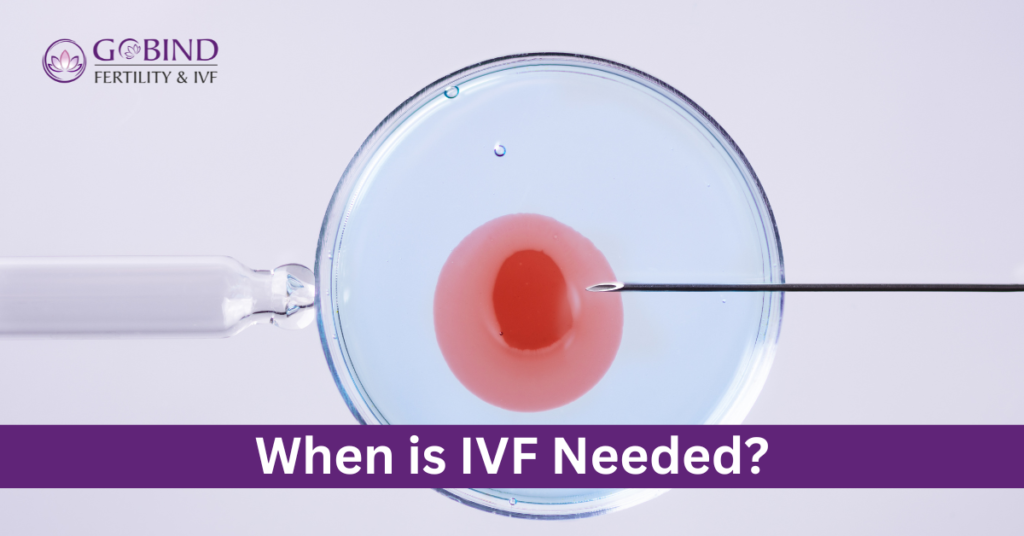
    When Is IVF Needed? Top Signs to Consider In Vitro Fertilization

  • The Ultimate Guide: Everything You Need to Know About PCOS
    The Ultimate Guide: Everything You Need to Know About PCOS

    PCOS Guide

    Polycystic Ovary Syndrome (PCOS) is a common hormonal disorder that affects women of reproductive age. If you have PCOS, you may be struggling with a range of symptoms that can significantly impact your daily life. However, with the right information and management strategies, you can take control of your PCOS and improve your overall health and well-being.

    This comprehensive guide will explore everything you need to know about PCOS, from its causes and symptoms to the latest treatment options and lifestyle recommendations. Whether you’ve just been diagnosed or have been living with PCOS for years, this article will provide you with the knowledge and tools to navigate your condition effectively.

    PCOS is a complex condition that affects the way your ovaries function. In PCOS, the ovaries may develop small collections of fluid (called follicles) and fail to release eggs regularly. This can lead to an imbalance of hormones, including an excess of androgens (male hormones), which can cause a variety of symptoms.

    PCOS is one of the most common endocrine disorders, affecting an estimated 5-10% of women of reproductive age. While the exact cause of PCOS is not fully understood, it is believed to be a combination of genetic and environmental factors.

    The exact causes of PCOS are not yet fully understood, but researchers believe that it is likely to be caused by a combination of genetic and environmental factors.

    Some of the known risk factors for PCOS include:

    1. Insulin resistance: Many women with PCOS have insulin resistance, which means their cells have trouble responding to the hormone insulin. This can lead to high levels of insulin in the body, which can contribute to the development of PCOS.
    2. Genetics: PCOS tends to run in families, suggesting that there may be a genetic component to the condition. If you have a close relative with PCOS, your risk of developing the condition is higher.
    3. Obesity: Being overweight or obese can increase your risk of developing PCOS. Excess body weight, especially around the abdomen, can contribute to insulin resistance and hormonal imbalances.
    4. Inflammation: Some research suggests that chronic inflammation in the body may play a role in the development of PCOS.
    5. Hormonal imbalances: PCOS is characterized by an imbalance of hormones, including an excess of androgens (male hormones) and a decrease in progesterone (a female hormone).

    Understanding the potential causes and risk factors of PCOS can help you take proactive steps to manage your condition and reduce your risk of complications.

    PCOS can manifest in a variety of ways, and the symptoms can vary from woman to woman. Some of the most common symptoms of PCOS include:

    • Irregular or absent menstrual periods
    • Excessive hair growth (hirsutism) on the face, chest, back, or abdomen
    • Acne, oily skin, or dandruff
    • Weight gain or difficulty losing weight
    • Darkening of the skin, particularly in the creases of the neck, armpits, and groin (acanthosis nigricans)
    • Mood changes, such as depression or anxiety
    • Fatigue and low energy levels
    • Infertility or difficulty getting pregnant

    It’s important to note that not all women with PCOS will experience all of these symptoms, and the severity of the symptoms can vary. If you are experiencing any of these symptoms, it’s important to speak with your gynaecologist for an accurate diagnosis and appropriate treatment.

    Diagnosing PCOS can be a complex process, as there is no single test that can definitively diagnose the condition. We at Gobind Fertility & IVF Centre will likely use a combination of the following methods to diagnose PCOS:

    • Medical history and physical examination: We will ask about your symptoms, medical history, and family history, and perform a physical examination to look for signs of PCOS, such as excess hair growth or acne.
    • Blood tests: We may order blood tests to measure your levels of hormones, including testosterone, luteinizing hormone (LH), and follicle-stimulating hormone (FSH). These tests can help identify hormonal imbalances associated with PCOS.
    • Pelvic ultrasound: A pelvic ultrasound can be used to look for the characteristic ovarian cysts that are often associated with PCOS. This test can also help rule out other potential causes of your symptoms.
    • Diagnostic criteria: To be diagnosed with PCOS, you must meet at least two of the following three criteria, as outlined by the Rotterdam criteria:
    • Irregular or absent menstrual periods
    • Evidence of excess androgen production (such as excess hair growth or acne)
    • Polycystic ovaries (as seen on an ultrasound)

    If left untreated, PCOS can lead to a variety of health complications, including:

    Infertility: PCOS is one of the leading causes of female infertility, as hormonal imbalances and irregular ovulation can make it difficult to become pregnant.

    Metabolic syndrome: Women with PCOS are at a higher risk of developing metabolic syndrome, which is a cluster of conditions that include high blood pressure, high blood sugar, high cholesterol, and excess abdominal fat.

    Type 2 diabetes: PCOS is closely linked to insulin resistance, which can increase the risk of developing type 2 diabetes.

    Cardiovascular disease: Women with PCOS have a higher risk of developing cardiovascular disease, including high blood pressure, high cholesterol, and heart disease.

    Sleep apnea: PCOS is associated with an increased risk of sleep apnea, a condition in which breathing repeatedly stops and starts during sleep.

    Endometrial cancer: Prolonged exposure to high levels of estrogen without the balancing effect of progesterone can increase the risk of endometrial cancer in women with PCOS.

    Psychological and emotional issues: The symptoms and complications of PCOS can take a toll on a woman’s mental and emotional well-being, leading to increased rates of depression, anxiety, and low self-esteem.

    It’s important to work closely with fertility experts like Dr Manju Khurana to manage your PCOS and reduce your risk of these potential complications.

    Treatment for PCOS typically involves a combination of lifestyle changes, medication, and, in some cases, surgical interventions. The specific treatment plan will depend on your individual symptoms, overall health, and goals. Some of the most common treatment options for PCOS include:

    • Maintaining a healthy diet and regular exercise routine
    • Losing weight if overweight or obese
    • Managing stress and getting enough sleep
    • Oral contraceptives to regulate menstrual cycles and reduce androgen levels
    • Metformin or other insulin-sensitizing drugs to improve insulin resistance
    • Anti-androgen medications to reduce the effects of excess androgens
    • Fertility medications to help with ovulation and pregnancy
    • Laparoscopic ovarian drilling, which can help restore ovulation
    • In vitro fertilization (IVF) for those struggling with infertility

    It is quite important to check closely with an expert doctor like Dr Manju Khurana- Senior IVF Specialist to develop a treatment plan that addresses your specific needs and goals. Regular follow-up appointments and ongoing monitoring are also crucial for managing PCOS effectively.

    One of the most significant challenges associated with PCOS is its impact on fertility. Due to the hormonal imbalances and irregular ovulation patterns, many women with PCOS experience difficulty conceiving.

    If you are trying to become pregnant and have PCOS, it’s important to work closely with a fertility expert to develop a fertility treatment plan that addresses your specific needs. Some common fertility treatments for women with PCOS include:

    • Ovulation-inducing medications, such as clomiphene citrate or letrozole, help stimulate regular ovulation.
    • Insulin-sensitizing medications, like metformin, improve insulin sensitivity and promote regular ovulation.
    • Assisted reproductive technologies, such as in vitro fertilization (IVF), for those who have not been able to conceive with other treatments.
    • Lifestyle changes, including weight loss, exercise, and stress management, can also improve fertility in women with PCOS.

    It’s important to note that while PCOS can make it more challenging to become pregnant, many women with PCOS can conceive and have healthy pregnancies with the right support and treatment. If you are struggling with fertility, don’t hesitate to speak about your options.

    PCOS is a complex and multifaceted condition that can have a significant impact on a woman’s physical, emotional, and mental health. However, with the right information, support, and management strategies, you can take control of your PCOS and live a healthy, fulfilling life.

    In this comprehensive guide, we’ve explored the various aspects of PCOS, from its causes and symptoms to the latest treatment options and lifestyle recommendations. By understanding your condition and taking proactive steps to manage it, you can reduce your risk of complications, improve your quality of life, and achieve your health and wellness goals.

    If you’re ready to take the next step in managing your PCOS, consider speaking with an expert doctor like Dr Manju Khurana who specializes in the condition. They can work with you to develop a personalized treatment plan and provide the support and guidance you need to thrive with PCOS.

  • The Difference Between IUI, IVF AND ICSI
    The Difference Between IUI, IVF AND ICSI

    Difference Between IUI, IVF AND ICSI | Gobind Fertility & IVF Centre

  • The Relationship Between Sleep and Fertility

    The Relationship Between Sleep and Fertility

    Relationship Between Sleep and Fertility

    • Abnormalities in the menstrual cycle
    • PMS or periods that hurt more
    • Longer times between conceptions
    • Not getting pregnant
    • Miscarriage
    • Low birth weights

    • Depression and moodiness
    • Absence of desire
    • Fatigue (that makes you choose sleep over sex)
    • Diminished effectiveness of the immune system
    • Increased inflammation

    1. Those who only sleep for four to six hours each night
    2. Sleepers with a moderate sleep schedule (7 to 9 hours)
    3. Sleepers that stay up late (9 to 11 hours)

    1. Requesting a shift exchange from your employer if you work nights or swing shifts while TTC.
    2. Even on the weekends, set regular “go to bed/wake up” timings to respect and reset your body’s circadian clock.
    3. Establish a bedtime “wind-down” ritual (taking a bath, using essential oils, listening to relaxing music, reading a book instead of using a device, etc.) to help your body and mind unwind and obtain a better night’s sleep.
    4. To start melatonin synthesis, turn down the lights and avoid using any screens for at least thirty minutes before bed. Your body interprets nearly all light, including blue light, as “daylight” and stops producing melatonin as a result.
    5. Avoid taking stimulants, such as alcohol or coffee, for at least a few hours before going to bed.

  • Specific Myths exist regarding IVF and other Assisted Reproduction Technologies

    Specific Myths exist regarding IVF and other Assisted Reproduction Technologies

    Fact: For spouses under the age of 35, the success rate of IVF is roughly 40-50%i if two embryos are transferred. The cumulative success rate of three IVF cycles can reach up to 75-80%.    According to IVF Specialist in Hisar, the success rate of IVF also depends on factors including age group, the cause of infertility, and natural as well as hormonal disorders. 

    Fact: There is very little chance that an IVF pregnancy would result in an abnormal child. Dr. Manju Khurana highlighted that the risk of an abnormal baby is unpredictable and that IVF kids are no different from the general population. 

  • How To Manage Stress During IVF Process

    How To Manage Stress During IVF Process

    tips to manage stress during IVF process

    • Concerned about the outcome of the operation
    • Concerned about not succeeding after conception
    • Concerned about the side effects, medication, and IVF shots
    • Concerned about the process overall 

    • Although there are strategies for the best stress management before, during, and even after the IVF procedure, these situations are quite legitimate. A handful of them that actually helped our patients at Gobind Fertility and IVF will be highlighted.
    • Go over the process inside and out. 
    • Be a helpful companion.
    • Engage in breathing techniques
    • Recognize your concerns 
    • Be open to receiving assistance from others
    • Engage in self-care 
    • Be transparent in communication
    • Pay attention to what you eat
    • Set reasonable expectations
    • Take a day at a time

  • About IVF and IVF’s psychological impact on individuals

    About IVF and IVF’s psychological impact on individuals

    IVF's Psychological impact on individuals

    • Ovulation abnormalities
    • when both tubes are blocked
    • A genetic disorder
    • Uterine fibroids
    • IVF is offered to women whose eggs are very less
    • Advanced age above 42.
    • In grade 3 and grade 4 endometriosis
    • In severe PCOS when other methods have failed.
    • In premature ovarian failure.
    • Male infertility -in severe male factor when sperm counts are much less
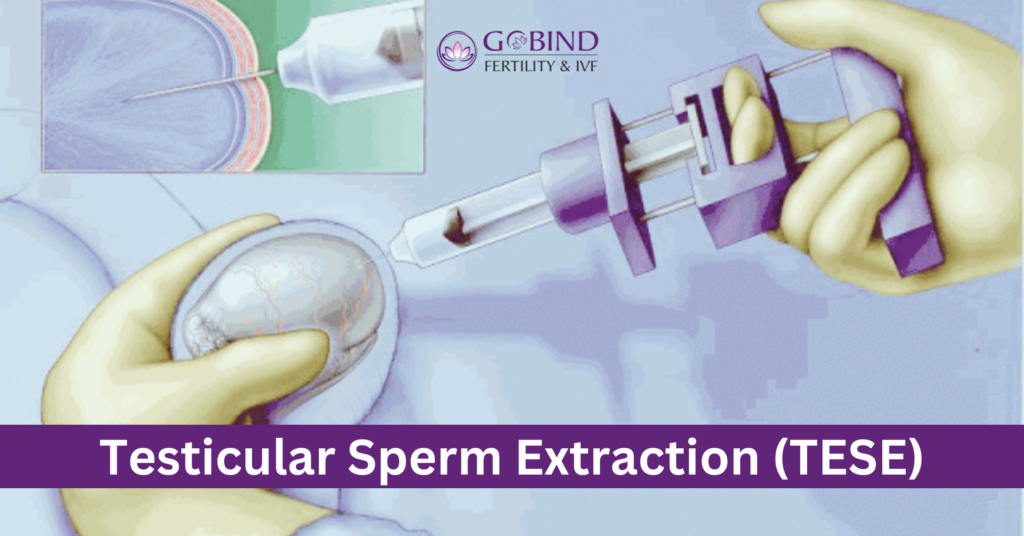
    • When sperms are in the testes only then IVF done(TESA) 
    • The count of eggs is lower than usual in low AMH.

    1. Ectopic Pregnancy: Ectopic pregnancy occurs when a fertilized egg implants outside the uterus, most commonly the fallopian tubes. This condition can be dangerous if not detected early, as it can lead to a rupture of the tube and severe internal bleeding. 
    2. Nausea: Nausea is a horrible feeling in your stomach that makes you feel like you might throw up.
    3. Bloating: Bloating is a common issue that many people experience, causing discomfort and a feeling of fullness in the abdomen.
    4. Fatigue: Fatigue can be a common experience for individuals undergoing in vitro fertilization (IVF) treatment. 
    5. Mood Swing: It is natural to experience a range of emotions during this time, including anxiety, sadness, and frustration.
    6. Allergic Reaction: When undergoing in vitro fertilization (IVF), some individuals may experience allergic reactions. These reactions can be triggered by various factors, such as the medications used during the process or materials in contact with the skin. 
    7. Pelvic Infection: Pelvic infections can pose a significant challenge for individuals undergoing in vitro fertilization (IVF). These infections can result from various factors, including pre-existing conditions, surgical procedures, or bacterial contamination.
    1. Coping with Failure: As you may be aware, IVF cycles don’t always result in a successful pregnancy, and dealing with failed attempts can be tough. Each unsuccessful outcome can bring disappointment, grief, and a sense of loss. Coping with these setbacks and finding the strength to keep going can be challenging but is essential.
    2. Emotional imbalance of IVF: The emotional challenges of infertility and the decision to pursue IVF treatment are best understood by those who have experienced it. IVF involves various treatment levels, and its psychological effects differ for everyone. Couples may feel a range of emotions, including anger, despair, frustration, sadness, guilt, jealousy, excitement, hope, and happiness. Both partners often experience depression, anxiety, and stress before treatment begins, which can intensify after a failed IVF attempt. Even with a successful outcome, it’s common for couples to feel anxious or stressed throughout the pregnancy, hoping for a smooth birth. Understanding and managing these emotions is crucial for couples undergoing IVF.
    3. Stree & Anxiety:  The IVF journey can be a tough road to travel. It’s filled with uncertainty, waiting periods, and lots of medical procedures. All of this can create a lot of pressure and strain to your mind. The strong desire to have a baby and all the ups and downs of each step in treatment can take a toll on everyone involved. The emotions can be like riding a rollercoaster, with highs and lows that can be hard to handle. It’s a journey, but many find it worth it in the end when they finally achieve their dream of starting a family.
    4. Impact on Relationships: The process of in vitro fertilization (IVF) can have a significant impact on relationships. The emotional and physical strain of undergoing fertility treatments, and the uncertainty of success Couples may experience feelings of frustration, disappointment, and stress as they navigate the ups and downs of IVF. Communication is key during this time, as open and honest conversations can help couples support each other and strengthen their bond. Partners need to be patient, understanding, and empathetic towards each other’s emotions and experiences throughout the IVF journey. 
    5. Making Tough Calls: Going through IVF treatment can be tough because you’re faced with some big decisions. You might have to choose how many embryos to put in, think about trying more treatments, or figure out what to do with any embryos. These choices aren’t easy, and they can bring up all sorts of feelings and thoughts. It is normal to feel overwhelmed, sad, or even unsure about what to do. Just remember, it’s okay to take your time and talk to your doctor or a counsellor if you need help figuring things out.
    6. Depression: Failed IVF attempts can lead to feelings of sadness and depression. The emotional toll of repeated attempts can be profound.
    • Practice Self-Care: Engage in activities that you enjoy and that help you relax. Taking time for yourself can improve your overall well-being
    • Professional counselling and psychological support are a vital part of a couple’s infertility journey. Our expert team at Gobind Fertility & IVF has professional counsellors who care for you and your partner’s feelings at every step of the process. 
    • Stay Positive: Focus on positive thoughts and outcomes. Keeping a positive mindset can help you cope with the emotional ups and downs of IVF.
    • Take Care of Your Physical Health: Maintain a healthy diet, exercise regularly, and get enough sleep. Physical well-being can significantly impact your emotional health. 
    • Communicate Openly: Maintain open communication with your partner, friends, and family. Sharing your feelings and concerns can help you feel supported and understood.
  • How Obesity Influences Fertility and Conception

    How Obesity Influences Fertility and Conception

    How Obesity influences fertility and conception
    Gobind Fertility & IVF Centre in Hisar

    effect of obesity on menstural cycle - Gobind Fertility & IVF

    Effect of obesity on sperm quality 
Gobind Fertility & IVF centre
    PCOS and Obesity- Gobind fertility & IVF Centre

  • Role of Nutrition and Diet in IVF Success

    Role of Nutrition and Diet in IVF Success

    Role of Nutrition & Diet in IVF Success
    1. Folate and Folic Acid: Folate- is found in leafy greens, citrus fruits, and legumes, which helps in  DNA synthesis and cell division. To avoid neural tube abnormalities in the growing baby, sufficient folate should be consumed. For women experiencing IVF process, folic acid, a synthetic version of folate, is frequently prescribed to support early embryo development and lower the chance of birth abnormalities.
    2. Omega-3 Fatty Acids: – The food items such as Fatty fish, flaxseed, and walnuts which have anti-inflammatory qualities and improves reproductive health. These important fats help in hormone production, control menstrual cycles, and promote normal ovarian function. Including these foods in your diet or taking supplements may help improve egg quality and boost the likelihood of successful embryo implantation during IVF.
    3. Antioxidants: – Another important nutrient is antioxidants such as vitamins C and E, selenium, and zinc which protect reproductive cells from free radical damage. In the context of IVF, antioxidants protect eggs and sperm from oxidative damage, increasing their viability and fertility potential. Consuming antioxidant-rich foods such as berries, nuts, seeds, and coloured fruits and vegetables can improve reproductive health and aid in IVF success.
    4. Protein: – It helps to build and repair tissues, including reproductive cells. Well, the women who undergo IVF process should consume the right amount of protein as it helps in follicle development, egg maturation, and embryo implantation. Moreover, lean protein sources, such as poultry, fish, eggs, tofu, and lentils, can supply the amino acids required for optimal reproductive function.
    5. Iron and Vitamin D:– Insufficient iron and vitamin D levels can lead to poor fertility and pregnancy outcomes. The person who is taking the treatment of IVF should consume an adequate amount of it. Furthermore, to avoid anaemia and improve reproductive health they should eat iron-rich meals such as red meat, chicken, lentils, fortified cereals etc. Besides to increase vitamin D level, they should consume fatty fish, eggs, and fortified dairy products etc.
    1. Maintain a Balance Ration: A well-rounded diet that includes a variety of nutrients is crucial for supporting overall health and fertility. Emphasize whole grains, fruits, vegetables, lean proteins, and healthy fats in meals to ensure you’re getting a broad spectrum of essential nutrients.
    2. Limit Processed Foods and Added Sugars: The consumption of excessive sugar leads to infertility, as it increases insulin resistance and creates hormonal abnormalities. Hence, it is recommended that if you want to stay fertile then you should avoid the excessive consumption of sugar snacks, refined grains and processed foods.
    3. Stay Hydrated: It is important to stay hydrated for a healthy reproductive life. To stay hydrated, you should consume a lot of water. However, you must restrict your caffeine and alcohol consumption to avoid hormonal balance and dehydration.
    4. Maintain a Healthy Body Weight: – In the modern era,  it is quite common, for everyone to have a hectic schedule due to which they do not pay attention to their diet. This results in overweight or underweight. So, this also becomes the reason for infertility and failure of IVF success rate. To avoid it, a proper lifestyle should be maintained which includes exercising regularly, a balanced diet etc.
    5. Seek Professional Guidance:– For a high success rate of IVF,  it is necessary to consult the best fertility specialist or a qualified dietitian. They can guide the patient on the best nutritional diet, supplements and dietary interventions etc. Moreover, if you are looking for the best fertility specialist in Hisar or a nearby area, then consult Gobind Fertility & IVF Centre.