
Category: Blog

  • How to Support Your Partner During IVF Treatment
    How to Support Your Partner During IVF Treatment

    How to Support Your Partner During IVF Treatment- A Guide by Gobind Fertility & IVF Centre
    How to Support Your Partner During IVF Treatment- A Guide by Gobind Fertility & IVF Centre

    In-vitro fertilization (IVF) can be an emotionally and physically demanding journey for couples. While the process comes with hope, it also brings stress, uncertainty, and numerous challenges. As a supportive partner, your role is crucial in ensuring your loved one feels cared for throughout this experience. In collaboration with Gobind Fertility & IVF Centre, here are some essential ways to support your partner during IVF treatment.

    Understanding the IVF process is the first step to being a supportive partner. Research the different stages of IVF, including ovarian stimulation, egg retrieval, fertilization, embryo transfer, and the two-week wait. Gobind Fertility & IVF Centre provides comprehensive information and counselling to help couples navigate the treatment. When you get the complete information regarding the IVF process, it will be easy to understand the complications and other things related to the process.

    IVF can be an emotional rollercoaster. Your partner may experience mood swings, anxiety, or moments of self-doubt. Listen to their concerns, validate their feelings, and offer reassurance. Avoid giving unsolicited advice and instead, be a comforting presence.

    Whenever possible, accompany your partner to consultations, scans, and procedures during the IVF journey. Your presence during the process can provide emotional support and help you stay informed about the treatment’s progress. It also shows your commitment to the journey.

    IVF involves a strict medication regimen, including hormone injections and supplements. Assist your partner by setting reminders, administering injections if needed, and understanding potential side effects. Side effects may include bloating, fatigue, and mood changes—your patience and care can make a difference to your partner.

    A healthy lifestyle can improve IVF success rates. Encourage nutritious eating, regular exercise, and stress management. At Gobind Fertility & IVF Centre, specialists provide personalized guidance on diet and lifestyle changes that benefit fertility treatments.

    Keep an open line of communication with your partner. Share your thoughts and fears while being mindful of their emotional state. A supportive conversation can strengthen your bond and help you both manage the ups and downs of the process.

    IVF can be stressful, so finding ways to relax together is essential. Consider meditation, yoga, or short getaways to help unwind. Some couples find counselling sessions at Gobind Fertility & IVF Centre helpful in managing stress and expectations.

    Read- How to Manage Stress During IVF process

    The IVF journey may not always go as planned. There may be setbacks, failed cycles, or delays. Your patience and positivity can keep your partner motivated. Celebrate small victories and remind each other of the shared goal.

    Simple gestures like a comforting hug, a massage, or holding hands can be reassuring. Physical affection can reduce stress and provide a sense of security during this emotionally intense period.

    While remaining hopeful, it’s essential to be prepared for all possibilities, including unsuccessful attempts. Discuss options with fertility specialist Dr Manju Khurana at Gobind Fertility & IVF Centre and keep an open mind about the next steps.

    Supporting your partner during IVF treatment requires patience, understanding, and love. Your unwavering presence can make the journey easier and strengthen your relationship. Gobind Fertility & IVF Centre is dedicated to guiding couples through every stage of IVF with expert care and compassionate support. By standing by your partner’s side, you can transform this challenging experience into a journey of resilience and hope.

  • Why Does a Woman’s Fertility Decline with Age?
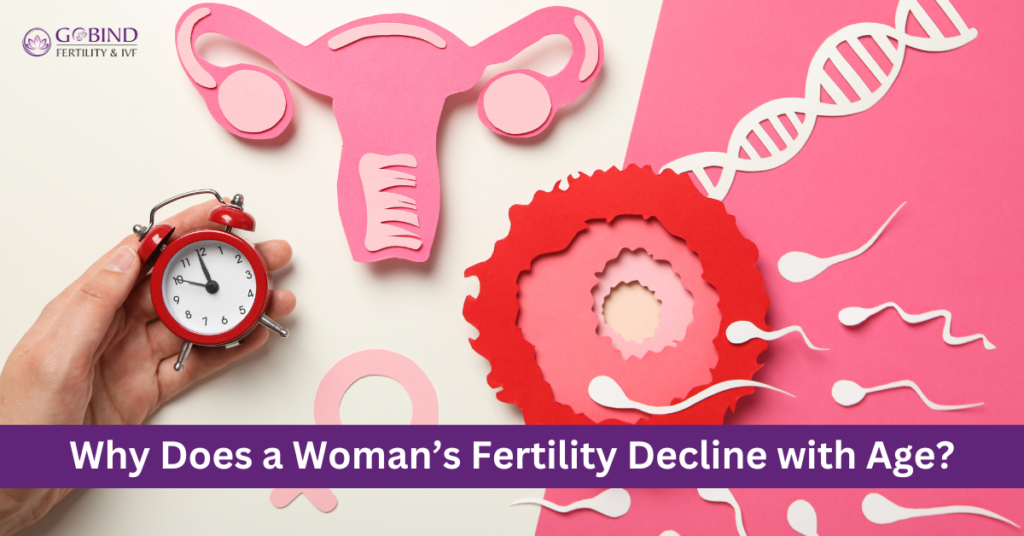
    Why Does a Woman’s Fertility Decline with Age?

    Why Does a Woman’s Fertility Decline with Age

    Fertility is one of the most crucial aspects of reproductive health, yet it is often not fully understood until challenges arise. Age is one of the most well-documented factors affecting a woman’s ability to conceive. But why does fertility decline as women grow older? Let’s explore the biological, hormonal, and lifestyle factors contributing to this natural process.

    Unlike men, who continuously produce sperm throughout their lives, women are born with a fixed number of eggs. A baby girl is born with approximately 1 to 2 million eggs in her ovaries. However, by the time she reaches puberty, this number has already declined to around 300,000 to 400,000. Throughout her reproductive years, she will ovulate about 300 to 500 of these eggs. As she ages, both the quantity and quality of her eggs diminish, reducing her chances of conception.

    Not only does the number of eggs decline, but their quality also deteriorates with age. Older eggs are more likely to have chromosomal abnormalities, which can lead to difficulties in conception, an increased risk of miscarriage, or genetic conditions such as Down syndrome. This is why women in their late 30s and 40s may experience more challenges when trying to conceive and face higher risks of pregnancy complications.

    As women age, their hormone levels fluctuate. A key hormone in reproduction is follicle-stimulating hormone (FSH), which helps regulate the growth and development of eggs in the ovaries. With age, FSH levels tend to rise as the body struggles to recruit healthy eggs for ovulation. Additionally, levels of estrogen and progesterone, which are essential for maintaining a healthy menstrual cycle and pregnancy, also decline, making conception more difficult.

    Ovarian reserve refers to the number and quality of eggs remaining in a woman’s ovaries. This reserve naturally declines with age, with a significant drop occurring after the age of 35. By the time a woman reaches menopause (typically around age 50), her ovarian reserve is nearly depleted, and natural conception is no longer possible.

    As women age, they become more susceptible to reproductive health conditions such as endometriosis, fibroids, and polycystic ovary syndrome (PCOS), all of which can negatively impact fertility. Additionally, conditions like diabetes, hypertension, and thyroid disorders, which become more prevalent with age, can also interfere with a woman’s ability to conceive and maintain a healthy pregnancy.

    Lifestyle choices and environmental exposures over time can also play a role in declining fertility. Factors such as smoking, excessive alcohol consumption, obesity, poor diet, and high levels of stress can further reduce fertility potential. While some lifestyle changes can improve reproductive health, they cannot fully counteract the natural decline in fertility due to ageing.

    While ageing is inevitable, there are steps women can take to preserve their fertility:

    • Egg Freezing: Women who wish to delay childbearing may consider freezing their eggs while they are still of high quality.
    • Healthy Lifestyle: Maintaining a balanced diet, regular exercise, and avoiding smoking and excessive alcohol consumption can support reproductive health.
    • Early Family Planning: Understanding fertility trends and considering earlier conception if possible can improve pregnancy success rates.
    • Medical Consultation: Women who are concerned about their fertility should seek advice from a fertility specialist Dr Manju Khurana to explore their options.

    Fertility declines with age is a natural biological process influenced by diminishing egg quantity and quality, hormonal fluctuations, and other health factors. While medical advancements offer some solutions, awareness and proactive planning are key for women who wish to conceive later in life. Understanding these changes can empower women to make informed decisions about their reproductive health and future family planning.

  • Understanding Recurrent Implantation Failure: Causes, Diagnosis, and Treatment
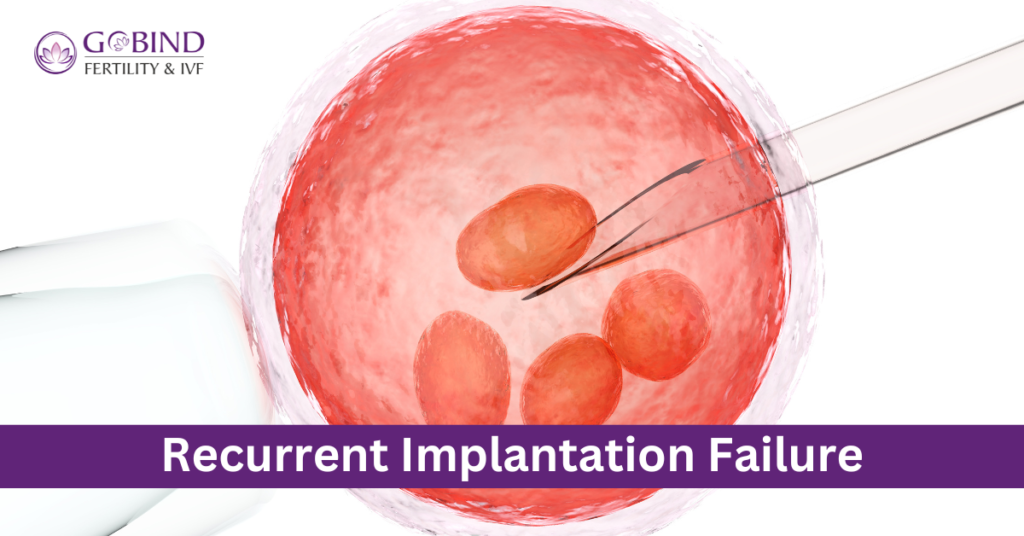
    Understanding Recurrent Implantation Failure: Causes, Diagnosis, and Treatment

    Recurrent Implantation Failure

    Recurrent Implantation Failure (RIF) is a distressing condition for couples undergoing assisted reproductive techniques, particularly In vitro fertilization (IVF). It is defined as the failure to achieve a clinical pregnancy after multiple embryo transfers with high-quality embryos. This condition affects about 10% of women undergoing IVF and can have various underlying causes.

    In this article, we will explore the causes, diagnostic approaches, and treatment options for Recurrent Implantation Failure.

    Recurrent Implantation Failure (RIF) is typically diagnosed when a woman fails to achieve a pregnancy after at least three IVF cycles or the transfer of four or more good-quality embryos. Implantation involves the embryo, the uterine lining (endometrium), and maternal immune factors. Any disruption in these factors can lead to implantation failure.

    The causes of RIF can be classified into embryonic and maternal factors:

    • Chromosomal Abnormalities: Embryos with chromosomal abnormalities are less likely to implant successfully. Preimplantation Genetic Testing (PGT) can help detect such issues.
    • Poor Embryo Quality: Despite being visually graded as high quality, some embryos may have intrinsic defects that hinder implantation.
    • Sperm DNA Fragmentation: High levels of DNA fragmentation in sperm can affect embryo quality and implantation potential.
    • Endometrial Receptivity Issues: The endometrium must be receptive at the time of implantation. A displaced window of implantation or inadequate endometrial thickness (<7mm) can lead to failure.
    • Uterine Abnormalities: Conditions like fibroids, polyps, adhesions, or congenital uterine anomalies (such as a septate uterus) can interfere with implantation.
    • Chronic Endometritis: A persistent low-grade uterine lining infection can disrupt implantation.
    • Abnormal Immune Responses: Overactive natural killer (NK) cells or imbalanced cytokine levels can create a hostile environment for the embryo.
    • Autoimmune Disorders: Conditions like antiphospholipid syndrome (APS) can lead to implantation failure by increasing blood clotting tendencies.
    • Progesterone Deficiency: Progesterone is crucial for preparing the endometrium for implantation.
    • Thyroid Disorders: Hypothyroidism or thyroid autoimmunity can negatively impact implantation.
    • Polycystic Ovary Syndrome (PCOS): Insulin resistance and hormonal imbalances in PCOS can reduce implantation success.
    • Smoking and Alcohol: These habits can impair egg and sperm quality.
    • Obesity: Excess weight can alter hormonal balance and endometrial receptivity.
    • Stress: High levels of stress can impact fertility hormones and implantation.

    Diagnosing RIF involves a thorough evaluation of both partners. Common diagnostic approaches include:

    • Preimplantation Genetic Testing (PGT): To identify chromosomal abnormalities in embryos.
    • Endometrial Receptivity Analysis (ERA): Determines the optimal implantation window.
    • Hysteroscopy: Examines the uterine cavity for abnormalities.
    • 3D Ultrasound or MRI: Detects structural uterine issues.
    • Thrombophilia Screening: Identifies clotting disorders that may affect implantation.
    • Immune Testing: Evaluates natural killer cell activity and other immune markers.
    • Sperm DNA Fragmentation Test: Assesses sperm quality beyond standard semen analysis.

    The treatment of RIF depends on the underlying cause. Here are some potential approaches:

    • Use of Preimplantation Genetic Testing (PGT-A): Ensures only chromosomally normal embryos are transferred.
    • Blastocyst Transfer: Allows better selection of embryos with higher implantation potential.
    • Assisted Hatching: Helps embryos with a thick zona pellucida break out and implant successfully.
    • Endometrial Scratching: This may enhance endometrial receptivity in some cases.
    • Hormonal Therapy: Progesterone supplements, thyroid hormone correction, or estrogen therapy to optimize the uterine environment.
    • Treatment of Chronic Endometritis: Antibiotic therapy if an infection is detected.
    • Platelet-Rich Plasma (PRP) Therapy: Experimental treatment to improve endometrial thickness.
    • Intravenous Immunoglobulin (IVIG) or Intralipid Therapy: For women with immune-related implantation failure.
    • Steroids (Prednisone): Helps suppress overactive immune responses.
    • Low-Dose Aspirin or Heparin: Used for women with blood clotting disorders like APS.
    • Weight Management: Achieving a healthy BMI can improve implantation chances.
    • Diet and Nutrition: A balanced diet rich in antioxidants, omega-3 fatty acids, and vitamins (like folic acid and vitamin D) may enhance fertility.
    • Stress Reduction: Practice such as yoga, acupuncture, or counselling may help.
    • Frozen Embryo Transfer (FET): Allows synchronization between embryo development and endometrial readiness.
    • Use of Donor Eggs or Sperm: In cases of severe egg or sperm quality issues.
    • Surrogacy: Considered for women with uterine factor infertility.

    Recurrent Implantation Failure is a challenging condition that requires a personalized and multidisciplinary approach. With advances in reproductive medicine, many women with RIF can achieve successful pregnancies through targeted treatments. If you have experienced repeated implantation failures, consulting one of the best fertility specialists Dr Manju Khurana for a comprehensive evaluation and tailored treatment plan is essential.

    By addressing the root causes and optimizing embryo and endometrial conditions, the chances of a successful pregnancy can be significantly improved.

  • 10 Tips for Post-IVF Transfer Care

    10 Tips for Post-IVF Transfer Care

    Tips for Post IVF Transfer Care

    Undergoing an In-Vitro Fertilization (IVF) transfer is an exciting yet delicate time for hopeful parents. The period after the embryo transfer is crucial for implantation and a successful pregnancy. Proper care and guidance from Gobind Fertility & IVF Centre specialists can improve your chances of success. Here are ten essential tips for Post-IVF transfer.

    While complete bed rest isn’t necessary, avoid strenuous activities. Light walking helps with circulation, which is beneficial for implantation. Follow your doctor’s advice regarding movement and exercise.

    Eating a balanced diet rich in protein, fibre, healthy fats, and antioxidants supports embryo implantation. Include leafy greens, nuts, whole grains, dairy, and lean meats.

    Drinking plenty of water ensures proper blood circulation, vital for embryo implantation. Avoid excessive caffeine and sugary drinks.

    Emotional stress can negatively impact IVF success rates. Engage in relaxing activities like meditation, deep breathing, or light yoga to maintain emotional well-being.

    Your doctor at Gobind Fertility & IVF Centre will prescribe medications such as progesterone to support implantation. Adhere to your medication schedule strictly to optimize success.

    Refrain from lifting heavy objects or engaging in high-intensity workouts. Excessive strain can affect implantation and increase the risk of complications.

    Stay hopeful and practice mindfulness. Surround yourself with supportive loved ones, engage in hobbies, and avoid unnecessary stressors.

    Avoid alcohol, smoking, and exposure to harmful chemicals. Take organic foods, minimize plastic use, and steer clear of processed foods.

    Aim for at least 7-9 hours of quality sleep. Proper rest supports hormonal balance and enhances your body’s ability to sustain pregnancy.

    Regular communication with your specialist at Gobind Fertility & IVF Centre ensures that any concerns or symptoms are promptly addressed. Attend follow-up appointments and adhere to medical advice.

    The post-IVF transfer phase is crucial, and following these ten tips can help improve implantation chances. With expert guidance from Gobind Fertility & IVF Centre, a healthy lifestyle, and a positive mindset, you increase the possibility of a successful pregnancy. Trust the process, take care of your health, and stay hopeful on your journey to parenthood.

  • IVF Myths and Facts

    IVF Myths and Facts

    ivf myths and facts given by dr manju khurana ivf specialist

    नि:संतान दंपतियों के लिए आईवीएफ सबसे वैज्ञानिक और सुरक्षित तकनीक है। लेकिन इसको लेकर दुनियाभर में खासकर भारत में कई तरह के मिथक (myths) प्रचलित हैं। वास्तव में, उनमें से अधिकांश इन विधियों के बारे में पर्याप्त जानकारी की कमी के कारण होती हैं। इस तरह की गलत धारणाओं को दूर करने से समाज में IVF की प्रक्रियाओं के बारे में फैली गलतफहमियों को दूर करने में भी मदद मिलेगी।

    इस संबंध में जो सबसे बड़ा सवाल अक्सर पूछा जाता है, वह यही है कि क्या आईवीएफ के जरिए पैदा हुआ बेबी नॉर्मल होता है? 

    यह सवाल इसलिए उठता है क्योंकि इसमें अंडों के फर्टिलाइजेशन (fertilization) की प्रक्रिया सामान्य नहीं होती। इसमें अंडों को लैब में फर्टिलाइज किया जाता है। फिर 2 से 5 दिन के भ्रूण (embryo) को गर्भाशय (uterus) में ट्रांसफर किया जाता है। 

    भले ही भ्रूण को लैब में तैयार किया जाता है, लेकिन भ्रूण का पूरा विकास मां के गर्भ (womb) में होता है। भ्रूण का विकास उसी तरह होता है, जैसे एक नॉर्मल प्रेग्नेंसी में होता है। इसलिए आईवीएफ के जरिए गर्भवती हुई महिला को पूरा वही अनुभव होता है, जो एक नॉर्मल प्रेग्नेंसी में होता है। बच्चे का शारीरिक और मानसिक विकास उसी तरह होता है, जैसा प्राकृतिक प्रेग्नेंसी में बच्चे का होता है। बच्चे का जन्म भी बिल्कुल नैचुरल तरीके से होता है। इसलिए यह धारणा पूरी तरह से गलत है कि आईवीएफ बेबी नॉर्मल नहीं होते। ये बेबी पूरी तरह से नॉर्मल होते हैं।   

    आईवीएफ को लेकर कुछ अन्य मिथक भी हैं। जिनका उल्लेख IVF विशेषज्ञ डॉ. मंजू खुराना ने किया है:

    IVF के बारे में Myths 

    फैक्ट- कई लोगों का यह मानना है कि आईवीएफ एक आर्टिफिशियल प्रोसेस है। हालांकि, यह पूरी तरह सच नहीं है। दरअसल, आईवीएफ विज्ञान और तकनीक की मदद से प्राकृतिक गर्भावस्था की प्रक्रिया में सहायता करता है। बाहरी वातावरण में इसके शुरुआती चरणों को करने के बाद यह प्रक्रिया प्राकृतिक तरीके से कपल को कंसीव करने में मदद करती है।

    फैक्ट – IVF वर्तमान में उपलब्ध कई सहायक प्रजनन विधियों (assisted reproductive technology) में से एक है। हिसार में गोबिंद फर्टिलिटी और IVF सेंटर की डॉ. मंजू खुराना के अनुसार, कई वैकल्पिक तकनीकें निःसंतान को गर्भवती होने में मदद कर सकती हैं, जैसे कि दवा के साथ ओव्यूलेशन इंडक्शन (OI), अंतर्गर्भाशयी गर्भाधान (IUI), और अन्य।

    फैक्ट – 35 वर्ष से कम आयु के पति-पत्नी के लिए, यदि दो भ्रूण transfer किए जाते हैं, तो आईवीएफ की सफलता दर लगभग 40-50% है। तीन आईवीएफ cycles की total सफलता दर 75-80% तक पहुँच सकती है। हिसार में आईवीएफ विशेषज्ञ डॉ. मंजू खुराना के अनुसार आईवीएफ की सफलता दर आयु वर्ग, infertility का कारण और प्राकृतिक और साथ ही हार्मोनल विकारों सहित कारकों पर भी निर्भर करती है।

    फैक्ट – आईवीएफ गर्भावस्था के परिणामस्वरूप असामान्य बच्चे के जन्म की बहुत कम संभावना है। डॉ. मंजू खुराना ने इस बात पर प्रकाश डाला कि असामान्य बच्चे का जोखिम unexpected है और आईवीएफ बच्चे normal fertilization चिल्ड्रन से अलग नहीं हैं।

    फैक्ट – आईवीएफ विशेषज्ञ डॉ. मंजू खुराना के अनुसार यह आईवीएफ से जुड़ा एक प्रचलित मिथक है। कई लोगों का ऐसा मनाना है कि आईवीएफ के दौरान कई भ्रूणों के ट्रांसफर होने के कारण जुड़वां या तीन बच्चों की संभावना बढ़ जाती है। हालांकि, यह सच नहीं है। इन दिनों सिंगल एंब्रियो ट्रांसफर ने एक से अधिक भ्रूण ट्रांसफर के जोखिम को काफी कम कर दिया है। यदि आप केवल एक ही गर्भधारण चाहते हैं, और आपने जुड़वां गर्भधारण किया है, तो भ्रूण में कमी की जा सकती है।

    फैक्ट – क्लिनिक में आमतौर पर अंडे एकत्र करने की प्रक्रिया के दौरान कुछ घंटों के लिए रुकना होता है। डॉक्टर के अनुसार, रोगी को केवल 4-6 घंटे के लिए भर्ती किया जाता है।

    फैक्ट – एक महिला के मासिक धर्म के दौरान लगभग 400, 000 अंडे होते हैं। उनमें से केवल 400 की ही पूरे जीवनकाल में आवश्यकता होती है। उनमें से लगभग बीस हर महीने सक्रिय होते हैं, लेकिन उनमें से केवल एक या दो ही उस बिंदु तक Mature होते हैं जहां उन्हें ओव्यूलेशन के दौरान छोड़ा जाता है। लगभग अठारह से उन्नीस abnormal अंडे नष्ट हो जाते हैं। 

    आईवीएफ में इन उत्कृष्ट अंडों के विकास को बनाए रखने की क्षमता है। जब एक महिला औसतन केवल 8-10 अंडे ही निकालती है, डॉक्टर उन्हें एस्पिरेट करते हैं और अंडाशय में भविष्य के लिए अभी भी कई अंडे होते हैं। डॉ. मंजू खुराना के अनुसार, यदि कोई दाता अंडे दान करता है, तो उसके अंडाशय में भविष्य के लिए अंडे होते हैं।

    फैक्ट –  आईवीएफ में भ्रूण को तैयार केवल बाहर किया जाता है। इसका विकास उसी तरह गर्भाशय में होता है, जैसा कि सामान्य प्रेग्नेंसी में होता है। इसलिए इसमें सिजेरियन की उतनी ही संभावना होती है, जितनी कि नॉमल प्रेग्नेंसी में होती है। 

    फैक्ट – अधिकांश अध्ययनों में आईवीएफ रोगियों में कैंसर में महत्वपूर्ण वृद्धि नहीं पाई गई है। डॉ. का कहना है कि मरीज़ों को व्यापक चिकित्सा इतिहास (medical history) मूल्यांकन से गुज़रना चाहिए और किसी भी प्रजनन परीक्षण या उपचार शुरू करने से पहले मैमोग्राम और पैप स्मीयर सहित सभी मानक स्वास्थ्य परीक्षाओं से गुज़रना चाहिए। हम सलाह देते हैं कि अपने मेडिकल इतिहास के बारे में किसी भी चिंता को अपने REI के साथ discuss करें।

    फैक्ट – महिला की उम्र, उसके अंडों और शुक्राणुओं की गुणवत्ता और final embryo सभी इस बात को प्रभावित करते हैं कि IVF कितना सफल होगा। implantation  की संभावना और महिला के शरीर की गर्भधारण करने की सामान्य शारीरिक तैयारी ट्यूबल structure और गर्भाशय की स्थिति से निर्धारित होती है। लगभग 40% जोड़े पहले प्रयास में ही गर्भधारण कर लेते हैं।

    फैक्ट – यह सबसे आम भ्रम है जिसे आपको तुरंत दूर कर देना चाहिए। बहुत कम महिलाओं ने थेरेपी के दौरान किसी भी तरह की असुविधा का अनुभव करने की सूचना दी है। सामान्य एनेस्थीसिया के तहत, पिक-अप और embryo transfer में लगभग 15 मिनट लगते हैं। मरीज 4-5 घंटे के बाद जा सकते हैं और अगले दिन नियमित गतिविधियों को फिर से शुरू कर सकते हैं। महिलाओं के बीच एक गलत धारणा है कि IVF इंजेक्शन दर्दनाक होते हैं, लेकिन यह सच नहीं है। दर्द को मापना मुश्किल है क्योंकि हर कोई योनि कैथीटेराइजेशन, अल्ट्रासाउंड और इंजेक्शन जैसी प्रक्रियाओं के प्रति अलग-अलग प्रतिक्रिया करता है। हालाँकि, आपको कोई अप्रत्याशित या गंभीर परेशानी नहीं होगी, और जो भी असुविधा होती है उसका इलाज किया जा सकता है।

    फैक्ट – आईवीएफ केवल प्रेग्नेंट होने की प्रक्रिया है। अगर एक बार भ्रूण गर्भाशय में आ गया तो इसके बाद बच्चे का विकास उसी तरह होता है, जैसा सामान्य प्रेग्नेंसी में होता है। यानी डॉक्टर जो काम सामान्य प्रेग्नेंसी में करना अलाऊ करता है, वही काम प्रेग्नेंट महिला अपने डॉक्टर की सलाह से आईवीएफ से हुई प्रेग्नेंसी के दौरान भी कर सकती है। 

    फैक्ट – कई लोगों का ऐसा मानना है कि सिर्फ बढ़ती उम्र के लोग भी इस प्रक्रिया का लाभ उठा सकते हैं। हालांकि, यह पूरी तरह सच नहीं हैं। आईवीएफ इनफर्टिलिटी से पीड़ित हर व्यक्ति के लिए एक विकल्प है। अक्सर इसका इस्तेमाल ऐसे कपल्क द्वारा किया जाता है, जो बढ़ती उम्र की चुनौतियों की वजह से प्राकृतिक रूप से कंसीव नहीं कर पाते हैं। हालांकि, ऐसे युवा कपल, जो इनफर्टिलिटी की वजह से पेरेंट्स नहीं बन पा रहे हैं, वह भी इसकी मदद ले सकते हैं।

    फैक्ट – यह धारणा भी पूरी तरह से गलत है। इनफर्टिलिटी से जूझ रहे कपल्स के लिए आईवीएफ एक वरदान है। हालांकि, यह इसकी इस प्रक्रिया में कोई गारंटी नहीं है कि इसकी मदद से आप शत-प्रतिशत कंसीव करेंगे। इसके तहत गर्भधारण की संभावना विभिन्न कारकों जैसे उम्र, स्वास्थ्य, भ्रूण की गुणवत्ता आदि पर निर्भर करती हैं। इसमें सफलता की गारंटी नहीं दी जा सकती।

    फैक्ट – आईवीएफ प्रोसेस में भी बायोलॉजिकल उम्र मायने रखती है. हेल्थ एक्सपर्ट्स के अनुसार 35 वर्ष की उम्र के बाद फर्टिलिटी कम होती जाती है. महिलाओं में बढ़ती उम्र के साथ फर्टिलिटी कम होती जाती है। ऐसे में आईवीएफ प्रोसेस के लिए महिला की उम्र और हेल्थ मायने रखती है।

    फैक्ट – अधिकतर लोग सोचते हैं कि आईवीएफ ट्रीटमेंट नेचर के खिलाफ है, लेकिन ये प्रोसेस निसंतान लोगों के लिए एक वरदान है. बच्चे को जन्म देना एक नेचुरल प्रोसेस है। आईवीएफ ट्रीटमेंट उन लोगों के लिए उम्मीद है जो नेचुरली कंसीव नही कर पाते हैं।

    फैक्ट – सामान्य तरीके से हुई प्रेग्नेंसी में भी अबॉर्शन की संभावना 10 फीसदी तक होती है। आईवीएफ में भी अबार्शन की संभावना इतनी ही होती है, ज्यादा नहीं। आईवीएफ केवल फर्टिलाइजेशन की प्रक्रिया है। बाद में इसमें सब वही फॉलो होता है, जो नॉर्मल तरीके से प्रेग्नेंसी में होता है। 

    फैक्ट :  इस तकनीक में अधिक उम्र की महिलाएं यहां तक कि मेनोपॉज के बाद भी महिलाएं प्रेग्नेंट हो सकती हैं। मेनोपॉज वाली महिलाओं को इसके लिए डोनर अंडों की जरूरत पड़ती है। 

    फैक्ट : हर महीने महिला की ओवरीज से 25 से 30 अंडे निकलते हैं। इनमें से फर्टिलाइजेशन के लिए केवल एक ही अंडा बड़ा होता है। बाकी सारे अंडे अपने आप खत्म हो जाते हैं। यह बड़ा अंडा भी अगर फर्टिलाइज नहीं होता है तो खत्म हो जाता है। आईवीएफ में ये सभी अंडे निकाल लिए जाते हैं। चूंकि ये वैसे भी खत्म होने हैं। इसलिए ऐसा बिल्कुल नहीं है कि अगर आईवीएफ के लिए अंडे निकाल लिए गए तो अगले महीने नहीं बनेंगे। ये अंडे अगले महीने फिर से बनेंगे। मेनोपॉज वाली धारणा भी गलत है। 

  • Hysterosalpingography (HSG) Procedure: Process, Advantages, and Risks

    Hysterosalpingography (HSG) Procedure: Process, Advantages, and Risks

    Hysterosalpingography (HSG) Process, Advantages, and Risks

    Hysterosalpingography (HSG) is a specialized medical imaging technique used to evaluate the uterus and fallopian tubes. This procedure is commonly performed in cases of infertility or recurrent pregnancy loss to assess abnormalities in the reproductive anatomy. Understanding the process, advantages, and potential risks associated with HSG can help individuals make informed decisions about their care.

    HSG is an outpatient procedure conducted in a radiology or gynaecology clinic. It involves X-ray imaging and a contrast dye to visualize the reproductive organs. The key steps include:

    1. Preparation:
      • The procedure is usually scheduled after menstruation but before ovulation (typically between days 7 and 10 of the menstrual cycle) to minimize the chance of pregnancy.
      • Patients may be advised to take an over-the-counter pain reliever, such as ibuprofen, an hour before the procedure to reduce discomfort.
      • Antibiotics may be prescribed to prevent potential infections.
    2. The Procedure:
      • The patient lies on an X-ray table, and a speculum is inserted into the vagina to expose the cervix.
      • A thin catheter is inserted through the cervix into the uterus. Once the catheter is in place, the speculum is removed.
      • A contrast dye is slowly injected through the catheter. This dye fills the uterus and fallopian tubes, highlighting their shape and structure on the X-ray images.
      • X-rays are taken in real-time, allowing the radiologist or gynaecologist to observe the dye’s flow.
      • The procedure typically takes 15-30 minutes.
    3. Post-Procedure:
      • After the HSG, the patient may experience mild cramping, spotting, or vaginal discharge as the dye is expelled.
      • Normal activities can usually be resumed immediately, but it’s advisable to avoid intercourse for 24-48 hours.

    HSG offers several benefits, particularly for individuals facing fertility challenges:

    1. Diagnosis of Structural Abnormalities:
      • The procedure can detect uterine abnormalities such as fibroids, polyps, adhesions, or congenital anomalies.
      • It identifies blockages in the fallopian tubes, which can prevent the sperm and egg from meeting.
    2. Minimally Invasive:
      • HSG is a non-surgical diagnostic tool, making it less invasive than laparoscopy.
    3. Therapeutic Potential:
      • In some cases, the injection of contrast dye can dislodge minor blockages in the fallopian tubes, improving fertility.
    4. Quick and Convenient:
      • The procedure is completed within a short time frame and does not require extensive recovery.
    5. Guidance for Further Treatment:
      • Results from HSG can guide fertility treatments, such as in-vitro fertilization (IVF) or corrective surgery.

    While HSG is generally safe, there are some potential risks to consider:

    1. Discomfort and Pain:
      • Many patients experience cramping during and shortly after the procedure. Severe pain is rare but may occur in cases of tubal blockage.
    2. Allergic Reactions:
      • A reaction to the contrast dye is uncommon but can occur in sensitive individuals. Symptoms may include itching, rash, or more severe reactions like difficulty breathing.
    3. Infection:
      • There is a small risk of developing a pelvic infection, particularly in individuals with a history of pelvic inflammatory disease (PID).
    4. Radiation Exposure:
      • Although the radiation dose is low, it is not recommended during pregnancy. This is why timing the procedure during the early menstrual cycle is critical.
    5. False Positives/Negatives:
      • HSG may not always provide conclusive results. Additional diagnostic tools, such as sonohysterography or laparoscopy, may be needed.

    HSG is recommended for individuals:

    • Experiencing difficulty conceiving after one year of unprotected intercourse (or six months if over age 35).
    • With a history of recurrent pregnancy loss.
    • Suspected of having uterine or tubal abnormalities.

    If You’re experiencing the same issues, consult our fertility expert Dr Manju Khurana at Gobind Fertility & IVF Centre in Hisar. 

    Hysterosalpingography is a valuable diagnostic procedure in the evaluation of female fertility. While the process may involve temporary discomfort, its ability to identify structural issues in the reproductive organs makes it an essential tool in fertility assessment.

    Patients should discuss their medical history, concerns, and goals with their fertility specialist to determine whether HSG is the right choice for them. By understanding the procedure, its benefits, and its risks, individuals can approach the process with greater confidence and clarity.

  • Advances in Fertility Preservation for Cancer Patients

    Advances in Fertility Preservation for Cancer Patients

    Advances in Fertility Preservation for Cancer Patients

    Cancer treatments such as chemotherapy and radiation, while life-saving, can often have adverse effects on fertility. This has led to significant advancements in the field of fertility preservation, providing hope and solutions for patients who wish to have children after their recovery. At the forefront of these advancements are dedicated fertility specialists and state-of-the-art centres, such as Gobind Fertility & IVF Centre, where experts like Dr Manju Khurana make a difference.

    Cancer therapies can negatively impact both male and female reproductive systems. For women, treatments may lead to diminished ovarian reserve, premature ovarian failure, or uterine damage. Men, on the other hand, may experience reduced sperm count, motility, or complete azoospermia. With increasing cancer survival rates, the demand for fertility preservation methods has grown exponentially, allowing survivors to achieve their family-building dreams.

    1. Egg and Embryo Freezing: Vitrification, a rapid freezing technique, has revolutionized egg and embryo cryopreservation. This method ensures high survival rates and maintains the integrity of eggs and embryos, making it a reliable option for women undergoing cancer treatment. Gobind Fertility & IVF Centre has adopted this cutting-edge technology, offering patients the best chances of future parenthood.
    2. Ovarian Tissue Cryopreservation: A promising option for prepubescent girls and women who cannot delay cancer treatment, ovarian tissue cryopreservation involves the surgical removal and freezing of ovarian tissue. Once the patient is in remission, the tissue can be reimplanted to restore fertility and hormonal function.
    3. Sperm Banking: For men, sperm banking remains a straightforward and effective fertility preservation method. Patients can deposit multiple samples, which are then frozen and stored for future use.
    4. Testicular Tissue Freezing: This experimental technique is aimed at preserving fertility in prepubescent boys who cannot produce mature sperm. Early trials have shown promising results, with the potential to develop viable sperm from stored tissue in the future.
    5. GnRH Agonists: Gonadotropin-releasing hormone (GnRH) agonists are medications used to suppress ovarian function during chemotherapy temporarily. This approach helps protect ovarian reserve and reduce the risk of premature ovarian failure.

    Fertility preservation is not just a medical journey but an emotional one. Gobind Fertility & IVF Centre emphasizes holistic care, offering counseling services to help patients cope with the stress and uncertainty of cancer treatment and fertility preservation. This integrated approach fosters hope and confidence, enabling patients to focus on their recovery.

    Gobind Fertility & IVF Centre has earned a reputation for offering personalized, evidence-based care. Led by renowned fertility expert Dr Manju Khurana, the centre provides a comprehensive range of fertility preservation services tailored to each patient’s unique needs.

    Dr Manju Khurana and her team employ the latest technologies and protocols to ensure optimal outcomes. With a compassionate approach, they guide patients through the complex decisions involved in fertility preservation, ensuring their emotional and physical well-being.

    Advancements in fertility preservation have transformed the landscape for cancer patients, empowering them to look beyond their diagnosis and plan for a fulfilling future. With cutting-edge techniques and dedicated fertility specialists like Dr. Manju Khurana, patients can access world-class solutions that prioritize their health and aspirations. As research continues, the horizon of fertility preservation promises even greater possibilities for cancer survivors.

  • The Role of Genetic Testing in Identifying Infertility Causes

    The Role of Genetic Testing in Identifying Infertility Causes

    Role of Genetic Testing in Identifying Infertility Causes

    Nowadays, Infertility is one of the most distressing issues faced by millions of couples worldwide. As medical technology advances, genetic testing has shown promising results in diagnosing the root causes of infertility. This diagnostic tool is now an essential part of fertility assessments, providing valuable insights into the genetic factors that may contribute to infertility. One of the leading fertility centres in Hisar helping couples navigate this journey is Gobind Fertility & IVF Centre, which utilizes genetic testing to tailor fertility treatments more effectively and improve patient outcomes.

    Genetic testing involves analyzing a person’s DNA to identify changes or mutations in genes that could affect reproductive health. These genetic mutations may cause a range of issues, such as reduced egg or sperm quality, implantation failure, and recurrent miscarriage. By identifying these genetic factors early on, fertility specialists can provide more precise and personalized treatment plans. At Gobind Fertility & IVF Centre, genetic testing is used as part of the infertility evaluation to detect underlying genetic abnormalities that could hinder natural conception.

    1. Carrier Screening: Carrier Screening identifies whether either partner carries genes for inherited disorders such as cystic fibrosis, sickle cell anaemia, or Tay-Sachs disease. It also helps in determining whether there’s an increased risk of passing on genetic disorders to the offspring, which can affect fertility outcomes.
    2. Karyotyping: Karyotyping is a genetic test used to analyze an individual’s chromosomes. It can detect chromosomal abnormalities that can cause infertility or miscarriage. At Gobind Fertility & IVF Centre, karyotyping is often recommended for individuals experiencing repeated miscarriages or unexplained infertility.
    3. Single Gene Testing: Single Gene Testing is used to evaluate specific genetic mutations that are linked to infertility, causing male factor infertility or ovarian reserve issues. Male infertility can sometimes be linked to genetic mutations in the Y chromosome, and women may have mutations that impact their ovarian function.
    4. Genetic Screening of Embryos (PGT-A): For couples undergoing in vitro fertilization (IVF), preimplantation genetic testing for aneuploidy (PGT-A) helps identify embryos with abnormal chromosome numbers. Gobind Fertility & IVF Centre uses advanced PGT-A technology and selects genetically healthy embryos to increase the chances of a successful pregnancy.
    1. Personalized Fertility Treatment Plans: Genetic testing enables fertility specialists to create customized treatment strategies based on the genetic makeup of the couple. For example, suppose one partner carries a gene that affects sperm quality. In that case, Dr Manju Khurana – one of the best Fertility specialists at Gobind Fertility & IVF Centre can recommend specific fertility treatments such as sperm retrieval techniques, IVF, or sperm donation.
    2. Improved IVF Success Rates: By using PGT-A and other genetic tests, fertility specialists can select the most viable embryos for transfer, reducing the risk of miscarriage and increasing the likelihood of a healthy pregnancy. 
    3. Early Identification of Genetic Disorders: For couples concerned about passing on genetic disorders to their children, genetic testing can identify potential risks before conception. 
    4. Reduced Emotional and Financial Burden: Fertility treatments can make anyone emotional. Genetic testing can help identify the most likely causes of infertility, allowing couples to pursue the most effective treatments early in the process. 

    As genetic testing continues to evolve, its role in identifying infertility causes is growing. Advances in genomic technologies promise precise and comprehensive tests that can predict fertility challenges before they arise. The future holds the potential for more non-invasive testing methods, such as blood tests, which could further simplify the diagnostic process.

    For couples facing infertility challenges, genetic testing provides a beacon of hope. Centres like Gobind Fertility & IVF Centre are leading the charge by integrating genetic testing into their services, offering couples a clearer understanding of their fertility issues and the best path forward.

    Genetic testing is a revolutionary tool in the diagnosis and treatment of infertility. It allows for a more thorough understanding of the genetic factors that can affect reproductive health, providing fertility specialists with the necessary information to design targeted, effective treatment plans. Whether through carrier screening, karyotyping, or PGT-A, genetic testing has transformed the way infertility is addressed, bringing new hope to many couples seeking to start or grow their families.

  • The Role of Genetics in Infertility: Understanding the Impact and Managing the Challenges

    The Role of Genetics in Infertility: Understanding the Impact and Managing the Challenges

    Role of Genetics in Infertility

    Infertility, defined as the inability to conceive after one year of unprotected intercourse, is a complex condition that affects millions of couples worldwide. While environmental factors, lifestyle choices, and medical conditions often take the spotlight in discussions about infertility, genetics plays a crucial role in many cases. Understanding the genetic factors that influence fertility can provide valuable insights for couples struggling to conceive and offer pathways to manage these challenges.

    Genetic factors can impact fertility in numerous ways, affecting both men and women. In some cases, genetic mutations or inherited conditions can directly impair reproductive health, while in other instances, they may indirectly contribute to infertility by influencing the functioning of reproductive organs.

    Certain genetic disorders can cause structural or functional abnormalities in the female reproductive system, leading to difficulties in conceiving. For example:

    • Turner Syndrome: A condition where women are born with only one X chromosome instead of two. This can result in ovarian failure, which means the ovaries do not produce eggs properly, leading to infertility.
    • Fragile X Syndrome: This genetic condition, often linked to intellectual disabilities, can cause early ovarian failure in women, drastically reducing their fertility potential.
    • Polycystic Ovary Syndrome (PCOS): While not strictly a genetic disorder, studies suggest a genetic component that predisposes women to PCOS, a condition that disrupts hormonal balance and can lead to irregular ovulation and difficulty getting pregnant.

    Genetic factors are just as influential in male fertility. Men with certain genetic mutations may experience reduced sperm production or poor sperm quality. Notable conditions include:

    • Klinefelter Syndrome: Men with this condition have an extra X chromosome (XXY instead of XY). It can lead to low testosterone levels, small testicles, and reduced sperm production, resulting in infertility.
    • Y-Chromosome Microdeletions: Men with deletions on their Y chromosome may have severely impaired sperm production, and sometimes, complete azoospermia (the absence of sperm in semen).
    • Cystic Fibrosis: This hereditary disorder primarily affects the lungs but can also lead to male infertility due to blockage or absence of the vas deferens (the tubes that carry sperm).

    Beyond genetic disorders, mutations in specific genes can lead to poor sperm quality. Variations in genes related to sperm function, such as the CFTR gene (linked to cystic fibrosis) or mutations affecting DNA repair in sperm cells, may reduce motility, morphology, or overall sperm count, making conception more challenging.

    As awareness grows about the role of genetics in infertility, genetic testing has become an increasingly important tool for couples experiencing difficulty conceiving. By identifying potential genetic causes of infertility, individuals and healthcare providers can make more informed decisions regarding treatment options.

    Genetic carrier screening allows individuals or couples to assess their risk of passing on inherited genetic conditions, including those that affect fertility. For example, women with a family history of conditions like Turner Syndrome or Fragile X syndrome might consider carrier screening before attempting to conceive. Similarly, men at risk for genetic conditions like cystic fibrosis or Klinefelter syndrome can benefit from testing. This knowledge helps individuals plan and take appropriate steps, such as utilizing assisted reproductive technologies or genetic counseling.

    For couples who have been struggling with infertility, doctors may recommend genetic testing to assess the likelihood of genetic factors contributing to their difficulties. Testing may involve:

    • Chromosomal Analysis: This can detect large chromosomal abnormalities like the presence of extra or missing chromosomes.
    • Single Gene Testing: For conditions that impact fertility, such as cystic fibrosis or Klinefelter syndrome.
    • Whole Exome Sequencing: A more comprehensive test that looks at the genetic code to identify mutations or rare genetic factors contributing to infertility.

    Genetic testing can provide a deeper understanding of the causes of infertility and guide the decision-making process for treatment options.

    While genetic factors may present a significant challenge for some couples, there are various approaches available to manage or overcome infertility caused by genetic issues.

    IVF has become one of the most successful treatments for infertility. In cases where genetic conditions are suspected, preimplantation genetic testing (PGT) can be employed to screen embryos for specific genetic conditions before implantation. This allows couples to choose embryos free of genetic disorders, thus improving the chances of successful pregnancy and reducing the risk of passing on certain genetic conditions.

    For individuals or couples facing infertility due to genetic conditions, using donated eggs or sperm from a healthy donor can be an option. This bypasses the genetic issue altogether and increases the likelihood of successful conception. Egg or sperm donors are thoroughly screened for genetic conditions, ensuring that the fertility treatment is as effective as possible.

    Couples dealing with genetic infertility may benefit from genetic counselling. This involves working with a genetic counsellor to understand the implications of any genetic issues identified through testing and explore available options. Counselling can help couples make informed choices about their reproductive options, whether that involves IVF, donor gametes, or adoption.

    While genetics plays a critical role in fertility, certain lifestyle changes may help mitigate some of its effects. For example:

    • Maintaining a Healthy Weight: Obesity and being underweight can influence fertility, and achieving a healthy weight can improve outcomes.
    • Smoking Cessation: Smoking has been shown to affect both sperm quality and egg quality negatively.
    • Limiting Environmental Toxins: Exposure to chemicals and environmental toxins can exacerbate fertility issues. Avoiding or reducing exposure to such toxins can improve reproductive health.

    As genetic research continues to advance, our understanding of its role in infertility will become even more refined. Emerging technologies like gene editing (CRISPR) hold promise for correcting genetic mutations that cause infertility, though ethical and regulatory questions will need to be addressed. Additionally, as genetic testing becomes more accessible, more couples will likely be able to make informed decisions earlier in their fertility journey.

    Conclusion

    Genetic factors play a significant role in fertility, influencing both male and female reproductive health. While certain genetic disorders can present substantial challenges for couples trying to conceive, advances in genetic testing and reproductive technologies provide powerful tools for managing infertility. By working with healthcare providers like Dr Manju Khurana at Gobind Fertility & IVF Centre utilizing options like IVF and genetic counseling, and making lifestyle adjustments, couples can optimize their chances of conception and navigate the challenges that genetic factors present. 

  • सही IVF केंद्र  का चयन : आशावान माता-पिता के लिए एक व्यापक मार्गदर्शिका

    सही IVF केंद्र  का चयन : आशावान माता-पिता के लिए एक व्यापक मार्गदर्शिका

    How to Choose the Right IVF centre

    इनविट्रो फर्टिलाइजेशन (IVF) की यात्रा शुरू करना एक बहुत ही व्यक्तिगत और भावनात्मक निर्णय है। बांझपन से जूझ रहे जोड़ों के लिए, सही IVF केंद्र का चयन करना माता-पिता बनने की उनकी खोज में बहुत बड़ा बदलाव ला सकता है। यह मार्गदर्शिका आपको IVF क्लिनिक चुनते समय विचार करने के लिए महत्वपूर्ण कारकों के बारे में बताएगी, जिससे आप अपनी अनूठी ज़रूरतों और आकांक्षाओं के अनुरूप एक सूचित निर्णय लेने में सक्षम होंगे।

    IVF केंद्रों का मूल्यांकन करते समय, सफलता दर अक्सर पहला मीट्रिक होती है जो हमारा ध्यान आकर्षित करती है। हालाँकि, सतही स्तर के प्रतिशत से परे देखना और यह समझना आवश्यक है कि इन संख्याओं का वास्तव में क्या मतलब है।

    आयु-विशिष्ट सफलता दर (Age-specific success rates): ऐसे क्लीनिकों की तलाश करें जो आयु समूहों के अनुसार सफलता दर प्रदान करते हैं, क्योंकि उम्र के साथ प्रजनन क्षमता कम हो जाती है।

    जीवित जन्म दर (Live birth rates): केवल गर्भावस्था दरों के बजाय जीवित जन्म दरों पर ध्यान दें, क्योंकि यह IVF उपचार का अंतिम लक्ष्य है।

    राष्ट्रीय औसत से तुलना (Comparison to national averages): व्यापक दृष्टिकोण के लिए देखें कि क्लिनिक की सफलता दर राष्ट्रीय औसत से कैसे तुलना करती है।

    याद रखें, उच्च सफलता दर हमेशा बेहतर क्लिनिक का संकेत नहीं देती है। कुछ केंद्र अपने द्वारा स्वीकार किए जाने वाले रोगियों के बारे में चयनात्मक होने के कारण उच्च दर प्राप्त कर सकते हैं। यह चर्चा करना महत्वपूर्ण है कि आपका विशिष्ट मामला उनके आँकड़ों में कैसे फिट बैठता है।

    आईवीएफ उपचार एक महत्वपूर्ण वित्तीय निवेश हो सकता है। इसमें शामिल लागतों और आपके बीमा कवरेज विकल्पों को समझना एक सूचित निर्णय लेने के लिए महत्वपूर्ण है।

    पारदर्शी मूल्य निर्धारण (Transparent pricing) : ऐसे क्लीनिकों की तलाश करें जो सभी प्रक्रियाओं और दवाओं के लिए स्पष्ट, मदवार लागत विवरण प्रदान करते हों।

    बीमा कवरेज (Insurance coverage): जाँच करें कि क्या क्लिनिक आपके बीमा प्रदाता के साथ काम करता है और कौन से विशिष्ट उपचार कवर किए जाते हैं।

    वित्तपोषण विकल्प (Financing options): लागत प्रबंधन में मदद के लिए उपलब्ध भुगतान योजनाओं या अनुदानों के बारे में पूछताछ करें।

    प्रो टिप: प्रतिबद्ध होने से पहले नियमों और शर्तों की सावधानीपूर्वक समीक्षा करें।

    प्रजनन चिकित्सा का क्षेत्र लगातार विकसित हो रहा है। नवीनतम तकनीकों में निवेश करने वाले क्लीनिक अक्सर बेहतर परिणाम और अधिक व्यक्तिगत उपचार योजनाएँ प्रदान करते हैं।

    देखने लायक प्रमुख तकनीकी प्रगति में शामिल हैं:

    प्रीइम्प्लांटेशन जेनेटिक टेस्टिंग (PGT): आनुवंशिक असामान्यताओं के लिए भ्रूण की जांच करने की अनुमति देता है।

    समय-अंतराल भ्रूण निगरानी (Time-lapse embryo monitoring): संस्कृति वातावरण को परेशान किए बिना भ्रूण के विकास का निरंतर अवलोकन प्रदान करता है।

    उन्नत क्रायोप्रिजर्वेशन तकनीक (Advanced cryopreservation techniques): जमे हुए अंडों और भ्रूणों के लिए बेहतर उत्तरजीविता दर सुनिश्चित करता है।

    क्लिनिक द्वारा उपयोग की जाने वाली विशिष्ट तकनीकों और वे आपके उपचार को कैसे लाभ पहुँचा सकती हैं, इसके बारे में पूछने में संकोच न करें।

    मेडिकल टीम की विशेषज्ञता आपके IVF सफर को महत्वपूर्ण रूप से प्रभावित कर सकती है। क्लीनिक का मूल्यांकन करते समय, प्रजनन चिकित्सा में टीम के सामूहिक अनुभव के बारे में पूछें। चल रहे शोध या व्यावसायिक विकास गतिविधियों में उनकी भागीदारी के बारे में पूछें।

    याद रखें, एक अच्छा डॉक्टर-रोगी संबंध महत्वपूर्ण है। क्लिनिक की संचार शैली और रोगी देखभाल के दृष्टिकोण को समझने के लिए परामर्श शेड्यूल करें।