
Category: Blog

  • The Importance of Sleep and Stress Management in Fertility
    The Importance of Sleep and Stress Management in Fertility

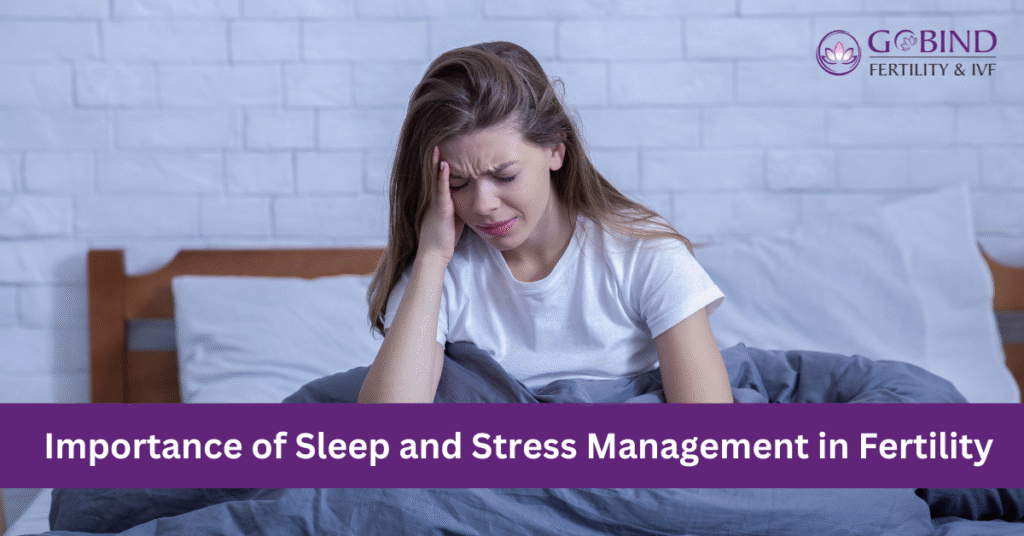
    A girl on bed stressed due to sleep - in this article Dr Manju khurana has ex how to manage the sleep and stress in fertility

    In today’s fast-paced world, the pressures of modern life can silently affect numerous aspects of health, especially fertility. While diet, age, and genetics often take centre stage in discussions about reproductive health, two often-overlooked factors—sleep and stress management—play crucial roles in fertility for both men and women. The increasing cases of infertility across the globe have drawn attention to these lifestyle elements, prompting experts and fertility centres, including Gobind Fertility & IVF Centre, to highlight the importance of sleep and stress management in fertility success.

    Sleep is not merely a time for the body to rest—it is a period during which vital hormonal processes occur. For those trying to conceive, this biological downtime becomes particularly critical.

    1. Hormonal Balance: During sleep, the body regulates hormones like melatonin, cortisol, and the reproductive hormones—estrogen, progesterone, luteinizing hormone (LH), and follicle-stimulating hormone (FSH). Disruptions in sleep patterns can lead to hormonal imbalances that directly affect ovulation in women and sperm production in men.
    2. Impact on Ovulation: Poor sleep or irregular sleep cycles can interfere with the menstrual cycle and reduce the chances of ovulation. Studies suggest that women with sleep disturbances have lower fertility rates, likely due to alterations in LH surges essential for releasing an egg.
    3. Male Fertility and Sleep: Sleep deprivation can also impact sperm quality and testosterone levels. Research shows that men who sleep less than 6 hours a night have significantly lower sperm counts and reduced motility compared to those who sleep between 7–8 hours.

    At Gobind Fertility & IVF Centre, sleep hygiene is an integral part of fertility counselling. The centre’s fertility experts emphasise regular sleep schedules, reduced screen time before bed, and mindfulness practices to improve sleep quality, which in turn can enhance reproductive health.

    Stress is another significant barrier to conception, often underestimated by those trying to start a family. Chronic stress triggers a cascade of hormonal changes that can disrupt fertility.

    1. Cortisol and Reproductive Hormones: When under stress, the body releases cortisol, the primary stress hormone. Elevated cortisol levels can suppress the release of gonadotropin-releasing hormone (GnRH), which is essential for the menstrual cycle and sperm production. This can lead to irregular periods, anovulation, and reduced sperm quality.
    2. The Vicious Cycle: Couples facing fertility challenges often experience emotional stress, creating a vicious cycle—stress leads to reduced fertility, and the struggle with infertility leads to more stress.
    3. Mental Health and IVF Success Rates: Mental health is strongly linked to the success of fertility treatments. Anxiety and depression can negatively affect the outcome of assisted reproductive technologies (ART), like in-vitro fertilisation (IVF). At Gobind Fertility & IVF Centre, mental well-being is addressed alongside physical health, ensuring couples receive comprehensive care.

    It is essential to understand that sleep and stress are not isolated variables. Poor sleep increases stress, and high stress levels can disturb sleep. This cyclical relationship can severely impair hormonal functions that regulate reproduction. Therefore, managing one often helps improve the other.

    Adopting lifestyle changes aimed at improving sleep and reducing stress can significantly enhance fertility outcomes. Below are some evidence-based strategies:

    • Go to bed and wake up at the same time daily.
    • Avoid stimulants like caffeine in the evening.
    • Create a relaxing bedtime routine—reading, taking a warm bath, or practising deep breathing.
    • Yoga and Meditation: Regular yoga and mindfulness meditation help lower cortisol levels and support hormonal balance.
    • Cognitive Behavioural Therapy (CBT): Effective in treating anxiety and depression, CBT can also help individuals navigate the emotional stress associated with infertility.
    • Physical activity helps reduce stress, promote better sleep, and regulate hormones. However, intense workouts may negatively affect fertility, especially in women, so balance is key.
    • A healthy, balanced diet supports sleep quality and reduces inflammation associated with stress.
    • Certain foods like nuts, leafy greens, fatty fish, and berries are known to reduce cortisol levels.
    • Sometimes lifestyle changes aren’t enough. In such cases, consulting a specialist is crucial. Gobind Fertility & IVF Centre provides access to in-house counsellors and therapists who work closely with patients to address sleep issues and emotional stress, enhancing their fertility journey.

    What sets Gobind Fertility & IVF Centre apart is its holistic, patient-centric approach to fertility. Recognising that fertility is not solely a medical condition but also a lifestyle-dependent issue, the centre incorporates sleep assessment and stress management protocols into their treatment plans.

    From offering guided relaxation sessions to personalised counselling, Gobind Fertility believes in nurturing both the mind and body. Couples are educated on the importance of quality sleep and given practical tools to manage their stress throughout the fertility process. This integrated approach has not only led to higher IVF success rates but also improved the overall well-being of couples.

    Infertility is a complex issue influenced by numerous factors, including sleep quality and stress levels. While advanced medical treatments such as IVF and IUI play a vital role in conception, no fertility plan is complete without addressing the lifestyle elements that underpin hormonal health.

    Improving sleep and reducing stress are not just supportive measures—they are essential components of reproductive health. Whether you’re just beginning your fertility journey or have been navigating it for some time, incorporating healthy sleep and stress-reduction practices can make a significant difference.

    As Gobind Fertility & IVF Centre emphasises, treating the root cause and creating a supportive, calming environment can go a long way in turning the dream of parenthood into reality. In the end, taking care of your emotional and physical well-being is one of the most powerful tools in your fertility toolkit.

  • Nutrition and Fertility: Foods That Boost Reproductive Health
    Nutrition and Fertility: Foods That Boost Reproductive Health

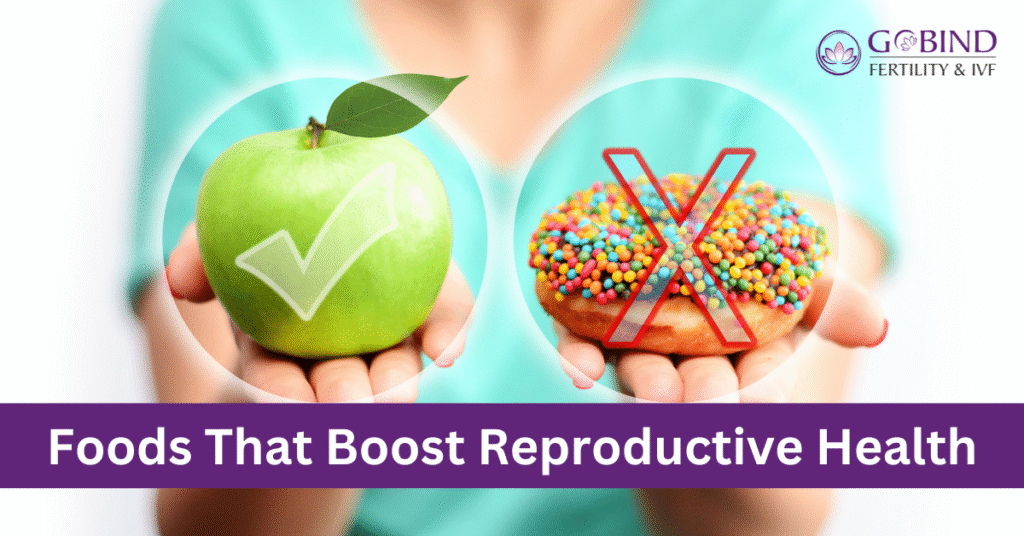
    Your diet may be the most powerful tool in your fertility journey.

    Fertility is influenced by various factors—age, genetics, lifestyle choices, environmental exposures, and more. However, one critical yet often overlooked factor is nutrition. The food we eat plays a foundational role in hormone regulation, egg and sperm quality, ovulation, and overall reproductive health.

    For couples trying to conceive, optimising nutrition can significantly improve the chances of natural conception and support outcomes of fertility treatments like IVF. This article explores the vital connection between nutrition and fertility and identifies specific foods that can boost reproductive health in both men and women.

    The body requires essential nutrients to produce hormones, maintain ovulatory cycles, develop healthy eggs and sperm, and prepare the uterus for implantation. A nutrient-rich diet can improve:

    • Hormonal balance
    • Egg and sperm quality
    • Blood flow to reproductive organs
    • Insulin regulation (in conditions like PCOS)
    • Healthy weight maintenance

    Conversely, poor eating habits, excessive sugar, trans fats, and processed foods can lead to hormonal imbalances, inflammation, and even conditions like anovulation and poor sperm motility.

    These are rich in folate, a B-vitamin essential for ovulation and early fetal development. Folate also supports healthy DNA synthesis and reduces the risk of neural tube defects in pregnancy.

    Berries are loaded with antioxidants that combat oxidative stress, which can damage eggs. Their anti-inflammatory properties also support hormone regulation.

    Some studies suggest full-fat dairy is better for female fertility compared to low-fat versions. Whole milk, full-fat yoghurt, and cheese may reduce the risk of ovulatory infertility.

    Whole grains like oats, quinoa, brown rice, and whole wheat provide steady energy and support blood sugar regulation. This is crucial in managing conditions like PCOS (Polycystic Ovary Syndrome), a leading cause of infertility.

    Healthy fats are critical for hormone production and egg quality. Omega-3 fatty acids, found in flaxseeds, chia seeds, and walnuts, support reproductive hormone balance.

    Eggs are a fertility superfood, rich in protein, vitamin D, B12, and choline—all essential for reproductive health and fetal development.

    Zinc is crucial for testosterone production and sperm development. Oysters are the richest source, but pumpkin seeds, chickpeas, and beef are also excellent.

    Selenium is a mineral that supports sperm motility and reduces oxidative stress in sperm cells. Just a few Brazil nuts a day can provide the recommended daily amount.

    Rich in lycopene, an antioxidant that may increase sperm count and improve motility. Cooked tomatoes or tomato-based products offer the highest bioavailability.

    Vitamin C helps protect sperm from oxidative damage and can improve sperm count and quality.

    Just like women, men need folate for healthy sperm DNA. Low folate levels are linked to poor sperm function and lower fertility rates.

    Fatty fish are excellent sources of omega-3 fatty acids, which improve blood flow to reproductive organs and support sperm structure.

    Maintaining hormone balance is key to fertility. These foods help regulate estrogen, progesterone, insulin, and other reproductive hormones:

    • Flaxseeds – Rich in lignans, which help balance estrogen.
    • Cruciferous vegetables (broccoli, cauliflower, Brussels sprouts) – Help the body metabolize excess estrogen.
    • Turmeric – Anti-inflammatory and may reduce endometriosis-related pain.
    • Cinnamon – Especially helpful for women with PCOS; supports insulin sensitivity.
    • Whole-grain toast with avocado, poached egg, and a handful of spinach.
    • Greek yogurt with mixed berries, chia seeds, and honey.
    • Quinoa salad with chickpeas, cherry tomatoes, cucumber, olive oil, and lemon.
    • Grilled salmon with sweet potato and steamed broccoli.
    • Brazil nuts and walnuts
    • Smoothie with almond milk, banana, spinach, flaxseeds, and berries
    • Lentil curry with brown rice and sautéed kale
    • Stir-fried tofu with mixed vegetables and sesame oil

    While certain foods can enhance fertility, others can have a negative impact:

    Found in processed snacks and baked goods, trans fats promote inflammation and insulin resistance, both of which are harmful to fertility.

    High sugar intake can lead to insulin resistance and hormonal imbalances, particularly problematic in PCOS.

    Limit caffeine intake to 200-300 mg per day (about 1-2 cups of coffee), as excessive caffeine may hinder conception.

    Even moderate alcohol consumption may affect ovulation and sperm quality. Couples trying to conceive should limit or avoid alcohol altogether.

    Processed foods often lack essential nutrients and contain preservatives and additives that may disrupt hormone function.

    While whole foods should be the foundation of a fertility-focused diet, supplements may be necessary to fill nutritional gaps. Common fertility supplements include:

    • Folic acid
    • Vitamin D
    • Omega-3 fatty acids
    • Coenzyme Q10 (especially for egg quality)
    • Zinc and Selenium (especially for male fertility)

    Before starting any supplement, consult with a fertility specialist or nutritionist for proper dosing and compatibility with your needs.

    Nutrition is not a magic cure, but it is a powerful ally in the fertility journey. Making intentional food choices can improve reproductive health, support hormone balance, and even enhance the success of assisted reproductive techniques.

    At fertility centres like Gobind Fertility & IVF Centre, nutritional counselling is often part of a comprehensive treatment plan. Patients are encouraged to adopt balanced, nutrient-rich diets to complement medical therapies and improve overall reproductive outcomes.

    Whether you’re planning to conceive naturally or undergoing fertility treatments, what you eat truly matters. Investing in your nutritional health today lays the foundation for a healthy pregnancy and a brighter future.

  • Top 10 Questions to Ask Your Fertility Doctor
    Top 10 Questions to Ask Your Fertility Doctor

    Navigating fertility treatment can be both overwhelming and emotional. Whether you’re just beginning your journey or already undergoing tests or treatments, one of the most important steps is having an open and informed discussion with your fertility doctor. The right questions can provide clarity, set realistic expectations, and help you feel more empowered.

    Here are the top 10 essential questions you should ask your fertility doctor during your consultation:

    Understanding the root cause is the first step toward treatment. Ask your doctor what potential factors may be contributing to your fertility struggles — whether it’s related to ovulation, sperm quality, fallopian tubes, endometriosis, PCOS, age, or unexplained infertility.

    Fertility evaluation involves a series of tests for both partners. These may include:

    • Hormonal blood tests (e.g., AMH, FSH, LH)
    • Pelvic ultrasound
    • Hysterosalpingography (HSG)
    • Semen analysis for the male partner

    Knowing what to expect helps you prepare mentally and physically.

    Every couple’s journey is different. Depending on your diagnosis, age, and health, your doctor may recommend:

    • Lifestyle modifications
    • Ovulation induction
    • Intrauterine insemination (IUI)
    • In-vitro fertilization (IVF)
    • Intracytoplasmic sperm injection (ICSI)
    • Donor sperm/eggs or surrogacy

    Understanding the options helps you make informed decisions.

    Success rates can vary based on age, cause of infertility, and type of treatment. Ask for statistics that apply specifically to your age group and diagnosis, not just general clinic averages.

    Fertility treatments may require more than one cycle. Ask how many cycles are typically attempted before moving to the next step and what the cumulative success rates look like.

    Every procedure has potential side effects, whether it’s related to hormone medications, egg retrieval, or embryo transfer. Discuss both short-term side effects and long-term risks, such as ovarian hyperstimulation syndrome (OHSS).

    Your doctor may suggest changes to improve fertility outcomes, including:

    • Maintaining a healthy weight
    • Limiting alcohol or caffeine
    • Avoiding smoking
    • Managing stress
    • Incorporating fertility-friendly nutrition

    Small changes can make a big difference.

    Fertility treatments can be expensive. Get a detailed breakdown of cost,s including:

    • Consultations
    • Lab tests
    • Medications
    • Procedures (IUI, IVF, etc.)
    • Embryo freezing or storage (if applicable)

    Also, ask if insurance covers any part of the treatment. 

    Fertility struggles can take a toll on mental health. Inquire whether the clinic offers:

    • In-house counseling
    • Support groups
    • Mental health professionals or therapists

    Emotional well-being is a crucial part of your journey. Our counsellors at Gobind Fertility & IVF centre are always there to guide, motivate you and your partner. 

    It’s important to have a plan B. Ask what comes next if the first round isn’t successful — whether it’s adjusting the protocol, trying a different treatment, or exploring donor options. This helps set realistic expectations and reduce stress.

    Final Thoughts

    Preparing for a fertility consultation with the right questions ensures you make the most of your time and receive comprehensive care. Be open and honest about your concerns, and don’t hesitate to ask for clarification when needed. Remember, no question is too small when it comes to your health and future.

    Your fertility journey is unique, and we at Gobind Fertility & IVF Centre is there to guide and support you at every step.

  • How to Mentally Prepare for Your First Fertility Consultation
    How to Mentally Prepare for Your First Fertility Consultation

    Walking into your first fertility consultation can feel overwhelming. Hope, fear, excitement, and uncertainty may be rolled into one. Whether you’ve been trying to conceive for a while or taking a proactive step toward future family planning, it’s natural to feel a mix of emotions. Preparing yourself mentally for this journey is just as important as preparing physically.

    Here’s a comprehensive guide to help you approach your first fertility consultation—especially if you’ve booked it with Gobind Fertility & IVF Centre—with a clear mind and a confident heart.

    Before you even step into Gobind Fertility & IVF Centre, take time to acknowledge how you’re feeling. It’s okay to be anxious, frustrated, hopeful, or confused. These emotions are valid and common among people facing fertility challenges. By naming your emotions, you allow yourself the space to process them instead of letting them build up internally.

    Tip: Journaling your thoughts or talking to a trusted friend or therapist can help you process your feelings ahead of your appointment.

    A little research can go a long way in helping you feel empowered and informed. Understand basic terms like IUI (Intrauterine Insemination), IVF (In Vitro Fertilisation), AMH (Anti-Müllerian Hormone), and ovulation tracking. Knowing what to expect can reduce anxiety.

    If you’re visiting Gobind Fertility & IVF Centre, their website or consultation team can offer trusted resources and explanations tailored to your specific situation.

    Being mentally prepared also means being organised. Your fertility specialist at Gobind Fertility & IVF Centre will likely ask detailed questions about your:

    • Menstrual history
    • Past pregnancies (if any)
    • Birth control use
    • Medical history (including surgeries, STIs, or chronic conditions)
    • Lifestyle habits (smoking, alcohol, caffeine, diet, stress levels)

    Tip: Make a list of current medications and supplements you’re taking and gather relevant medical records in advance.

    It’s important to walk into your first consultation with an open mind. The appointment at Gobind Fertility & IVF Centre may include basic evaluations and recommendations, or it might end with a plan to conduct further tests. You may not walk out with all the answers right away.

    Remember: Fertility treatment is often a journey, not a one-stop solution. Being prepared for a process rather than a quick fix can help you stay grounded.

    Appointments can feel like a whirlwind, especially when emotions are running high. It’s easy to forget what you meant to ask. Create a list of questions ahead of time, such as:

    • What tests will we need to take?
    • What are the possible causes of our fertility issues?
    • What are the treatment options and success rates at Gobind Fertility & IVF Centre?
    • What lifestyle changes can we make to improve fertility?
    • What is the cost and time commitment involved?

    Bringing a notebook to jot down answers during the session is also helpful.

    If you have a partner, attending the appointment together is ideal. Fertility is a shared journey, and having support can make you feel less alone. The team at Gobind Fertility & IVF Centre encourages inclusive, supportive care for all individuals and couples.

    Facing fertility concerns isn’t easy, and it doesn’t reflect on your worth or your body’s capabilities. Let go of self-blame and avoid comparing your journey to others. Every fertility journey is unique, and the fact that you’re taking this step shows strength and courage.

    At Gobind Fertility & IVF Centre, compassionate care is central to their philosophy—you’re never just a number.

    In the days leading up to your consultation, engage in activities that calm and centre you. Consider:

    • Meditation or mindfulness exercises
    • Light physical activity, like yoga or walking
    • Deep-breathing techniques
    • Listening to calming music or nature sounds

    Reducing stress can make you feel more emotionally stable and mentally clear for your consultation.

    Millions of individuals and couples face fertility challenges every year. There is a vast network of professionals, support groups, and online communities that understand what you’re going through.

    Choosing a centre like Gobind Fertility & IVF Centre means you’re not walking this path alone—they provide expert guidance, emotional support, and individualised treatment plans tailored to your needs.

    Your first fertility consultation is a major step forward, and preparing mentally is a gift you can give yourself. With the right mindset, support, and expectations, you can approach this journey feeling empowered and informed.

    Gobind Fertility & IVF Centre is here to walk beside you through every step of your journey, offering expert care, compassion, and hope.

    Remember: It’s okay to have questions, fears, and uncertainties. What matters most is that you’re taking charge of your fertility story—and that’s something to be proud of.

  • Impact of Anti-Thyroid Antibodies on Women’s Fertility

    Impact of Anti-Thyroid Antibodies on Women’s Fertility

    Impact of Anti-Thyroid Antibodies on Women’s Fertility explained by Dr Manju kHurana at Gobind Fertility & IVF centre

    Thyroid health plays a critical role in maintaining reproductive function in women. Any imbalance in thyroid hormones can significantly impact menstrual cycles, ovulation, and pregnancy outcomes. Among the various thyroid-related disorders, the presence of anti-thyroid antibodies (ATA) has gained attention for its potential effects on female fertility. These antibodies, which include thyroid peroxidase antibodies (TPO-Ab) and thyroglobulin antibodies (Tg-Ab), can influence reproductive health even in women with normal thyroid function. 

    Anti-thyroid antibodies are autoantibodies that mistakenly attack the thyroid gland, leading to inflammation and dysfunction. They are commonly associated with autoimmune thyroid diseases, such as Hashimoto’s thyroiditis and Graves’ disease. Even in euthyroid (normal thyroid function) women, the presence of ATA can contribute to reproductive challenges, including infertility, miscarriage, and complications during pregnancy.

     Anti-thyroid antibodies have been linked to disturbances in ovarian function, including an increased risk of premature ovarian insufficiency (POI). Women with ATA may experience irregular menstrual cycles and anovulation, reducing their chances of natural conception. Seeking expert guidance from fertility specialists at Gobind Fertility & IVF Centre can help diagnose and manage such conditions effectively.

     Studies suggest that women with ATA have a higher risk of first-trimester miscarriage, even if their thyroid function remains within the normal range. The presence of these antibodies is associated with an increased immune response that may affect the implantation of the embryo and placental development. Gobind Fertility & IVF Centre offers advanced diagnostic tools and treatment options to mitigate these risks and improve pregnancy outcomes.

    Women undergoing in vitro fertilization (IVF) or other assisted reproductive treatments may have lower success rates if they have ATA. Research has shown that ATA-positive women may have a lower implantation rate and a higher likelihood of early pregnancy loss compared to those without these antibodies. At Gobind Fertility & IVF Centre, specialists provide tailored treatment strategies to enhance the chances of successful conception through IVF and other ART procedures.

    The endometrium, or the lining of the uterus, plays a crucial role in embryo implantation. Anti-thyroid antibodies might impair endometrial receptivity, making it difficult for the embryo to attach and grow. This could contribute to unexplained infertility in women who otherwise have normal ovulatory cycles. Consulting experts at Gobind Fertility & IVF Centre can help assess endometrial health and improve implantation potential.

    Immune Dysregulation: Autoimmune reactions can lead to increased inflammatory responses, which may interfere with embryo implantation and pregnancy maintenance.

    Direct Thyroid Dysfunction: Over time, the presence of ATA can lead to subtle thyroid hormone imbalances, even if standard thyroid function tests appear normal.

    Cross-Reactivity with Ovarian Tissue: Some research suggests that autoantibodies may also target ovarian tissues, further impairing ovarian function.

     Women with ATA should have their thyroid function closely monitored, especially when planning for pregnancy. Even mild thyroid dysfunction may require treatment to optimize fertility outcomes. The specialists at Gobind Fertility & IVF Centre provide comprehensive thyroid and reproductive health screenings.

    Some studies suggest that levothyroxine supplementation can improve pregnancy outcomes in ATA-positive women, even if they have normal thyroid function. Fertility experts at Gobind Fertility & IVF Centre can help determine the appropriate treatment plan based on individual patient needs.

    In cases where immune dysregulation is suspected, treatments such as low-dose aspirin or corticosteroids might be considered under medical supervision. Gobind Fertility & IVF Centre offers personalized approaches to immune-related fertility issues.

    Ensuring adequate selenium, vitamin D, and iodine intake can support thyroid health and reduce inflammation associated with autoimmune responses.

    Gobind Fertility & IVF Centre provides guidance on nutrition and lifestyle modifications to improve reproductive health.

    Anti-thyroid antibodies are increasingly recognized as an important factor influencing female fertility, even in women without overt thyroid disease. Their presence is associated with a higher risk of infertility, miscarriage, and complications in assisted reproductive techniques. 

    Regular thyroid screening, appropriate medical intervention, and immune modulation strategies can help improve reproductive outcomes for women with ATA.

    Gobind Fertility & IVF Centre offers specialized care and advanced treatments to support women facing fertility challenges due to these antibodies. Further research is needed to better understand the exact mechanisms and develop more targeted therapies to support women in their journey toward motherhood.

  • Relationship Between Caffeine Consumption And Female Fertility

    Relationship Between Caffeine Consumption And Female Fertility

    Caffeine is one of the most widely consumed psychoactive substances in the world, found in coffee, tea, soft drinks, energy drinks, and even chocolate. While moderate caffeine intake is generally considered safe, excessive consumption has been linked to several health concerns, including fertility issues in women. This article explores the relationship between caffeine consumption and female infertility, shedding light on scientific findings and potential risks.

    Several studies have investigated the relationship between caffeine consumption and female fertility, yielding varying results:

    A 2016 study by the National Institutes of Health (NIH) found that women consuming more than two caffeinated beverages daily before conception had a 74% higher risk of miscarriage compared to those who consumed fewer. Similarly, male partners consuming the same amount also increased miscarriage risk by 73%. 

    Research indicates that consuming five or more cups of coffee per day during pregnancy may more than double the risk of miscarriage 

    Given these findings, it’s advisable for women trying to conceive or who are pregnant to limit caffeine intake. Dr Manju Khurana at Gobind Fertility & IVF Centre recommends keeping caffeine consumption below 200 milligrams per day, equivalent to about one to two cups of coffee. 

    Caffeine is a stimulant that affects the central nervous system, increasing alertness and temporarily reducing fatigue. However, it also influences hormonal balance, blood circulation, and metabolic processes, all of which play a role in reproductive health. When consumed in high amounts, caffeine can have adverse effects on the body, particularly on the reproductive system.

    Caffeine consumption has been linked to disruptions in hormonal levels, including estrogen and progesterone, which are crucial for ovulation and pregnancy. Studies suggest that high caffeine intake may alter these hormone levels, potentially interfering with the menstrual cycle and reducing fertility.

    Research indicates that women who consume large amounts of caffeine may take longer to conceive than those who consume it in moderation or avoid it altogether. Caffeine affects the fallopian tubes, impairing their ability to transport eggs from the ovaries to the uterus, which may hinder fertilization.

    Several studies have found an association between high caffeine intake and an increased risk of miscarriage. Caffeine crosses the placenta, and since the fetus lacks the necessary enzymes to metabolize it efficiently, it may accumulate and lead to adverse effects on fetal development. Women who consume more than 200-300 mg of caffeine per day are more likely to experience pregnancy complications.

    Caffeine has been found to increase oxidative stress and reduce blood flow to the ovaries, potentially affecting egg quality. Poor egg quality can lead to difficulties in fertilization and increase the risk of chromosomal abnormalities, further reducing the chances of a successful pregnancy.

    For women undergoing assisted reproductive technologies like in-vitro fertilization (IVF), high caffeine consumption may negatively affect treatment outcomes. Some studies suggest that excessive caffeine intake is associated with lower implantation rates and a higher likelihood of failed pregnancies in women undergoing fertility treatments.

    Experts recommend limiting caffeine intake to improve fertility outcomes. The American College of Obstetricians and Gynecologists (ACOG) suggests that women trying to conceive or who are pregnant should keep their caffeine consumption below 200 mg per day (approximately one 12-ounce cup of coffee). 

    Be mindful of hidden caffeine sources, including tea, sodas, energy drinks, and even certain medications.

    Choose herbal teas, decaf coffee, or naturally caffeine-free beverages.

    Drinking plenty of water helps maintain overall health and supports reproductive functions.

    A nutrient-rich diet with antioxidants can help counteract the effects of oxidative stress on reproductive health.

    While moderate caffeine intake is unlikely to cause serious fertility issues, excessive consumption may pose risks for women trying to conceive. Reducing caffeine intake, adopting a balanced diet, and maintaining a healthy lifestyle can enhance fertility and improve reproductive health. Women experiencing fertility concerns should consult Dr Manju Khurana of Gobind Fertility & IVF Centre to assess their lifestyle choices and receive personalized recommendations for optimal reproductive health.

  • Can Varicoceles Affect Male Fertility?

    Can Varicoceles Affect Male Fertility?

    Treat Varicoceles in Male to enjoy parenthood Journey. To have the right guidance on varicoceles, consult male infertility specialist in Hisar Dr Manju Khurana

    Varicocele is a common condition that affects many men, especially those who experience infertility. Understanding what varicoceles are, how they can affect male fertility, and available treatment options are essential for men trying to get fertile. 

    This article will provide a comprehensive observation of varicoceles and provide its relationship with male fertility in an easy-to-understand way.

    Varicoceles are enlarged veins in the scrotum (similar to varicose veins in the legs) that occur when blood pools due to improper valve function in the veins. This condition affects the pampiniform plexus, a network of veins in the spermatic cord, and is more common on the left side due to anatomical reasons.

    Varicoceles are quite common, affecting approximately 15% of the general male population. However, they are found in a much higher percentage of men who are experiencing infertility. Studies suggest that up to 40% of men with infertility issues may have varicoceles. This makes it essential for men facing fertility challenges to be aware of this condition.

    Varicoceles can affect male fertility in several ways, primarily by impacting sperm production and quality. 

    Here’s how:

    Varicoceles cause blood to pool in the veins, leading to higher temperatures in the testicles. Since sperm production requires a cooler environment (about 2-3°C lower than body temperature), this heat can:

    • Reduce sperm count (oligospermia)
    • Lower sperm motility (how well they move)
    • Increase abnormal sperm morphology (poor shape)

    Varicoceles increase the production of reactive oxygen species (ROS), which can cause:

    • Sperm DNA fragmentation (Damage to Genetic Material)
    • Lower fertilization rates and higher risk of miscarriage

    Varicoceles can disrupt the testicles’ function, leading to:

    • Reduced testosterone production
    • Higher levels of FSH (Follicle-Stimulating Hormone), which may indicate poor sperm production

    Over time, varicoceles can cause the affected testicle to shrink due to poor blood flow and oxygen deprivation, further reducing sperm production.

    Varicoceles are usually diagnosed through physical examination and imaging tests, especially if fertility issues or scrotal pain are present.

    A doctor will check for varicoceles by:

    • Standing and Lying Down Test: The patient is examined in both positions to detect enlarged veins.
    • Valsalva Maneuver: The patient is asked to take a deep breath and bear down (as if straining), which makes the varicocele more noticeable.
    • “Bag of Worms” Feel: A large varicocele may be palpable (felt by touch) as a cluster of enlarged veins.

    If the physical exam is inconclusive, an ultrasound can confirm the diagnosis. It helps in:

    • Measuring the size of the veins (varicoceles are usually >3mm in diameter).
    • Detecting abnormal blood flow (reflux) in the testicular veins.
    • If infertility is a concern, a semen analysis may be done to check sperm count, motility, and shape.
    • Multiple tests over a few months may be required to assess the impact of varicoceles.
    • Testosterone levels may be checked if there are symptoms like low sex drive or fatigue.
    • FSH (Follicle-Stimulating Hormone) and LH (Luteinizing Hormone) may also be tested to evaluate sperm production.

    If a varicocele is diagnosed and deemed to be contributing to infertility, several treatment options are available:

    Varicocelectomy: Varicocelectomy is a surgical process that involves binding the affected nerves to redirect blood flow. This can help reduce the size of the varicocele and improve sperm parameters. Several studies have shown that varicocele repair can improve sperm quality and increase the possibility of conception.

    Process Details: Surgery can be done using an open approach or laparoscopic, which is less aggressive. The recovery time varies, but many men can return to normal activities within a few days.

    Success Rate: Research indicates that Varicocelectomy can improve the sperm and mobility of men in a significant number of men, and reports up to a 60% pregnancy rate after the procedure, with some studies..

    Embolization is a low-aggressive process that involves blocking the blood flow in the varicocele using a catheter. It can reduce the size of the varicocele and reduce the related symptoms without the need for open surgery.

    Process Observation: During embolization, a radiologist puts a catheter in a blood vessel at the waist or neck and guides it into the Varicocele. Small coils or particles are then placed to block blood flow, causing contractions of varicocele contractions.

    Benefits: This method usually contains less recovery time than surgical repair and can be done on an outpatient basis. Many men experience improvement in sperm parameters after embolization.

    In some instances, especially if the varicocele is small and does not present massive signs, a healthcare provider may additionally suggest monitoring the state rather than immediate treatment. This approach can be appropriate for males who are not planning to get pregnant immediately.

    Monitoring Technique: Regular Check-ups may include physical examination and semen evaluation. If reproductive issues arise, treatment options may be re-evaluated.

    Yes! Studies suggest that surgical correction (varicocelectomy or embolization) can:
    – Improve sperm count, motility, and morphology
    – Boost natural pregnancy rates
    -Enhance testosterone production

    However, not all men with varicoceles face fertility issues. If a couple is struggling to conceive, a semen analysis and a urologist consultation can help determine if varicoceles are a factor.

    Varicoceles are a common condition affecting men, often developing during adolescence and potentially impacting fertility and testicular health. While many cases are asymptomatic, some men experience pain, discomfort, or infertility issues due to impaired sperm production and hormone imbalances.

    Diagnosis is typically done through physical examination and scrotal ultrasound, with further testing such as semen analysis and hormone evaluation if fertility concerns arise.

    Treatment is only necessary if the varicocele causes pain, testicular atrophy, or infertility. Surgical options like varicocelectomy or embolization can improve sperm quality, testosterone levels, and natural conception rates.

    For men experiencing fertility issues or discomfort, consulting a urologist or infertility specialist is essential for proper evaluation and management. Early detection and treatment, when needed, can significantly improve reproductive health and overall well-being.

  • Best IVF Centre in Hisar

    Best IVF Centre in Hisar

    Gobind Fertility & IVF centre is one of the Best IVF centre in Hisar

    Gobind Fertility & IVF Centre stands as a beacon of hope for couples seeking fertility solutions in Hisar, Haryana. Established in 1998 by Dr. Manju Khurana, the centre has amassed over 25 years of expertise in assisted reproductive technologies, earning a reputation as one of the leading IVF centres in the region. 

    The centre offers a wide array of fertility treatments tailored to meet the unique needs of each patient:

    • Infertility Testing and Treatments: Comprehensive diagnostic evaluations to identify underlying causes of infertility, followed by personalized treatment plans.
    • Advanced Procedures: State-of-the-art techniques such as In Vitro Fertilization (IVF), Intracytoplasmic Sperm Injection (ICSI), and TESA, MICRO TESE to enhance success rates.
    • Gynae & Obstetrics Care: Holistic care encompassing all aspects of women’s health, from routine check-ups to specialized treatments.

    Several factors distinguish Gobind Fertility & IVF Centre from other fertility clinics:

    • Experienced Leadership: Under the guidance of Dr. Manju Khurana, an experienced IVF specialist, the centre has achieved significant milestones in fertility treatments. 
    • High Success Rates: The centre boasts one of the highest success rates in the region, with over 5,000 successful IVF births.
    • State-of-the-Art Infrastructure: Equipped with advanced laparoscopic and hysteroscopic facilities, ensuring precise and effective treatments.
    • Patient-Centric Approach: Emphasis on transparent, affordable, and empathetic care, ensuring patients are well-informed and comfortable throughout their treatment journey.

    Gobind Fertility & IVF Centre in Hisar is renowned for its exceptional team of fertility experts, each bringing a wealth of experience and specialized knowledge to provide comprehensive reproductive healthcare. The team comprises:

    • Qualifications: MBBS, D.G.O
    • Role: Director & Senior Consultant – Infertility & IVF Specialist
    • Experience: Over 25 years in fertility practice, having overseen more than 15,000 infertility treatments, including 5,000+ successful IVF procedures.
    • Background: Completed MBBS and DGO in Obstetrics and Gynaecology from Lady Hardinge Medical College, Delhi. Specialized training in infertility treatment, ultrasonography, and gynecologic endoscopy.
    • Contributions: Established the infertility practice at Gobind Fertility & IVF Centre in 1998. Active participant and invited faculty in various state, national, and international workshops and conferences on infertility management and gynecologic endoscopy. Served as President of the Haryana chapter of the Indian Society for Assisted Reproduction (ISAR) from 2018 to 2020.
    • Qualifications: MS (OBG), FICOG (IVF & Infertility)
    • Role: Consultant – Gynae & Obstetrics, Infertility & IVF Specialist
    • Specialization: Expertise in managing complex infertility cases and providing personalized treatment plans for patients.
    • Qualifications: MBBS, MS (Obstetrics, Gynaecology & Infertility)
    • Role: Consultant – Gynae & Obstetrics, Laparoscopic Surgeon, Infertility Specialist
    • Specialization: Proficient in advanced laparoscopic surgeries and handling intricate infertility issues, offering comprehensive care to patients.
    • Qualifications: MBBS, MS (OBG), FRM
    • Role: Consultant – Gynae & Obstetrics, Infertility Specialist
    • Specialization: Focused on obstetric care and infertility treatments, ensuring patients receive holistic and compassionate care.

    This cohesive team of specialists at Gobind Fertility & IVF Centre collaborates to provide state-of-the-art fertility treatments, ensuring patients receive the highest quality care on their journey toward parenthood.

    Gobind Fertility & IVF Centre in Hisar has been instrumental in transforming the lives of numerous couples through its dedicated fertility services. Here are some heartfelt testimonials and success stories from patients who have experienced the centre’s compassionate care:

    • Karan Singh: “After being diagnosed with infertility and almost giving up on our dream to have a child, your knowledge, encouragement, and kindness helped us to make our dream come true. I got conceived; thank you from the bottom of our hearts. All staff is very cooperative.” 

    • Kitabo Devi: “I have been a patient here… I would like to say thank you to the entire hospital team for my successful pregnancy journey. I have had a memorable and beautiful journey with this hospital. Now my kids are 6 years old… million gratitudes for helping me to become a mother.” 

    • Pargat Singh: “Thank you for everything you did to help get our baby. You were so wonderful to work with during a stressful time, and your team was supportive and encouraging every step of the way. I can’t say enough about the quality of care you guys provided. We feel incredibly lucky.” 

    • Nirmala: “We are glad that we met Dr. Manju Khurana. She truly deserves all appreciation and accolades. She is highly experienced, calm, and friendly in nature. She focuses on the root causes of problems and helps patients understand things in layman’s terms, even the most complicated terms.
    • Gurmeet Singh from Sangroor District: Gurmeet and his wife faced challenges in conceiving and turned to Gobind Fertility & IVF Centre for assistance. Their journey, filled with hope and determination, culminated in the birth of their child, bringing immense joy to their family. 

    • Couple Blessed After 33 Years: A heartwarming story of a couple who, after 33 years of marriage, achieved parenthood with the help of Gobind Fertility & IVF Centre. Their perseverance and the center’s expertise led to this miraculous outcome. 

    These testimonials and success stories highlight the unwavering commitment of Gobind Fertility & IVF Centre to provide personalized and effective fertility treatments, which has made it named for Best IVF centre in Hisar.

    For couples seeking fertility solutions in Hisar, Gobind Fertility & IVF Centre offers a trusted and experienced option:

    • Address: Inside Gobind Nursing Home, 120, Het Ram Park, Opposite Jat College, Hisar, Haryana, 125011
    • Phone: +91 83077-90248
    • Email: gobindfertility01@gmail.com

    In conclusion, Gobind Fertility & IVF Centre’s longstanding dedication to reproductive health, combined with its advanced facilities and patient-focused approach, solidifies its position as one of the best IVF centres in Hisar.

  • How Diabetes Affects Fertility in Men and Women

    How Diabetes Affects Fertility in Men and Women

    Diabetes is a chronic condition that affects millions of people worldwide. It impacts various organs and bodily functions, including reproductive health. Both men and women with diabetes may experience fertility challenges due to the effects of high blood sugar levels, hormonal imbalances, and complications arising from long-term diabetes management. Understanding how diabetes affects fertility is crucial for individuals planning to conceive.

    Diabetes is a chronic medical condition when the body cannot properly regulate blood sugar (glucose) levels. This happens either because the pancreas does not produce enough insulin or because the body’s cells do not respond effectively to insulin. High blood sugar levels can lead to various health complications over time.

    1. Type 1 Diabetes – An autoimmune condition where the immune system attacks insulin-producing cells in the pancreas. It usually develops in childhood or adolescence and requires insulin therapy.
    2. Type 2 Diabetes – The most common type, where the body becomes resistant to insulin or doesn’t produce enough. It is often linked to lifestyle factors such as diet, obesity, and lack of physical activity.
    3. Gestational Diabetes – Occurs during pregnancy when hormonal changes affect insulin usage. It usually resolves after childbirth but increases the risk of developing type 2 diabetes later.

    Now Understand How Diabetes Affect Both Men and Women’s Fertility

    Men with diabetes can face several fertility-related issues, including:

    Diabetes can damage blood vessels and nerves, leading to difficulties in achieving or maintaining an erection. This is due to poor circulation and nerve impairment caused by prolonged high blood sugar levels.

    Men with diabetes, particularly type 2 diabetes, are more likely to have lower testosterone levels. This can result in reduced libido and difficulties with sperm production.

    Diabetes can affect sperm motility, concentration, and DNA integrity, which can reduce the chances of successful fertilization. Studies have shown that men with diabetes may have a higher rate of sperm DNA fragmentation, leading to a lower probability of conception.

    High blood sugar levels can cause nerve damage in the bladder, leading to a condition known as retrograde ejaculation, where semen enters the bladder instead of being expelled through the urethra.

    Women with diabetes also face reproductive challenges, such as:

    Diabetes, especially when poorly controlled, can cause hormonal imbalances that lead to irregular ovulation and menstrual cycles. This makes it more difficult to predict the fertile window and conceive.

    Women with type 2 diabetes are at a higher risk of developing PCOS, a condition characterized by insulin resistance, irregular ovulation, and increased androgen levels. PCOS is one of the leading causes of infertility in women.

    Uncontrolled diabetes can lead to higher blood sugar levels, which may increase the risk of miscarriage or congenital abnormalities in the baby.

    Poorly managed diabetes can affect the uterine lining, making it less receptive for embryo implantation, thereby reducing the chances of a successful pregnancy.

    While diabetes can pose challenges to fertility, proper management can improve reproductive health and increase the chances of conception. Here are some key strategies:

    • Blood Sugar Control: Keeping blood glucose levels within the target range can reduce complications related to fertility.
    • Healthy Diet and Exercise: A balanced diet and regular physical activity can improve insulin sensitivity and hormonal balance.
    • Regular Medical Checkups: Consulting a healthcare provider or a fertility specialist can help manage diabetes-related fertility concerns.
    • Medications and Supplements: Certain medications and supplements, such as metformin for women with PCOS or testosterone therapy for men, may help regulate hormones and improve fertility.
    • Stress Management: Reducing stress through mindfulness, yoga, or therapy can improve overall reproductive health.

    Diabetes can significantly impact fertility in both men and women, but with proper management, the risks can be minimized. Couples planning to conceive should focus on controlling their blood sugar levels, leading a healthy lifestyle, and seeking medical advice when necessary. By taking proactive steps, individuals with diabetes can improve their chances of having a successful pregnancy and a healthy baby.

  • Folliculometry Test: How and Why It Is Done

    Folliculometry Test: How and Why It Is Done

    Folliculometry Test : Gobind Fertility & IVF Centre provides folliculometry test facility in Hisar

    Folliculometry is an ultrasound-based diagnostic procedure used to monitor the growth and development of ovarian follicles. It is commonly performed in women undergoing fertility treatments or those trying to conceive naturally. This test helps determine the best time for conception by tracking ovulation.

    In India, folliculometry plays a crucial role in fertility assessments and treatments. Here are some key statistics and findings related to its application:

    • A study comparing fertile and infertile Indian women found that 86.7% of fertile participants had an AFC greater than 10, whereas 60% of subfertile women had an AFC of 10 or less. 
    • Research indicates that TVS offers superior visualization of ovarian and follicular anatomy compared to TAS. Specifically, 80.8% of cases achieved good follicle visualization with TVS, in contrast to 35.6% with TAS. 
    • In stimulated cycles, ultrasound monitoring revealed that 56% of women developed a single dominant follicle, 30% had two follicles, 12% had three, and 2% had four follicles. 

    A folliculometry test is essential for:

    1. Tracking Ovulation: It helps detect the presence and growth of mature follicles, indicating the timing of ovulation.
    2. Fertility Treatments: It is crucial for treatments like intrauterine insemination (IUI) and in vitro fertilization (IVF) to ensure proper egg maturation before egg retrieval or insemination.
    3. Assessing Ovarian Function: It evaluates the ovarian response to fertility medications and hormonal imbalances.
    4. Identifying Ovulation Disorders: Conditions like polycystic ovary syndrome (PCOS) and anovulation can be diagnosed through folliculometry.
    5. Optimizing Natural Conception: Couples trying to conceive naturally can use this test to time intercourse for higher chances of pregnancy.
    6. Detecting Luteal Phase Defects: It helps determine if the luteal phase is sufficient for implantation and pregnancy maintenance.

    The test involves a series of transvaginal ultrasounds conducted over multiple days in a menstrual cycle:

    1. Baseline Scan: Performed on day 2 or 3 of the menstrual cycle to check for any ovarian cysts or abnormalities.
    2. Follicle Monitoring: Ultrasounds are performed every 2–3 days starting from day 9 or 10, depending on cycle length, to track follicular growth.
    3. Ovulation Detection: When a follicle reaches 18–25 mm in size, ovulation is expected soon. The doctor may advise ovulation-triggering injections if needed.
    4. Post-Ovulation Scan: A final scan after ovulation confirms follicle rupture and corpus luteum formation, which is essential for implantation and pregnancy.
    • No special preparation is required.
    • Drinking plenty of water before the scan can help if an abdominal ultrasound is used, but for transvaginal ultrasound, an empty bladder is recommended.
    • Avoiding intercourse before the test may be advised in some cases.
    • Keeping a record of past menstrual cycles can assist in better scheduling of the test.
    • The procedure is safe and non-invasive with no known side effects.
    • Women with irregular cycles may need additional scans.
    • Those undergoing fertility treatments might need hormonal support based on scan results.
    • Repeated ultrasound exposure is considered safe, but emotional stress from repeated scans should be managed.
    • Higher chances of conception by accurately predicting ovulation.
    • Reduced uncertainty for couples trying to conceive.
    • Better fertility treatment outcomes by optimizing egg retrieval timing.
    • Identification of potential fertility issues early on, allowing for timely intervention.
    • The cost for each follicular monitoring session in India varies by region and facility, typically ranging from ₹800 to ₹2,000

    Folliculometry is a vital tool in fertility assessment and treatment, helping women track ovulation and improve their chances of conception. Whether used for natural conception or assisted reproductive techniques, it provides valuable insights into ovarian function and reproductive health. Closely monitoring follicle growth, increases the likelihood of a successful pregnancy while offering guidance on necessary medical interventions.