

Tag: Best Fertility Specialists

  • Understanding Recurrent Implantation Failure: Causes, Diagnosis, and Treatment
    Understanding Recurrent Implantation Failure: Causes, Diagnosis, and Treatment

    Recurrent Implantation Failure

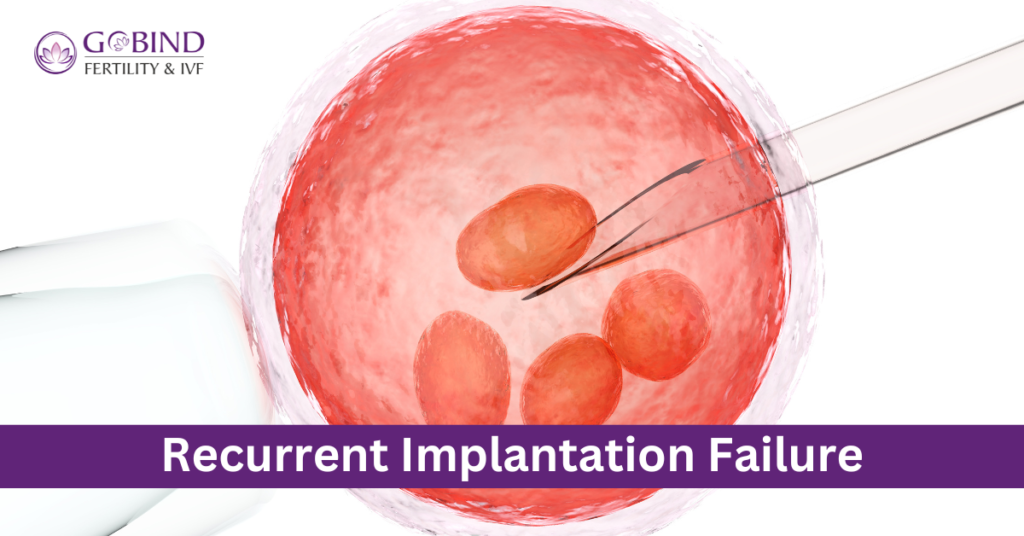
    Recurrent Implantation Failure (RIF) is a distressing condition for couples undergoing assisted reproductive techniques, particularly In vitro fertilization (IVF). It is defined as the failure to achieve a clinical pregnancy after multiple embryo transfers with high-quality embryos. This condition affects about 10% of women undergoing IVF and can have various underlying causes.

    In this article, we will explore the causes, diagnostic approaches, and treatment options for Recurrent Implantation Failure.

    Recurrent Implantation Failure (RIF) is typically diagnosed when a woman fails to achieve a pregnancy after at least three IVF cycles or the transfer of four or more good-quality embryos. Implantation involves the embryo, the uterine lining (endometrium), and maternal immune factors. Any disruption in these factors can lead to implantation failure.

    The causes of RIF can be classified into embryonic and maternal factors:

    • Chromosomal Abnormalities: Embryos with chromosomal abnormalities are less likely to implant successfully. Preimplantation Genetic Testing (PGT) can help detect such issues.
    • Poor Embryo Quality: Despite being visually graded as high quality, some embryos may have intrinsic defects that hinder implantation.
    • Sperm DNA Fragmentation: High levels of DNA fragmentation in sperm can affect embryo quality and implantation potential.
    • Endometrial Receptivity Issues: The endometrium must be receptive at the time of implantation. A displaced window of implantation or inadequate endometrial thickness (<7mm) can lead to failure.
    • Uterine Abnormalities: Conditions like fibroids, polyps, adhesions, or congenital uterine anomalies (such as a septate uterus) can interfere with implantation.
    • Chronic Endometritis: A persistent low-grade uterine lining infection can disrupt implantation.
    • Abnormal Immune Responses: Overactive natural killer (NK) cells or imbalanced cytokine levels can create a hostile environment for the embryo.
    • Autoimmune Disorders: Conditions like antiphospholipid syndrome (APS) can lead to implantation failure by increasing blood clotting tendencies.
    • Progesterone Deficiency: Progesterone is crucial for preparing the endometrium for implantation.
    • Thyroid Disorders: Hypothyroidism or thyroid autoimmunity can negatively impact implantation.
    • Polycystic Ovary Syndrome (PCOS): Insulin resistance and hormonal imbalances in PCOS can reduce implantation success.
    • Smoking and Alcohol: These habits can impair egg and sperm quality.
    • Obesity: Excess weight can alter hormonal balance and endometrial receptivity.
    • Stress: High levels of stress can impact fertility hormones and implantation.

    Diagnosing RIF involves a thorough evaluation of both partners. Common diagnostic approaches include:

    • Preimplantation Genetic Testing (PGT): To identify chromosomal abnormalities in embryos.
    • Endometrial Receptivity Analysis (ERA): Determines the optimal implantation window.
    • Hysteroscopy: Examines the uterine cavity for abnormalities.
    • 3D Ultrasound or MRI: Detects structural uterine issues.
    • Thrombophilia Screening: Identifies clotting disorders that may affect implantation.
    • Immune Testing: Evaluates natural killer cell activity and other immune markers.
    • Sperm DNA Fragmentation Test: Assesses sperm quality beyond standard semen analysis.

    The treatment of RIF depends on the underlying cause. Here are some potential approaches:

    • Use of Preimplantation Genetic Testing (PGT-A): Ensures only chromosomally normal embryos are transferred.
    • Blastocyst Transfer: Allows better selection of embryos with higher implantation potential.
    • Assisted Hatching: Helps embryos with a thick zona pellucida break out and implant successfully.
    • Endometrial Scratching: This may enhance endometrial receptivity in some cases.
    • Hormonal Therapy: Progesterone supplements, thyroid hormone correction, or estrogen therapy to optimize the uterine environment.
    • Treatment of Chronic Endometritis: Antibiotic therapy if an infection is detected.
    • Platelet-Rich Plasma (PRP) Therapy: Experimental treatment to improve endometrial thickness.
    • Intravenous Immunoglobulin (IVIG) or Intralipid Therapy: For women with immune-related implantation failure.
    • Steroids (Prednisone): Helps suppress overactive immune responses.
    • Low-Dose Aspirin or Heparin: Used for women with blood clotting disorders like APS.
    • Weight Management: Achieving a healthy BMI can improve implantation chances.
    • Diet and Nutrition: A balanced diet rich in antioxidants, omega-3 fatty acids, and vitamins (like folic acid and vitamin D) may enhance fertility.
    • Stress Reduction: Practice such as yoga, acupuncture, or counselling may help.
    • Frozen Embryo Transfer (FET): Allows synchronization between embryo development and endometrial readiness.
    • Use of Donor Eggs or Sperm: In cases of severe egg or sperm quality issues.
    • Surrogacy: Considered for women with uterine factor infertility.

    Recurrent Implantation Failure is a challenging condition that requires a personalized and multidisciplinary approach. With advances in reproductive medicine, many women with RIF can achieve successful pregnancies through targeted treatments. If you have experienced repeated implantation failures, consulting one of the best fertility specialists Dr Manju Khurana for a comprehensive evaluation and tailored treatment plan is essential.

    By addressing the root causes and optimizing embryo and endometrial conditions, the chances of a successful pregnancy can be significantly improved.

  • Hypothyroidism and Infertility: What Couples Need to Know
    Hypothyroidism and Infertility: What Couples Need to Know

    For many couples dreaming of starting a family, the journey to conception can be unexpectedly challenging. One often overlooked factor in fertility struggles is thyroid health, particularly hypothyroidism. 

    Let’s explore how Hypothyroidism can impact your fertility and what you can do about it.

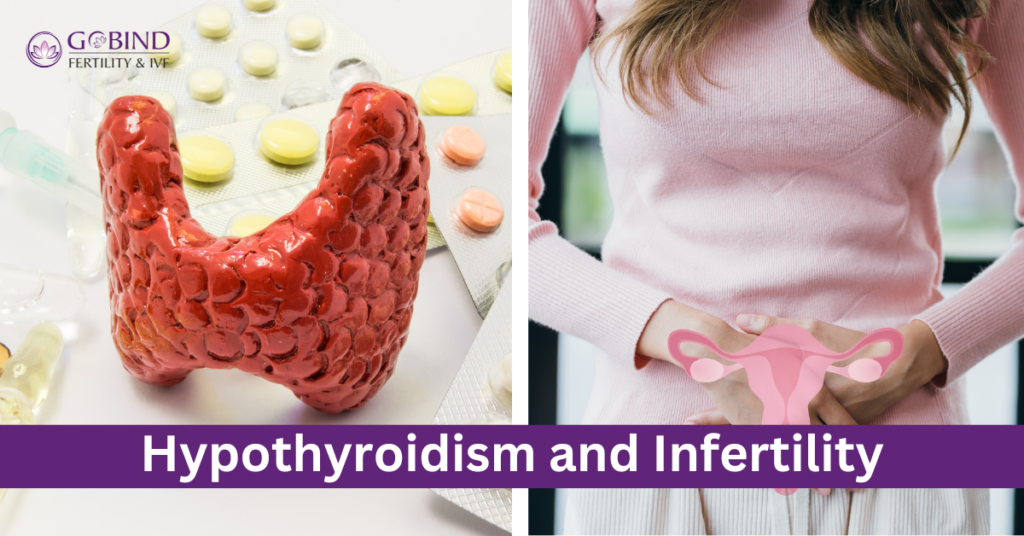
    Hypothyroidism, a condition characterized by an underactive thyroid gland that fails to produce sufficient thyroid hormones, has become an increasingly recognized factor in reproductive health. The thyroid hormones—thyroxine (T4) and triiodothyronine (T3)—play crucial roles in various bodily functions, including metabolism, energy production, and reproductive health.

    This article delves into the relationship between hypothyroidism and infertility, exploring the mechanisms involved, the effects on reproductive functions, and potential treatment options.

    Imagine your thyroid as the conductor of your body’s metabolic orchestra. When it’s not producing enough hormones – a condition known as hypothyroidism – it can throw your entire system out of tune, including your reproductive health.

    It can do the following

    Ovulation Disruption: Thyroid hormones play a crucial role in egg release. Low levels can lead to irregular or absent ovulation.

    Luteal Phase Defects: A short luteal phase can make it difficult for a fertilized egg to implant.

    Increased Prolactin: Hypothyroidism can elevate prolactin levels, interfering with regular ovulation.

    Sperm Health: Yes, men are affected too! Low thyroid function can impact sperm quality and motility.

    Women with hypothyroidism may face several challenges that can contribute to infertility:

    1. Menstrual Irregularities: Hypothyroidism can lead to irregular or absent menstrual cycles, making ovulation unpredictable. Anovulation (the absence of ovulation) is common, which significantly reduces the chances of conception.

    2. Hormonal Imbalances: The thyroid gland interacts with the pituitary gland, which produces hormones that regulate the menstrual cycle. An underactive thyroid can disrupt this balance, leading to altered levels of luteinizing hormone (LH) and follicle-stimulating hormone (FSH), both crucial for ovulation.

    3. Endometrial Receptivity: Thyroid hormones are important for the development of the endometrium (the uterine lining). Hypothyroidism can result in a thinner endometrial lining, reducing the likelihood of successful implantation of a fertilized egg

    4. Increased Risk of Miscarriage: Women with untreated hypothyroidism may have a higher risk of miscarriage. The imbalance of hormones can affect pregnancy maintenance in the early stages.

    5. Impaired Sexual Function: Hypothyroidism can also lead to decreased libido and sexual dysfunction, further complicating the journey to conception.

    Hypothyroidism can be sneaky, with symptoms often mistaken for stress or other conditions. Keep an eye out for:

    • Unexplained weight gain
    • Fatigue
    • Hair loss
    • Cold sensitivity
    • Irregular periods

    If you’re struggling to conceive and suspect thyroid issues, don’t lose hope! Modern medicine offers effective solutions.

    A simple blood test can measure your thyroid-stimulating hormone (TSH) levels. Your doctor may also check for thyroid antibodies and other hormones if needed.

    Levothyroxine, a synthetic thyroid hormone, is the most common treatment. It’s safe, effective, and can dramatically improve your fertility odds.

    While medication is crucial, lifestyle changes can also boost your fertility:

    • Nutrition: Iodine-rich foods like seaweed and Brazil nuts support thyroid function.
    • Stress Management: Try yoga or meditation to reduce stress, which can exacerbate thyroid issues.
    • Exercise: Regular, moderate exercise can help regulate hormones.

    Once you conceive, proper thyroid management remains crucial. Hypothyroidism during pregnancy can increase risks of miscarriage, preterm birth, and developmental issues.

    The path to parenthood with hypothyroidism can be emotionally challenging. Remember:

    1. You’re Not Alone: Join support groups or online forums to connect with others facing similar challenges.
    2. Stay Informed: Knowledge is power. Keep learning about your condition.
    3. Communicate: Be open with your partner about your feelings and concerns.
    4. Seek Professional Help

    If You are someone who is suffering from Hypothyroidism and is unable to conceive, it is recommended to meet one of the best fertility specialists in Hisar Dr Manju Khurana for consultation.

  • A Comprehensive Guide on When to Visit a Fertility Specialist
    A Comprehensive Guide on When to Visit a Fertility Specialist

    When to Visit a Fertility Specialist | Gobind Fertility & IVF Center in Hisar

    Navigating the journey to parenthood can be a deeply personal and sometimes challenging experience. The path to conception is straightforward for many couples, but for others, it may require professional assistance. Knowing when to visit a fertility specialist is crucial for optimizing your chances of achieving a successful pregnancy. This article guides on the right time to consult a fertility specialist and what to expect from the process.

    Before delving into when to visit a fertility specialist, it’s important to understand what is considered normal when trying to conceive.

    • General Timeline: For most couples, the average time to conceive is within 6 to 12 months of regular, unprotected intercourse. This timeframe may vary based on age and health factors.
    • Age Considerations: Fertility naturally declines with age, especially for women. Women over 35 are advised to seek professional advice after 6 months of trying, while women under 35 can generally wait up to 12 months before consulting a specialist.

    Several indicators suggest it may be time to consult a fertility specialist.

    Here’s a breakdown of key signs:

    • For Women: If you’re under 35 and haven’t conceived after a year of regular, unprotected sex, it’s a good idea to seek help. For those over 35, consider seeing a specialist after 6 months.
    • For Men: If there are concerns about sperm quality, such as low libido or issues with ejaculation, a fertility specialist can provide an evaluation.
    • Women with irregular or absent menstrual cycles may have underlying conditions such as polycystic ovary syndrome (PCOS) or thyroid issues, which can affect fertility. A fertility specialist can help diagnose and treat these conditions.
    • Experiencing recurrent miscarriages (typically defined as three or more) warrants a consultation with a fertility specialist. They can perform tests to identify potential causes and recommend treatments to improve the chances of a successful pregnancy.
    • Conditions like endometriosis, uterine fibroids, or chronic illnesses such as diabetes can impact fertility. Consulting a specialist can help manage these conditions in the context of conception.
    • Women over 40 or men with concerns about age-related fertility decline should seek early consultation with a specialist. Fertility treatments and interventions may be more effective with early planning.
    • If you or your partner have known genetic conditions or hormonal imbalances, a fertility specialist can offer testing and treatment options to address these issues.
    • If you’ve undergone previous unsuccessful fertility treatments, it might be time to consult a specialist for a second opinion or to explore advanced treatment options.

    When you decide to see a fertility specialist, here’s what you can expect:

    • The first visit typically involves a thorough review of your medical history, lifestyle factors, and fertility concerns. Both partners may be asked to provide information to identify any potential issues.
    • The specialist may recommend a series of tests to evaluate fertility. This might include blood tests, hormone level assessments, ultrasound scans, semen analysis for men, and possibly more specialized tests depending on individual circumstances.
    • Based on the results, the specialist will discuss possible treatment options. These may range from lifestyle changes and medication to more advanced interventions such as in vitro fertilization (IVF) or intrauterine insemination (IUI).
    • A fertility specialist will work with you to create a personalized treatment plan that aligns with your goals, health, and circumstances. They will also provide guidance on the next steps and what to expect throughout the process.
    • Navigating fertility issues can be emotionally challenging. Many fertility clinics offer counselling and support services to help individuals and couples cope with the stress and emotional aspects of the journey.

    Deciding to visit a fertility specialist is a significant step, and knowing when to seek help can make a difference in your journey to parenthood. If you find yourself facing prolonged difficulties in conceiving, experiencing reproductive health issues, or have concerns about your fertility, Dr. Manju Khurana (Senior IVF Specialist ) at Gobind Fertility & IVF Center in Hisar can provide valuable insights and treatment options.

    Remember, seeking professional help early can often lead to better outcomes and provide you with the support and resources needed to achieve your fertility goals.

    ..

  • Understanding TESE: What Is It and What Are Its Success Rates?
    Understanding TESE: What Is It and What Are Its Success Rates?