
Tag: Best Fertility Specialist in Hisar

  • Endometriosis and Fertility: Can You Get Pregnant?
    Endometriosis and Fertility: Can You Get Pregnant?

    Endometriosis is a common yet often misunderstood condition that affects millions of women worldwide. One of the biggest concerns for women with endometriosis is fertility—can you still get pregnant? The answer isn’t straightforward, but with the right medical guidance and treatments, many women with endometriosis can conceive.  

    At Gobind Fertility & IVF Centre, we specialise in helping women with endometriosis achieve their dream of parenthood. In this article, we’ll explore the relationship between endometriosis and fertility, treatment options, and how assisted reproductive technologies like IVF can help.  

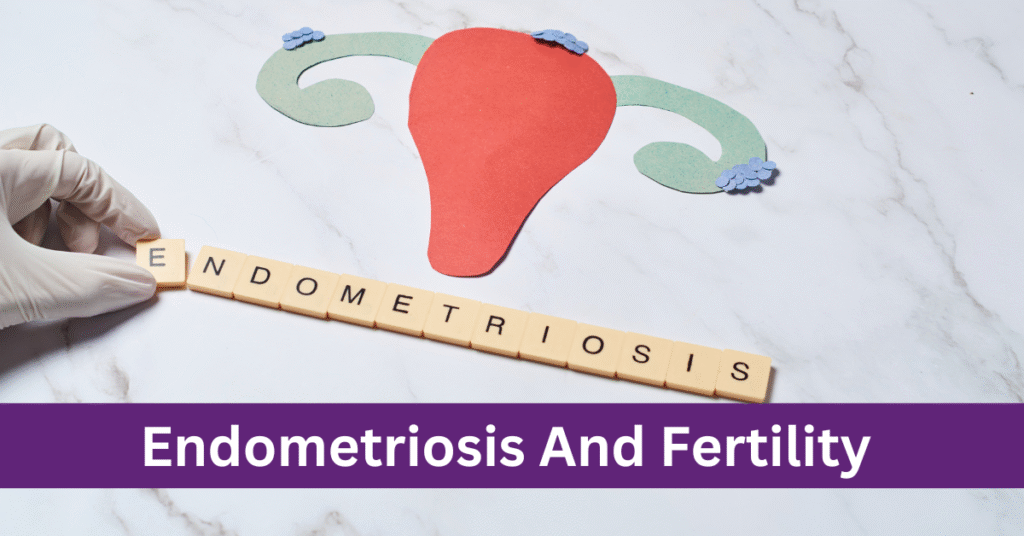
    Endometriosis occurs when tissue similar to the uterine lining (endometrium) grows outside the uterus, often on the ovaries, fallopian tubes, and pelvic lining. This tissue behaves like normal endometrial tissue—thickening, breaking down, and bleeding with each menstrual cycle—but because it has no way to exit the body, it causes inflammation, scarring, and pain.  

    1. Scarring and Adhesions – Endometriosis can cause scar tissue (adhesions) that may distort pelvic anatomy, blocking fallopian tubes or preventing the ovaries from releasing eggs properly.  

    2. Ovarian Cysts (Endometriomas) – Endometriomas, or “chocolate cysts,” can damage ovarian tissue, reducing egg quality and quantity.  

    3. Inflammation – Chronic inflammation in the pelvic cavity can create a hostile environment for eggs, sperm, and embryos.  

    4. Hormonal Imbalances– Endometriosis may interfere with ovulation and hormone regulation, making conception more difficult.  

    Despite these challenges, many women with endometriosis can still conceive, especially with early intervention and specialized fertility treatments.  

    Yes, some women with mild endometriosis can conceive naturally. However, moderate to severe endometriosis often requires medical assistance. Factors that influence natural conception include:  

    -Stage of Endometriosis (Minimal vs. Severe)  

    Age and Ovarian Reserve  

    Presence of Blocked Fallopian Tubes 

    Overall Reproductive Health 

    If you’ve been trying to conceive for 6-12 months without success, it’s advisable to consult a fertility specialist like those at Gobind Fertility & IVF Centre for a personalised evaluation.  

    A minimally invasive procedure to remove endometrial implants, scar tissue, and cysts can improve fertility. Studies show that **women with moderate endometriosis have higher pregnancy rates after surgery

    For mild endometriosis, fertility medications (like Clomid or Letrozole) combined with IUI can enhance conception chances by ensuring proper ovulation and sperm delivery.  

    IVF is the most effective treatment for women with severe endometriosis. It bypasses fallopian tube issues and allows for embryo selection before implantation. At Gobind Fertility & IVF Centre, our success rates with IVF for endometriosis patients are highly encouraging.  

    Women diagnosed with endometriosis at a young age may consider egg freezing to preserve fertility before the condition progresses.  

    Natural Conception: Possible in mild cases.  

    After Surgery: 30-50% success rate within a year.  

    IVF Success Rates: Vary but can be 40-60% per cycle, depending on age and ovarian reserve.  

    At Gobind Fertility & IVF Centre, we tailor treatment plans to maximise success, utilising advanced techniques such as blastocyst culture, PGT (Preimplantation Genetic Testing), and personalised hormone protocols.  

    1. Early Diagnosis & Treatment– The sooner endometriosis is managed, the better the fertility outcomes.  

    2. Healthy Lifestyle– Maintain a balanced diet, exercise, and reduce stress.  

    3. Consult a Specialist – A fertility doctor can recommend the best approach based on your condition.  

    Expertise in Endometriosis & Fertility – Our specialists have extensive experience in treating endometriosis-related infertility.  

    Advanced IVF Technology– We use cutting-edge techniques to improve pregnancy success.  

    Personalised Care– Every patient receives a customised treatment plan.  

    High Success Rates– Proven results in helping women with endometriosis conceive.  

    While endometriosis can make conception challenging, pregnancy is possible with the right medical support. If you’re struggling with infertility due to endometriosis, schedule a consultation at Gobind Fertility & IVF Centre to explore your options.  

    Don’t let endometriosis stop your dreams of motherhood—take the first step today!  

  • Tips to Improve Sperm Count in Males

    Tips to Improve Sperm Count in Males

    Tips to Improve Sperm count
    Tips to Improve Sperm count

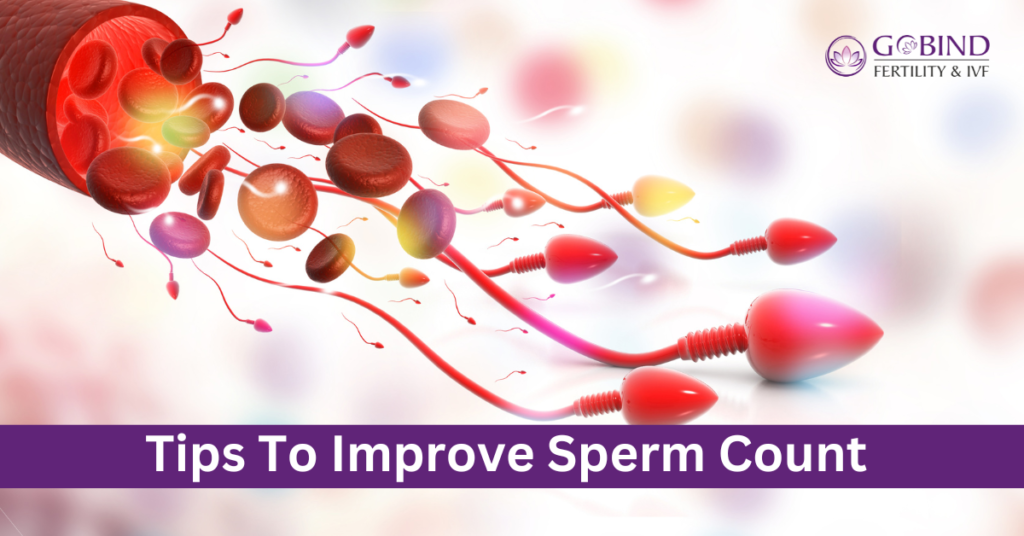
    Low sperm count, also known as oligospermia, can significantly impact male fertility and make it more challenging to conceive. Fortunately, various lifestyle changes and health practices can help improve sperm count and overall reproductive health. This article offers a comprehensive guide with practical tips to boost sperm count in males.

    Sperm count refers to the number of sperm in a man’s semen. A normal sperm count ranges from 15 million to over 200 million sperm per millilitre of semen. Age, health conditions, lifestyle choices, and environmental factors influence sperm count.

    • Why It Matters: Obesity is linked to hormonal imbalances that can negatively affect sperm production.
    • How to Improve: Aim for a balanced diet rich in fruits, vegetables, whole grains, and lean proteins. Regular physical activity can help maintain a healthy weight.
    • Nutrients to Focus On:
      • Zinc: Found in meat, shellfish, legumes, and nuts, zinc is crucial for testosterone production and sperm health.
      • Folic Acid: Present in leafy greens, beans, and fortified cereals, folic acid is essential for healthy sperm formation.
      • Omega-3 Fatty Acids: Found in fish, walnuts, and flaxseeds, these fats support hormone production and improve sperm motility.
    • Why It Matters: Proper hydration is essential for maintaining optimal body functions, including sperm production.
    • How to Improve: Aim for at least 8-10 glasses of water daily. Limit dehydrating beverages like alcohol and caffeine.
    • Why It Matters: Regular physical activity can help boost testosterone levels and improve overall health.
    • How to Improve: Aim for at least 30 minutes of moderate exercise most days of the week. Activities such as running, swimming, or cycling can be beneficial.
    • Why It Matters: Chronic stress can lead to hormonal imbalances that negatively impact sperm production.
    • How to Improve: Practice stress-reducing techniques such as meditation, yoga, deep breathing exercises, or spending time in nature.
    • Why It Matters: Sleep is crucial for hormonal regulation, including testosterone levels.
    • How to Improve: Aim for 7-9 hours of quality sleep each night. Establish a regular sleep schedule and create a relaxing bedtime routine.
    • Why It Matters: Smoking and recreational drugs can significantly lower sperm count and impair fertility.
    • How to Improve: Seek support to quit smoking or reduce substance use. Consider counselling or support groups for assistance. At Gobind Fertility Centre in Hisar, you will get expert guidance and counselling sessions.
    • Why It Matters: Excessive alcohol intake can disrupt hormonal balance and lower testosterone levels.
    • How to Improve: If you drink alcohol, limit intake to moderate levels—up to one drink per day for men.
    • Why It Matters: Exposure to toxins and chemicals can negatively affect sperm quality.
    • How to Improve:
      • Avoid pesticides, heavy metals, and industrial chemicals whenever possible.
      • Use natural cleaning products and personal care items free from harmful chemicals.
    • Why It Matters: Sexually transmitted infections (STIs) can affect fertility and sperm health.
    • How to Improve: Use protection during sexual activity and get regular STI screenings. Promptly treat any infections.
    • Why It Matters: Excessive heat can damage sperm production. The testicles are sensitive to temperature, and high temperatures can lower sperm count.
    • How to Improve:
      • Avoid hot baths, saunas, and tight-fitting underwear. Opt for loose-fitting clothing to keep the genital area cool.
      • When working long hours at a desk, consider taking breaks to improve circulation.
    • Why It Matters: Certain supplements may support sperm health.
    • How to Improve: Consult a healthcare provider before starting any supplements. Some beneficial nutrients include:
      • Coenzyme Q10: May improve sperm motility.
      • Vitamin C: An antioxidant that can enhance sperm quality.
      • L-Carnitine: May help improve sperm motility.
    • Why It Matters: Underlying health issues, such as diabetes or hormonal imbalances, can affect sperm count.
    • How to Improve: Schedule regular checkups with a healthcare provider to monitor overall health and address any concerns. You can meet Dr Manju Khurana, one of the best fertility specialists in Hisar for regular checkups.
    • Why It Matters: Prolonged cycling can lead to pressure on the testicles and impact sperm production.
    • How to Improve: If you cycle frequently, consider using padded shorts and taking regular breaks.

    Improving sperm count is a multifaceted approach that involves lifestyle changes, dietary adjustments, and health management. By implementing these tips, men can enhance their fertility and overall reproductive health. It’s essential to consult with a healthcare professional or the Top fertility specialist nearby for personalized advice and potential treatments if experiencing fertility issues. Taking proactive steps can lead to positive changes and improve the chances of conception.

  • Infertility Vs Sterility: A Comparative Overview
    Infertility Vs Sterility: A Comparative Overview

    Infertility Vs Sterility

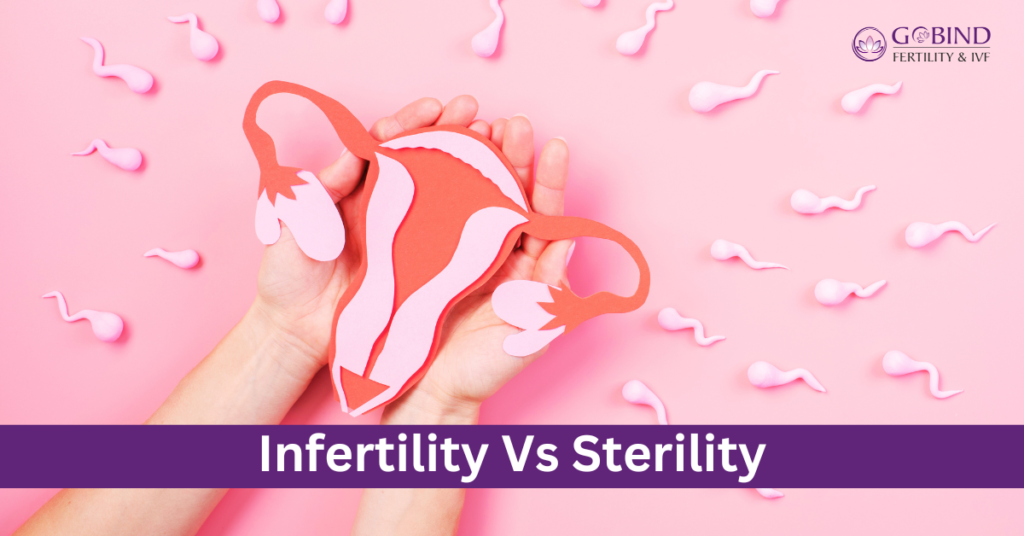
    Infertility and sterility are often used interchangeably, but they are distinct medical conditions. Understanding the differences between these two terms is crucial for individuals experiencing reproductive challenges and for healthcare professionals providing guidance.

    Infertility is the inability to conceive and carry a pregnancy to term after a year of unprotected sexual intercourse. It can affect both men and women and can be caused by various factors.

    • Ovulation issues: Irregular or absent ovulation can prevent fertilization.
    • Fallopian tube problems: Blockages or damage to the fallopian tubes can hinder the movement of sperm and eggs.
    • Endometriosis: A condition where tissue similar to the uterine lining grows outside the uterus can affect fertility. This extra tissue can attach to other organs, such as the ovaries, fallopian tubes, and even the bladder or intestines.
    • Uterine abnormalities: Uterine abnormalities are structural deviations from the normal shape or size of the uterus. These abnormalities can affect fertility, pregnancy outcomes, and menstrual health.
    • Male infertility: Factors such as low sperm count, poor sperm quality, or erectile dysfunction can contribute to infertility.
    • Hormonal imbalances: Hormonal imbalances can disrupt the reproductive process.
    • Chronic health conditions: Certain medical conditions, such as diabetes, thyroid disorders, and autoimmune diseases, can impact fertility.

    Sterility, on the other hand, is the complete inability to reproduce. It is often a permanent condition and is typically caused by underlying medical issues or surgical procedures that render an individual incapable of conceiving or carrying a pregnancy.

    • Surgical procedures: Hysterectomy (removal of the uterus), tubal ligation (tying of the fallopian tubes), or vasectomy (surgical sterilization of the vas deferens) can render an individual sterile.
    • Severe reproductive organ damage: Damage to the reproductive organs due to infections, trauma, or congenital abnormalities can lead to sterility.
    • Genetic factors: In some cases, genetic conditions can cause sterility.
    • Radiation or chemotherapy: Exposure to radiation or chemotherapy can damage reproductive tissues and lead to sterility.
    FeatureInfertilitySterility
    DefinitionInability to conceive and carry a pregnancy after a year of unprotected sex.Complete inability to reproduce.
    ReversibilityOften reversible with medical interventions or treatments.Typically irreversible.
    CausesVarious factors, including ovulation issues, fallopian tube problems, endometriosis, uterine abnormalities, male infertility, hormonal imbalances, and chronic health conditions.Surgical procedures, severe reproductive organ damage, genetic factors, and radiation or chemotherapy.
    1. In Vitro Fertilization (IVF)
      • This involves retrieving eggs, fertilizing them with sperm in a laboratory, and transferring the embryos into the uterus.
      • It can be effective for couples with male infertility, female infertility, or unexplained infertility.
    2. Intracytoplasmic Sperm Injection (ICSI)
      • A specialized technique is used when sperm quality is poor. A single sperm is injected directly into an egg.
      • This can be combined with IVF for couples facing severe male infertility.
    3. Donor Sperm or Eggs
      • For couples where one partner has a complete absence of reproductive cells, using donor sperm or eggs can be an option.
      • This involves a rigorous screening process for donors.
    4. Surrogacy
      • For couples who cannot carry a pregnancy, a surrogate can carry a baby for them.
      • This involves legal and ethical considerations.
    5. Experimental Treatments
      • Ongoing research is exploring new techniques, such as stem cell therapy and genetic engineering, to address certain cases of sterility. However, these are still in the experimental stages and may not be widely available.
    • Success Rates: The success rates of these treatments vary depending on individual factors, such as age, underlying causes of sterility, and the specific treatment chosen.
    • Emotional Impact: Dealing with sterility can be emotionally challenging. Seeking support from fertility specialists, support groups, or mental health professionals can be beneficial.
    • Financial Factors: Fertility treatments can be expensive. Considering the costs involved and exploring insurance coverage or financial assistance options is essential.

    While infertility and sterility can be distressing, it’s important to understand the distinctions between them. Infertility may be temporary and treatable, while sterility is often permanent. It’s crucial to consult with a fertility specialist Dr. Manju Khurana, one of the best fertility specialist in Hisar to discuss your specific situation, understand the available options, and make informed treatment decisions.