



Blog
Is IVF Painful? What to Expect During IVF Treatment
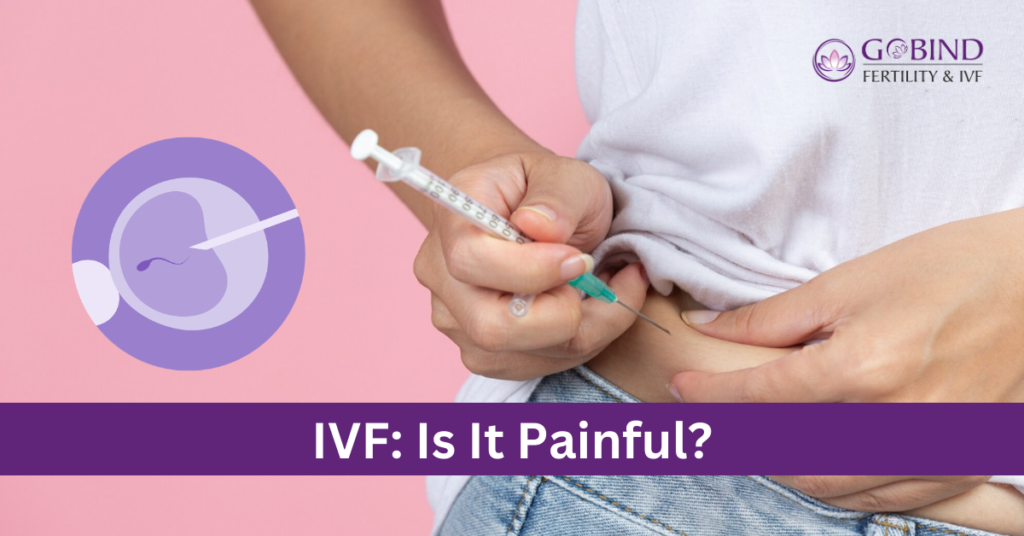
One of the most common questions couples ask before starting fertility treatment is: Is IVF painful? It’s completely natural to feel anxious about injections, procedures, and medical interventions—especially when it involves something as important as starting a family. The truth is, IVF treatment is generally not painful, though certain steps may cause mild discomfort. With…
Read MoreIVF Success Rate in India by Age: What Couples Should Know
Infertility is a growing concern for many couples, but modern fertility treatments like IVF (In Vitro Fertilization) have made it possible for thousands to achieve parenthood. One of the most common questions couples ask before starting treatment is: What is the IVF success rate in India, and how does age affect IVF success? At Gobind…
Read MoreIVF Treatment Cost in India
Infertility is becoming increasingly common among couples today, but medical advancements such as IVF treatment (In Vitro Fertilization) have made parenthood possible for many families. At Gobind Fertility & IVF Centre, one of the most common questions couples ask is: What is the IVF treatment cost in India, and what factors affect it? Understanding the…
Read MoreIVF Process Step by Step Day Wise: A Complete Guide for Couples
Infertility affects many couples today, but modern fertility treatment options like IVF (In Vitro Fertilization) have made parenthood possible for thousands of families. One of the most common questions patients ask at Gobind Fertility & IVF Centre is: “What is the IVF process step by step, and how many days does it take?” Understanding the…
Read MoreWhy Is the TVS Test Done? Common Reasons and Uses
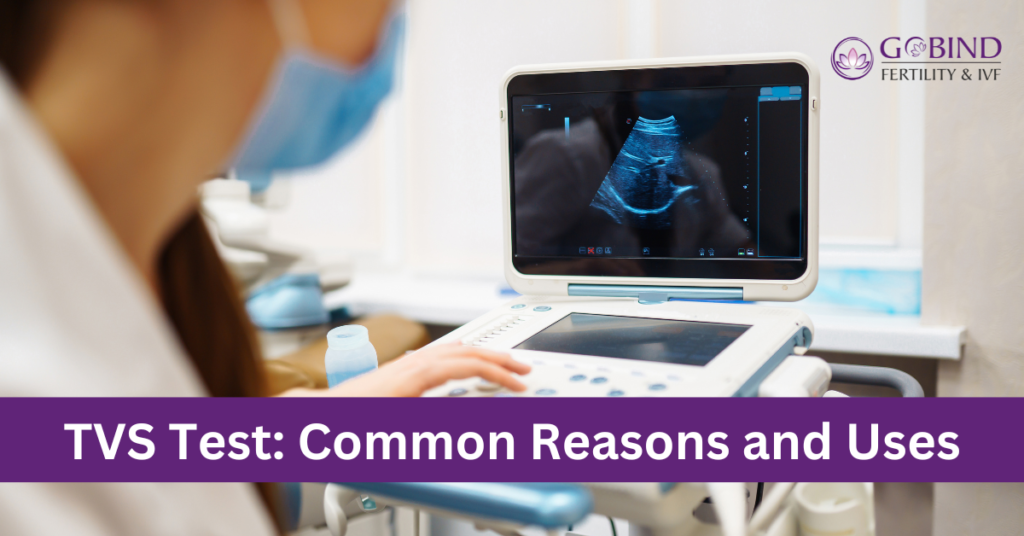
Expert Insights by Dr. Manju Khurana – Gobind Fertility & IVF Centre A TVS test, also known as Transvaginal Sonography, is one of the most important diagnostic tools in gynecology and fertility care. It provides clear and detailed images of the female reproductive organs, helping doctors diagnose a wide range of conditions related to menstrual…
Read MoreThe Link Between Gut Health and Fertility: What You Should Know
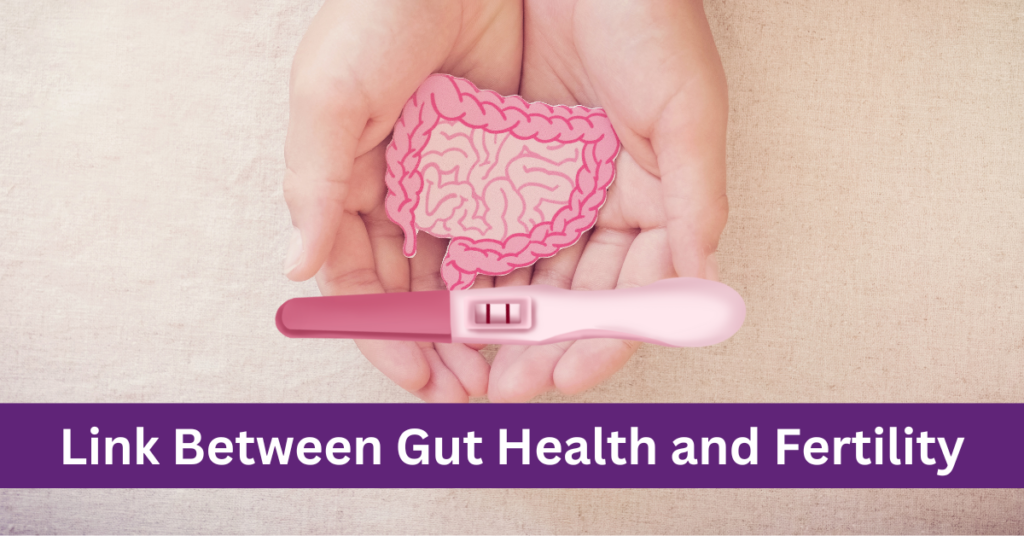
When most people think about fertility, they focus on hormones, ovulation, or reproductive organs. However, emerging research shows that your gut health plays a surprisingly powerful role in fertility for both men and women. At Gobind Fertility & IVF Centre, infertility specialists emphasise the importance of a healthy gut microbiome as part of a holistic…
Read MoreStress-Free Living: Can It Improve Your Chances of Pregnancy?

Becoming a parent is one of life’s most cherished dreams. For couples who are trying to conceive naturally or through fertility treatments, the journey can sometimes feel overwhelming. While medical factors often play a role, many people don’t realise that stress can directly impact fertility. At Gobind Fertility & IVF Centre, we emphasise not just…
Read MoreGetting Pregnant After 35: 10 Expert-Backed Tips to Boost Fertility

For many women, their mid-30s bring new priorities, stability, and the right time to start or expand a family. However, conceiving after 35 can sometimes be more challenging due to age-related fertility decline. While it’s true that egg quantity and quality decrease with age, modern medical advancements and lifestyle strategies can significantly improve your chances…
Read MoreFertility After Tubal Ligation Reversal: What Are the Options?
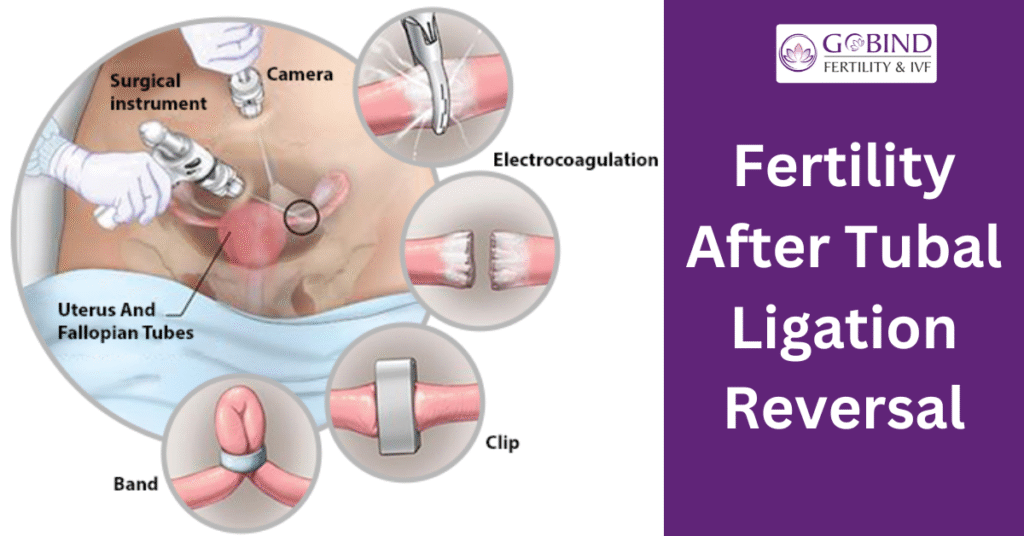
Tubal ligation—often referred to as “getting your tubes tied”—is a permanent form of birth control chosen by many women who are certain they no longer want children. However, life circumstances, personal decisions, and family goals can change over time. For women who regret their earlier decision and wish to conceive again, the good news is…
Read MorePainful Periods and Infertility: Understanding the Connection
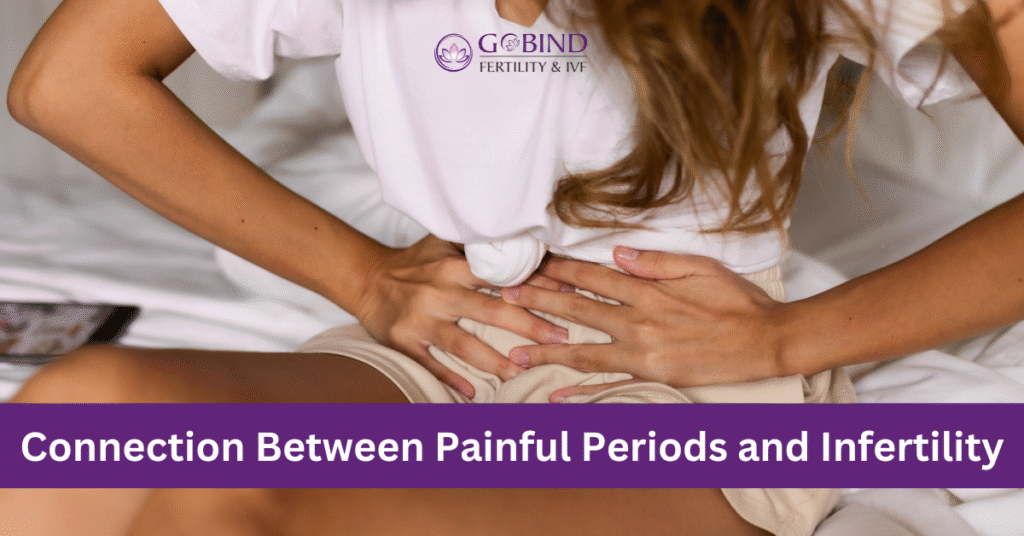
Menstrual pain, also known as dysmenorrhea, is a common experience for many women. However, when period pain becomes chronic, intense, or debilitating, it may signal an underlying condition that could impact fertility. Understanding the link between painful periods and infertility is crucial for women trying to conceive. At Gobind Fertility & IVF Centre, we specialise…
Read More